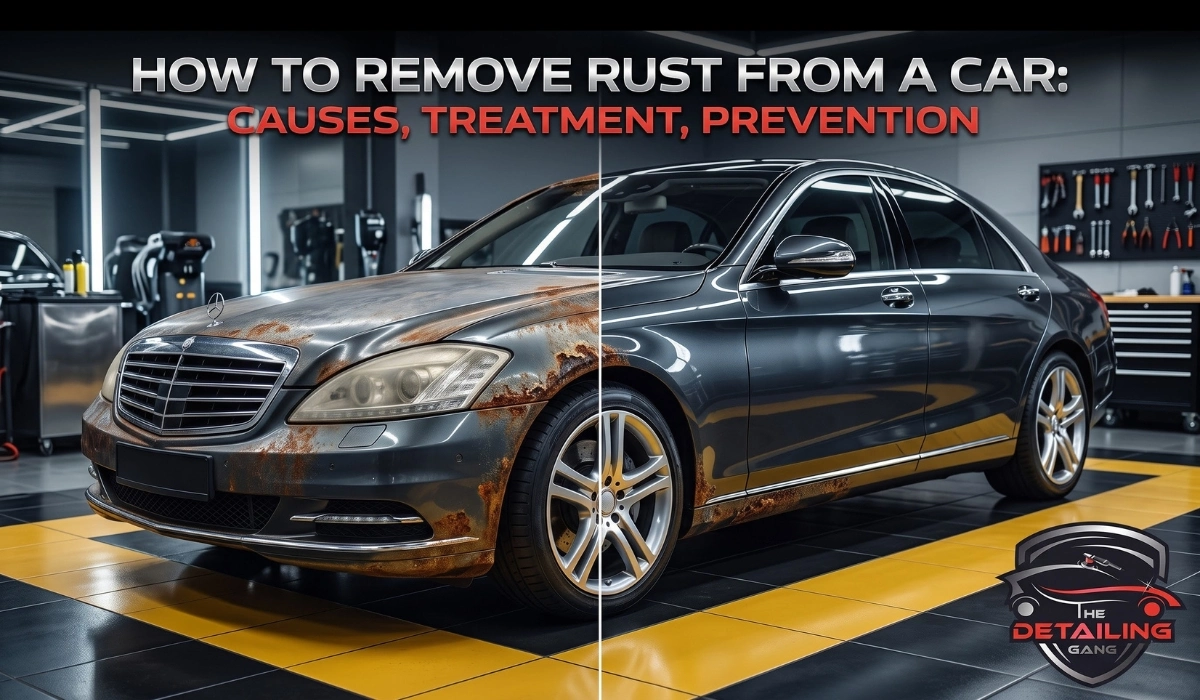
How to Remove Rust from a Car: Causes, Treatment, Prevention
✏ A D Nath | 🔖 Car Care
Seeing a small orange or brown spot on your car can be worrying, especially if you have recently bought a new car. At first, rust may look like nothing more than a paint problem. But if you leave it untreated, corrosion can move deeper into the metal and turn a small repair into an expensive bodywork job. The good news is that early rust is usually easier to manage. The key is to identify the type of rust you have before trying to remove it.
Rust forms when iron or steel reacts with oxygen and moisture. Rain, humidity, waterlogging, road dirt, salt, scratches, and stone chips can all create conditions that allow corrosion to develop. Cars used in coastal regions, areas with heavy rain, or places where water and dirt remain trapped around the body can face a higher risk.
If you are wondering how to remove rust from a car, this guide explains what causes it, how to spot the early signs, which rust you can treat yourself, when professional repair is necessary, and how to prevent it from returning.
What Causes Rust on a Car?
Rust is not created by water alone. It develops when exposed metal comes into contact with moisture and oxygen over time. Your car's paint, primer, and other protective layers normally separate the metal from the environment. When that protection gets damaged, moisture can reach the metal underneath.
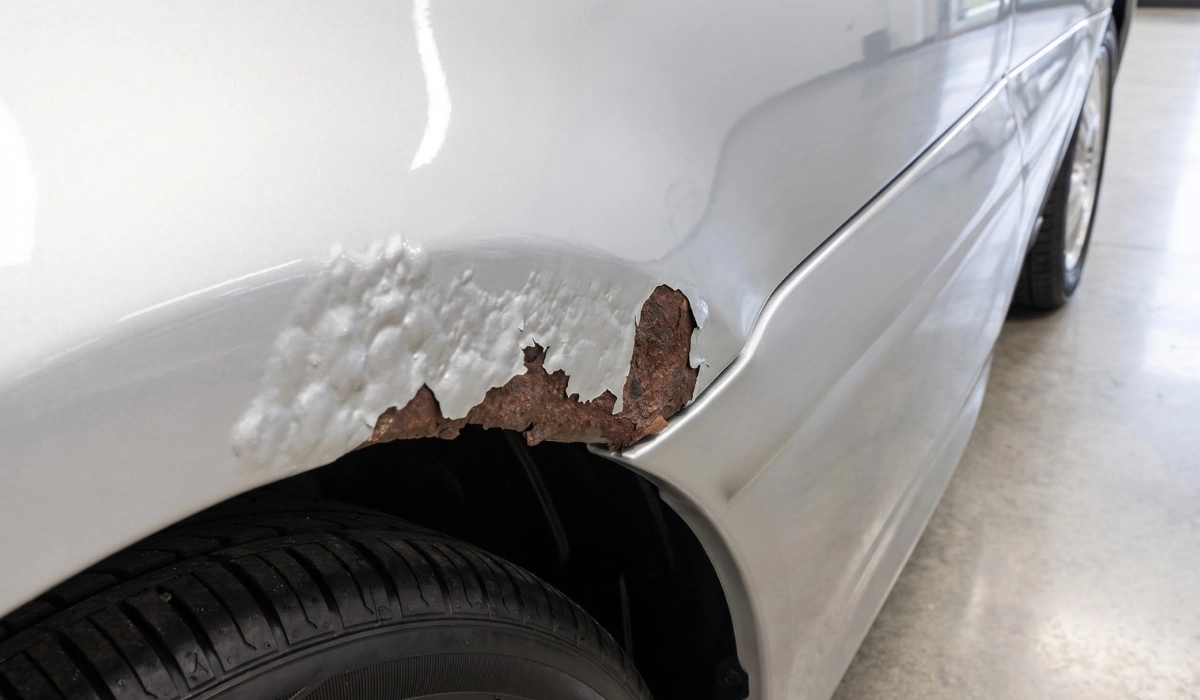
Common causes include:
Scratches and stone chips:
- A scratch that reaches the metal can become an entry point for moisture. Small stone chips on the bonnet, front bumper, doors and wheel arches can create similar problems.
- This is one reason why paint damage should not be treated as purely cosmetic.
Rain and humidity
- Frequent exposure to moisture increases the opportunity for corrosion to develop. Water can remain trapped around seams, door edges, wheel arches and underbody components.
Mud and road dirt
- Mud does more than make your car dirty. It can hold moisture against metal surfaces for longer periods. The underbody and wheel wells are particularly exposed.
Waterlogging
- Driving through waterlogged roads can leave moisture and dirt in areas that are difficult to clean. If you regularly drive through heavy rain or flooded roads, inspect the underbody and lower body panels afterwards.
Coastal air
- Salt in coastal environments can accelerate corrosion. If you live near the sea, regular washing and inspection become even more important.
Damaged seals and water leaks
- Rust can also begin in places you cannot immediately see. A leaking windscreen, door seal, boot seal or another water entry point can keep the metal underneath damp.
- Wet carpets or a damp smell inside the car should therefore not be ignored.
Does a New Car Rust?
A new car is not automatically immune to rust. Modern cars use several protective measures, and many vehicles have good corrosion resistance. However, paint damage, manufacturing or repair defects, trapped moisture, harsh environmental conditions, and poor maintenance can still create opportunities for corrosion.
There is also no fixed age at which every car starts developing rust. The condition of the vehicle and the environment matter more than simply counting the years. RAC also notes that there is no set age when cars begin to rust.
If you own a new car, do not wait until you see serious rust before checking the paint and underbody.
Where Does Rust Usually Appear on a Car?
Some areas deserve more attention because they regularly come into contact with water, dirt, and road debris.
Check these areas during your regular inspection:
- Boot floor
- Door seams
- Boot edges
- Underbody
- Frame rails
- Wheel arches
- Bonnet edges
- Spare wheel area
- Lower door edges
- Exhaust components
- Suspension components
- Places with scratches and stone chips
- Areas around window and windscreen seals
The underbody deserves particular attention because it is exposed to water, mud, and road debris while you drive. Rust can also start inside a panel and eventually become visible on the outside. That means the rust spot you can see may not represent the full extent of the corrosion.
Read More:
How to Tell If Your Car Has Rust?
Early identification can make a major difference.
Look for these warning signs.
Orange or brown spots
- Small reddish-brown spots on exposed metal can be an early sign of surface corrosion.
Bubbling paint
- Paint bubbling is one of the most important warning signs. Moisture and corrosion can develop underneath the paint, pushing the surface upward.
- Do not simply sand the bubble lightly and paint over it without finding out what caused it.
Flaking paint
- Paint that is lifting or falling away can expose the metal underneath.
Rough or raised areas
- A panel that was previously smooth but has developed a rough or raised section deserves closer inspection.
Water inside the car
- Wet carpets, damp boot areas or moisture around door and windscreen seals can indicate a leak that may eventually cause hidden corrosion.
Rust around scratches or dents
- A scratch or dent that exposes metal should be repaired before corrosion gets established.
The 3 Stages of Car Rust
Not all rust requires the same repair.
1. Surface rust
- Surface rust affects the outer layer of the metal. It often appears as small orange or brown patches.
- This is the easiest stage to deal with, provided the metal has not been seriously damaged.
2. Scale rust
- Scale rust develops when surface corrosion is left untreated. The metal can become rough, flaky, and uneven.
- At this stage, simply applying touch-up paint is not enough. You need to remove the corrosion and properly prepare the surface.
3. Penetrating rust
- Penetrating rust is the most serious stage. Corrosion has eaten into the metal and may create holes or weaken the panel.
- If the affected area is structural or the metal has become significantly damaged, professional repair is necessary. In some cases, the damaged section or entire panel may need replacement.
How to Remove Rust from a Car?
The correct rust removal method depends on the severity of the corrosion. For a small surface-rust spot on a non-structural body panel, you can consider a basic repair.
Step 1: Wash the affected area
- Start by cleaning the area with a proper car shampoo and water.
- Remove dirt, mud, and other contaminants before touching the damaged surface.
- Dry the area completely.
Step 2: Inspect the damage
- Look closely at the rust.
- If it is only a small surface patch, you may be able to continue with a minor repair.
- If the paint is bubbling over a large area, the metal is flaking badly or you can see a hole, stop and get professional help.
Step 3: Remove loose rust
- Use appropriate abrasive material, such as suitable sandpaper or a wire brush, to remove loose corrosion.
- The objective is to reach a stable surface rather than simply making the orange colour disappear.
- For larger repairs, professional technicians may use power tools and different grades of abrasive material. RAC notes that proper rust repair can involve sanding, filling, primer, paint and clear coat rather than simply covering the corrosion.
Step 4: Use a suitable rust treatment
- Depending on the product and condition of the metal, a rust remover or rust converter may be appropriate.
- A rust remover is designed to help remove corrosion. A rust converter works differently by chemically changing remaining rust into a more stable surface.
- Always follow the product instructions and make sure it is suitable for automotive use.
Step 5: Apply automotive primer
- Once the surface has been properly prepared, apply a suitable primer to the exposed metal.
- Primer helps create the correct base for the paint and provides another layer between the metal and the environment.
Step 6: Apply matching paint
- Use a suitable automotive touch-up paint that matches your vehicle's colour.
- Apply thin coats and allow each coat to dry according to the product instructions.
Step 7: Apply clear coat
- A suitable clear coat can help protect the repaired area and improve the finish.
- Do not rush the drying or curing process.
Can You Remove Rust from a Car at Home?
Yes, but only when the corrosion is minor and easy to access. A small surface-rust spot on a body panel may be suitable for a careful DIY repair.
However, professional help is the safer choice when:
- Rust has created a hole
- Metal has become thin or weak
- Rust is spreading under the paint
- A large section of a panel is affected
- Rust is present on structural components
- The underbody has serious corrosion
- You cannot determine how deep the rust goes
- The affected area requires welding or panel replacement
The mistake many car owners make is treating advanced corrosion like a paint problem. If the metal is already badly damaged, paint can hide the problem without actually fixing it.
How Do You Know If Rust Needs Professional Repair?
Here is a simple way to judge the situation.
- Small orange spot with solid metal: Early-stage problem. Professional inspection is optional if you are confident with minor repair work.
- Small rust patch with rough metal: Needs proper rust removal and surface preparation.
- Bubbling paint around a large area: Get the panel inspected because corrosion may have spread underneath.
- Flaking metal: Professional repair is recommended.
- Hole in the panel: Do not treat it as a simple touch-up job.
- Rust on structural parts: Get professional inspection immediately.
The sooner you address the problem, the more repair options you usually have.
Can Rust Come Back After Repair?
Surely Yes!. Rust can return if the original corrosion was not completely removed or if moisture continues to reach the metal. For example, imagine a rust spot under bubbling paint. If someone simply sands the visible orange area and paints over it while corrosion remains underneath, the problem may return.
The quality of surface preparation matters as much as the final paint. Rust can also return when the original cause is still present. A leaking seal, repeated stone chips, trapped mud, or damaged paint can expose the repaired area again. That is why a proper repair should address both the corrosion and the reason it developed.
Can You Prevent Rust Before It Starts?
Yes, and prevention is much easier than repairing advanced corrosion.
A simple maintenance routine can reduce your risk.
Wash your car regularly
- Regular washing removes dirt, mud, and contaminants from the paint and lower body.
- Pay extra attention to the wheel arches, lower doors, and underbody after driving through muddy or waterlogged roads.
Dry the car properly
- Do not leave large amounts of water sitting around door edges, seams, and other difficult areas.
- A clean microfiber towel can help remove remaining water after washing.
Repair scratches quickly
- If a scratch exposes the metal underneath, do not leave it untreated for months.
- A small paint repair can be much easier than dealing with corrosion later.
Inspect stone chips
- The front of the car receives a lot of small impacts from stones and road debris.
- Check the bonnet, bumper, mirrors and front fenders periodically.
Check the underbody
- Do not judge your car's condition only by its exterior paint.
- The underside faces constant exposure to water, mud and road debris. Check it periodically, particularly after the monsoon.
Keep the boot and cabin dry
- Check the boot floor and spare-wheel area for moisture.
- If you notice damp carpets or repeated water accumulation, find and fix the source instead of simply drying the area.
Park under cover when possible
- Covered parking reduces direct exposure to rain and environmental contaminants.
- If you use a car cover outdoors, make sure the car is clean and dry before covering it. A cover should not trap moisture against the paint.
How to Prevent Rust During the Monsoon?
For Indian car owners, monsoon maintenance deserves special attention. Heavy rain, muddy roads, and waterlogging can leave dirt and moisture around the underbody and lower panels.
After driving through severe rain or waterlogged roads:
- Rinse the exterior and lower body.
- Clean mud from the wheel arches.
- Check the underbody.
- Dry the car properly.
- Inspect existing scratches and stone chips.
- Check the boot and cabin for signs of water leakage.
Do not wait for visible rust before starting this routine.
Should You Apply Anti-Rust Coating to Your Car?
Anti-rust products are not all the same. Rust-preventive coatings can be water-based, oil-based, or solvent-based, and different products are designed for different surfaces and applications. Valvoline's guidance also notes that rust-preventive products work by creating a protective layer that helps keep moisture away from metal.
This does not mean you should spray an anti-rust product everywhere underneath your car. The product must be suitable for the specific component and application. Follow the manufacturer's instructions and avoid applying random chemicals to brakes, tyres, electrical components, exhaust parts or other areas where the product may cause problems.
For a new car, it is better to understand what factory corrosion protection the vehicle already has before adding an aftermarket treatment.
Does PPF Prevent Car Rust?
PPF can help protect the paint from physical damage such as stone chips and scratches. That matters because damage to the paint can expose the underlying material to moisture. MotorOctane also highlights PPF as a way to protect high-impact areas from scratches and stone chips.
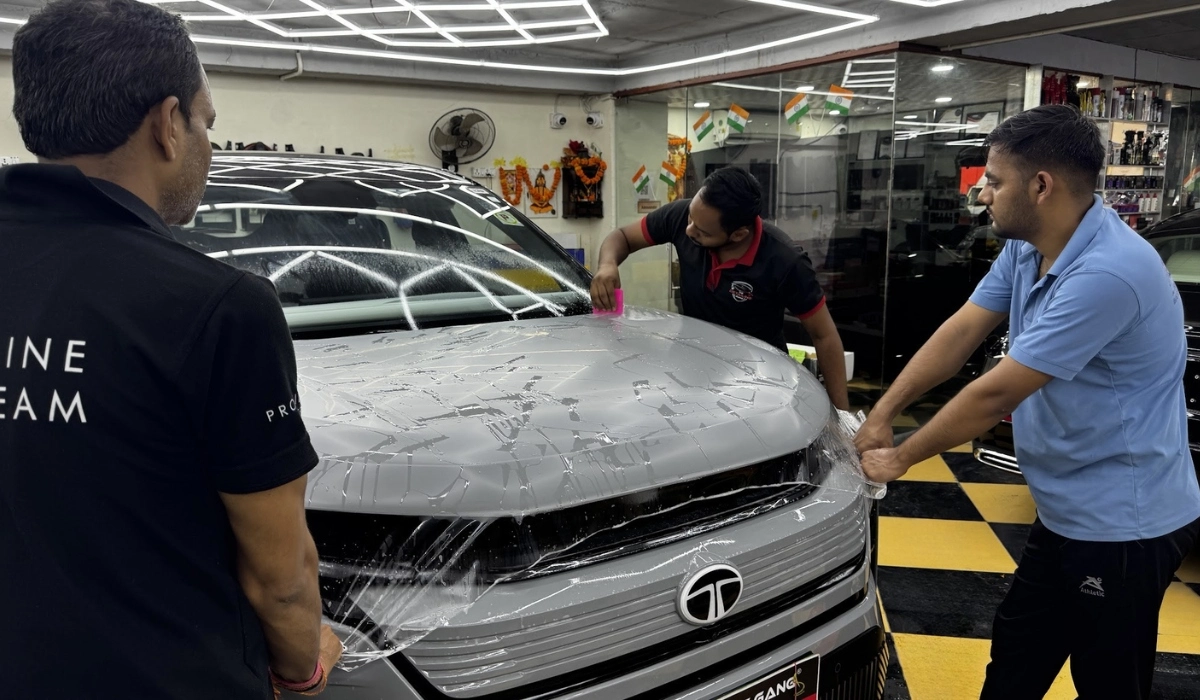
However, PPF is not a rust treatment. If rust already exists underneath the paint, putting PPF over it will not cure the corrosion. The correct order is: Inspect the rust, repair the affected area, restore the paint, and then consider PPF for suitable areas. PPF is best viewed as preventative paint protection, not as a solution for existing corrosion.
Does Ceramic Coating Prevent Rust?
Ceramic coating can protect the paint surface from environmental contamination and make the exterior easier to maintain, but it does not repair rust. A ceramic coating should be applied to a properly prepared surface.
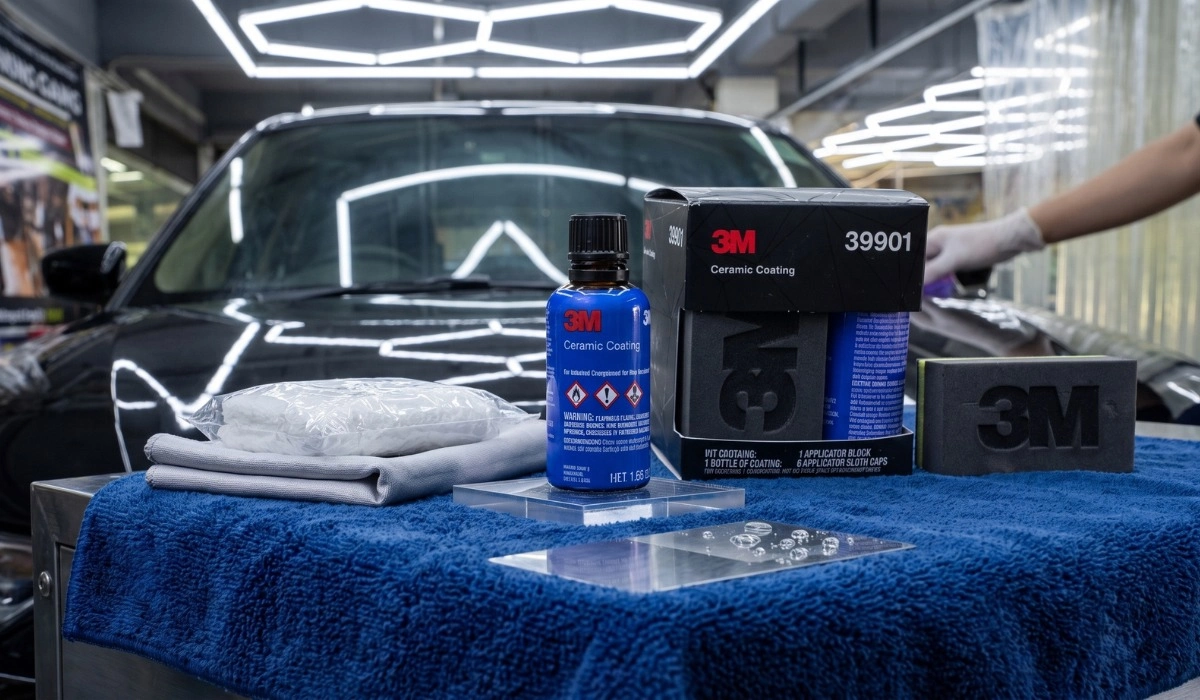
If the panel already has corrosion, the rust needs to be addressed first. This is an important distinction for new car owners. Paint protection and corrosion repair are two different things.
Common Mistakes That Make Car Rust Worse
Painting directly over rust
- This can hide the problem without removing the corrosion underneath.
Ignoring paint bubbles
- A paint bubble may be an early warning that corrosion has already developed underneath.
Using household chemicals randomly
- Not every chemical is safe for automotive paint, rubber, plastic, brakes, or other vehicle components.
- Use products according to their intended application.
Cleaning only the visible body
- The underbody, wheel wells, and hidden areas also need attention.
Ignoring water leaks
- A leaking seal can keep metal wet for long periods and allow hidden corrosion to develop.
Waiting for a hole
- Once corrosion has eaten through metal, the repair becomes much more complicated.
Assuming PPF or ceramic coating will cure rust
- Neither product removes existing corrosion.
How Often Should You Check Your Car for Rust?
You do not need to inspect every nut and bolt every week. For normal use, perform a detailed visual inspection every few months.
Check more frequently if you:
- Park outdoors
- Drive during heavy monsoon
- Regularly use muddy roads
- Live near the coast
- Drive long distances on highways
- Have paint chips or scratches
- Have recently experienced waterlogging
- Own an older vehicle
A quick inspection after washing is often enough to catch early warning signs.
A Simple 10-Minute Rust Check for Car Owners
You can make rust inspection part of your regular car cleaning routine.
Outside the car
Check:
- Lower doors
- Wheel arches
- Bonnet
- Boot edges
- Door seams
- Stone chips
- Scratches
- Paint bubbles
Inside the car
Check:
- Boot floor
- Spare wheel area
- Floor carpets
- Door edges
- Damp smells
- Signs of water leakage
Under the car
Look for:
- Heavy corrosion
- Flaking metal
- Rust around suspension components
- Exhaust corrosion
- Damaged underbody areas
If something looks significantly worse than the rest of the vehicle, get it inspected instead of waiting.
Does Rust Affect the Value of a Car?
It can. Visible rust can make a car look poorly maintained and may raise questions about its previous use, accident history, or maintenance.
More importantly, serious corrosion can affect body panels and structural components. If you plan to sell your car later, addressing minor corrosion early can be better than allowing it to become a large visible repair.
Can Rust Damage a Car's Structure?
Yes, advanced corrosion can weaken metal components. Surface rust is mainly a cosmetic concern when caught early. But penetrating corrosion can weaken structural areas and important components. That is why rust around frame rails, structural mounts, or other critical underbody areas shouldn't be treated as a simple DIY paint repair.
Is Rust the End of a Car?
No. A small rust spot does not mean your car is finished. The outcome depends on the location, depth, and amount of corrosion. Early surface rust can often be treated. More advanced corrosion may require panel repair, welding, or replacement. The key is not to wait until the problem becomes obvious from a distance.
Final Thoughts
Learning how to remove rust from a car is less about finding one magic product and more about understanding the condition of the metal. If you catch surface rust early, proper cleaning, corrosion removal, primer, and paint may be enough for a small body-panel repair. If the rust has created holes, weakened the metal, or reached structural components, professional repair is the better choice.
Prevention is equally important. Keep your car clean, remove mud from vulnerable areas, repair scratches and stone chips, check for water leaks, and inspect the underbody regularly. For Indian car owners, the monsoon is a particularly good time to watch for rust. Waterlogging, mud, and trapped moisture can expose problems that are easy to miss during dry weather.
And remember one important point: PPF, ceramic coating and other paint protection products can help protect healthy paint, but they do not cure existing rust. Deal with corrosion first. Protect the repaired surface afterwards. That simple approach can help you avoid a much more expensive rust repair in the future.
Frequently Asked Questions About Car Rust
Q1. What is the easiest way to remove rust from a car?
Ans. For a small surface-rust spot, clean the area, remove the corrosion, prepare the exposed metal, apply suitable primer, and finish with matching automotive paint and clear coat. Deeper corrosion needs professional repair.
Q2. How do I stop rust from spreading on my car?
Ans. Treat it as soon as you notice it. Remove the corrosion properly, repair damaged paint, and keep the area protected from moisture.
Q3. Can rust be removed without repainting?
Ans. Very light surface contamination may sometimes be removed without repainting. However, if rust has damaged the paint or exposed the metal, proper primer and paint may be necessary.
Q4. Why does rust come back after repair?
Ans. Rust can return when corrosion remains underneath the repaired area or when the original cause, such as water leakage or exposed metal, has not been addressed.
Q5. Does washing a car prevent rust?
Ans. Regular washing helps remove mud, dirt, and corrosive contaminants. However, you should also dry the vehicle properly and inspect vulnerable areas.
Q6. Does PPF stop rust?
Ans. PPF does not cure or directly stop existing rust. It can help protect paint from stone chips and scratches in the areas it covers, reducing one possible route for moisture to reach the underlying surface.
Q7. Does ceramic coating remove rust?
Ans. No. Ceramic coating does not remove corrosion. The surface should be properly repaired and prepared before applying a ceramic coating.
Q8. Is surface rust serious?
Ans. Surface rust is less serious than penetrating corrosion, but ignoring it can allow the damage to progress. Early treatment is the best approach.
Q9. Should I use an anti-rust coating on a new car?
Ans. Do not apply an aftermarket anti-rust product simply because the car is new. First understand the manufacturer's existing corrosion protection and make sure any additional product is suitable for the intended surface.
Q10. Can I remove surface rust myself?
Ans. Yes, if the affected area is small and the metal underneath remains solid. If the metal is flaking, weakened, or perforated, professional repair is recommended.
