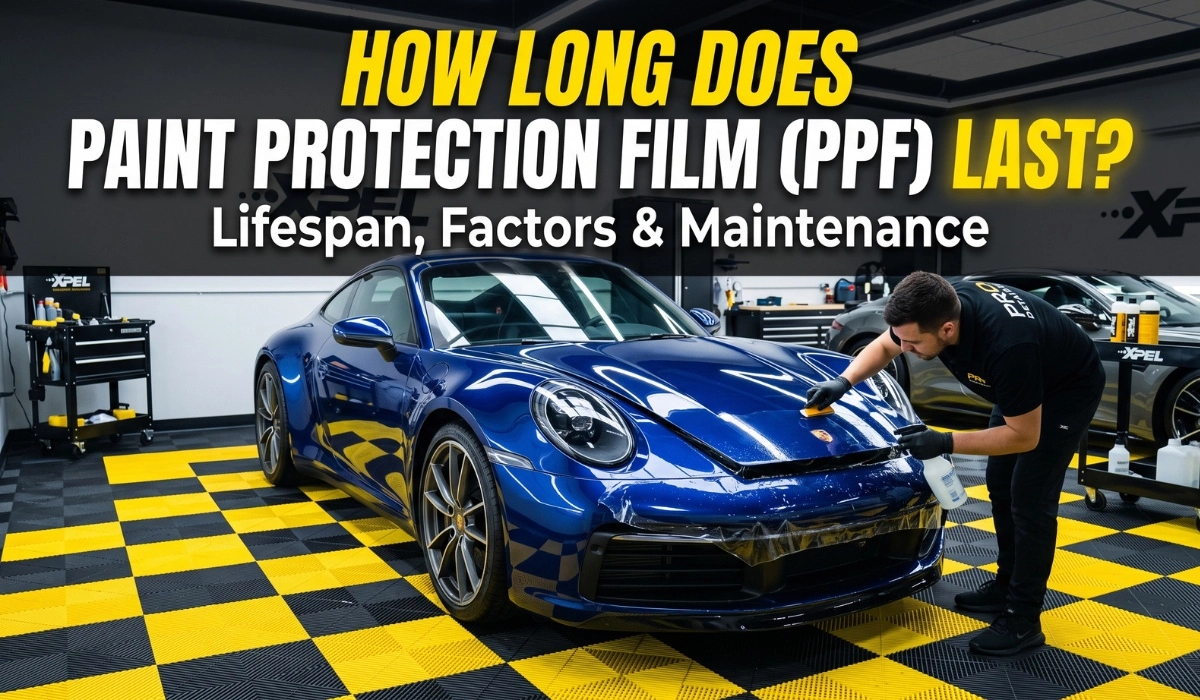
How Long Does Paint Protection Film (PPF) Last? Lifespan, Factors
✏ A D Nath | 🔖 Paint Protection Film
If you are planning to protect your car with Paint Protection Film (PPF), one of the first questions that comes to mind is, "How long does PPF last?". It is an important question because PPF is an investment in your vehicle's appearance and resale value. A quality film can protect your paint from stone chips, light scratches, bird droppings, UV rays, road debris, and daily wear. However, its lifespan depends on the film quality, installation, driving conditions, and maintenance.
The good news is that modern self-healing PPF lasts much longer than earlier generations. Premium films installed by certified professionals can easily protect your vehicle for many years when maintained properly. In this guide, you will learn everything about Paint Protection Film lifespan, what affects it, how Indian weather impacts durability, maintenance tips, warranty details, and how to know when it is time for replacement.
What Is the Average Lifespan of Paint Protection Film?
The average Paint Protection Film lifespan depends mainly on the quality of the material.
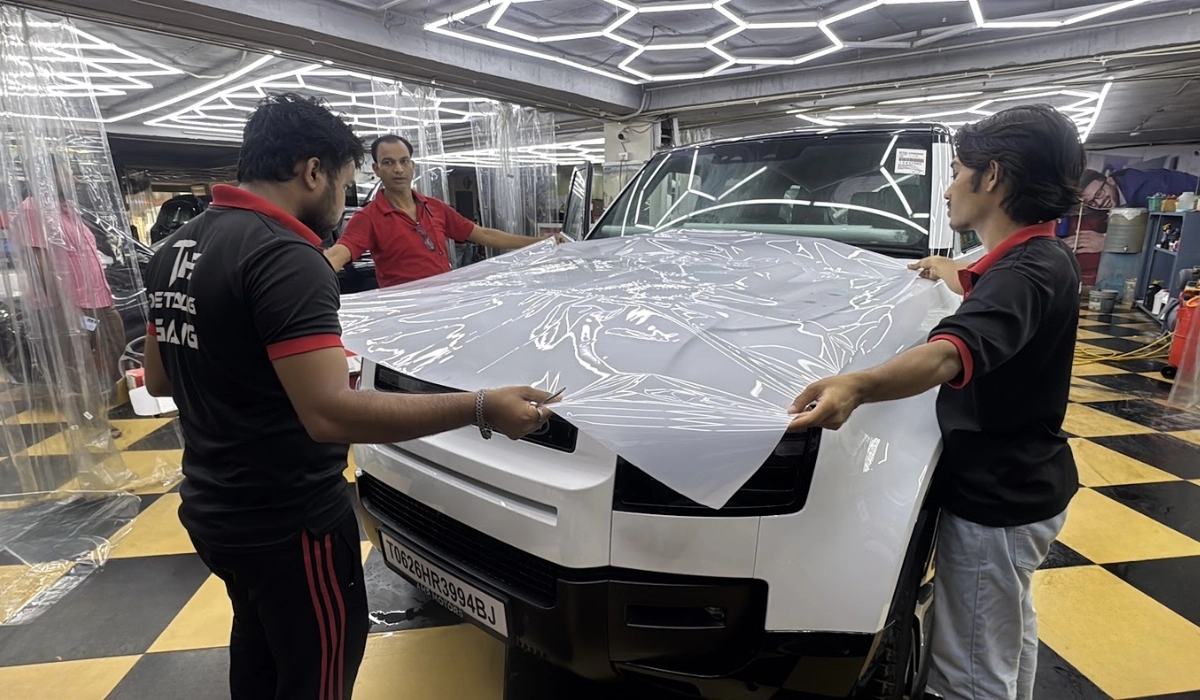
Here is a general estimate.
| PPF Type | Expected Lifespan |
| Basic TPU PPF | 5 to 7 Years |
| Premium Self-Healing TPU PPF | 7 to 10 Years |
| High-End Premium Brands | Up to 10 Years or More |
Many premium manufacturers now offer warranties ranging between 7 and 12 years, depending on the product. It is important to understand that warranty and actual lifespan are not always the same. A properly maintained film often continues protecting the paint even after its warranty period.
If your car spends most of its time indoors and receives proper maintenance, your PPF may easily outlast its official warranty.
Does PPF Really Last That Long?
Yes, provided three important conditions are met.
- First, the installer uses genuine premium TPU film.
- Second, the installation follows manufacturer guidelines.
- Third, the owner follows proper PPF maintenance practices.
Cheap films made from lower-quality materials usually lose gloss, become yellow, or start peeling much earlier. This is why choosing a trusted installation studio is just as important as choosing the brand itself.
What Affects the Lifespan of PPF?
Several factors determine PPF durability.
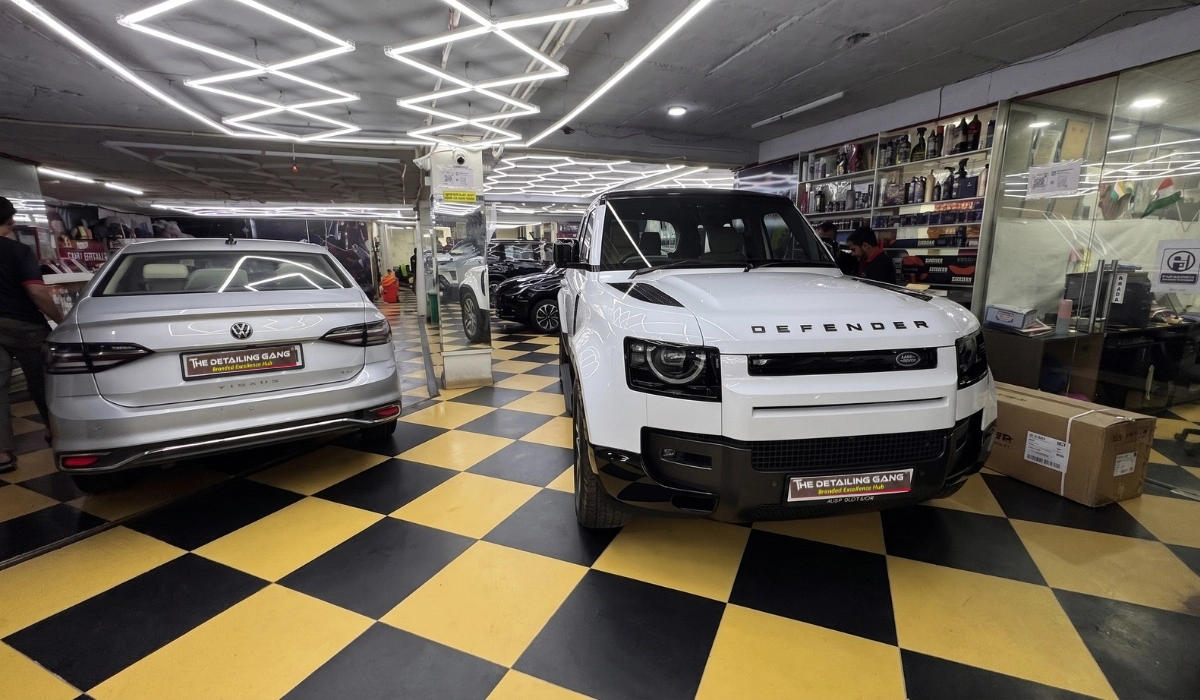
1. Film Quality
Not all Paint Protection Films are the same.
Premium TPU films offer:
- Better scratch resistance
- Superior UV protection
- Excellent stain resistance
- Longer durability
- Advanced self-healing technology
Low-quality films may crack, discolor, or peel within a few years. Investing in a premium film usually saves money in the long run.
2. Installation Quality
Even the best film can fail if installed incorrectly.
Professional installation ensures:
- Proper surface preparation
- Dust-free application
- Correct edge wrapping
- Bubble-free finish
- Strong adhesion
Poor installation often causes lifting edges, trapped dirt, and early failure. Always choose experienced installers with certified technicians.
3. Driving Conditions
The more you drive, the harder your PPF works.
Cars driven daily on highways experience:
- More stone chips
- Higher road debris impact
- Increased bug splatter
- Greater exposure to dust
Vehicles used mainly for city driving generally experience less wear.
4. Parking Habits
Where you park matters.
Indoor parking protects the film from:
- UV rays
- Heat
- Acid rain
- Bird droppings
- Tree sap
Cars parked all day outdoors usually experience faster aging.
5. Washing Methods
Improper washing reduces PPF lifespan.
Avoid:
- Dirty washing cloths
- Strong chemicals
- Hard brushes
- Abrasive cleaners
Instead, use:
- pH-neutral shampoo
- Soft microfiber wash mitt
- Microfiber drying towel
Gentle washing keeps the film cleaner and healthier.
6. Climate
Weather plays a major role in Paint Protection Film lifespan.
- Extreme heat, pollution, heavy rain, dust, and strong sunlight all affect the film over time.
- Fortunately, premium films are specifically designed to handle these conditions.
How Does Delhi's Climate Affect PPF?
Delhi presents one of the toughest environments for any vehicle.
Your car regularly faces:
- High summer temperatures
- Strong UV exposure
- Heavy dust
- Construction debris
- Monsoon rains
- Air pollution
- Bird droppings
- Tree sap
These factors slowly wear down exposed paint. Fortunately, premium Paint Protection Film acts as a sacrificial protective layer.
Instead of damaging your factory paint, daily abuse affects the film first. This is one of the biggest reasons why PPF is one of the best paint protection solutions for Indian weather.
Is PPF Good for Indian Weather?
Absolutely Yes!. Modern TPU films are designed to perform well in hot and humid climates.
Quality PPF protects against:
- UV fading
- Paint oxidation
- Light scratches
- Stone chips
- Road salt
- Rainwater contamination
- Bird droppings
- Tree sap
This makes PPF one of the best options for Indian weather, especially in cities like Delhi, Gurgaon, Noida, Faridabad, and Ghaziabad.
What Is Self-Healing PPF?
One of the biggest advantages of premium PPF is Self-Healing PPF technology.
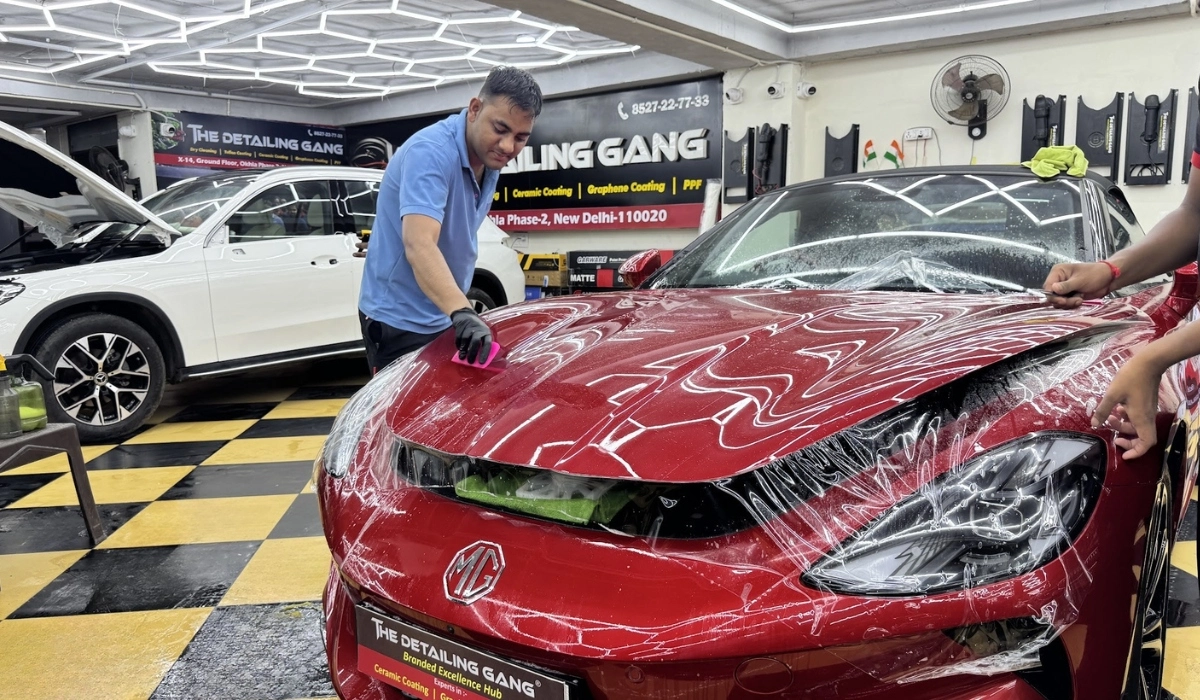
Minor swirl marks and light scratches disappear when exposed to:
- Sunlight
- Warm water
- Moderate heat
The top layer gradually returns to its original shape. This keeps your vehicle looking newer for much longer.
Keep in mind that deep cuts and severe scratches cannot heal completely. Only light surface marks disappear naturally.
Does PPF Expire?
Technically, PPF does not expire on a fixed date. Instead, it slowly reaches the end of its useful life.
Over time, exposure to sunlight, pollution, moisture, and road contaminants gradually reduces its performance. Most premium films continue protecting the paint even after the warranty period if maintained correctly. However, once the film begins to lose its protective properties, replacement becomes the better option.
Signs Your PPF Needs Replacement
Eventually, every Paint Protection Film reaches the end of its lifespan.
Some common signs include:
Yellowing
- Older or low-quality films may develop a yellow tint.
- Premium modern films are much more resistant to discoloration.
Cracking
- Small cracks indicate aging and reduced flexibility.
Peeling Edges
- Lifting edges allow dirt and moisture underneath the film.
- Replacing damaged sections quickly prevents bigger issues.
Permanent Stains
- Some chemical stains become impossible to remove after years of exposure.
Loss of Gloss
- If the film no longer restores its shine after washing, it may be nearing replacement.
Reduced Self-Healing Performance
- If light scratches remain visible for weeks, the self-healing layer may have worn out.
How to Increase PPF Lifespan?
Following a few simple habits can significantly improve PPF durability.
Wash Regularly
Remove:
- Dust
- Mud
- Tree sap
- Bird droppings
- Insect remains
These contaminants should not stay on the film for long periods.
Use pH-Neutral Car Shampoo
- Strong detergents slowly weaken the film's protective coating.
- Always use products designed for automotive detailing.
Dry the Vehicle Properly
- Standing water leaves mineral deposits.
- Dry your vehicle using a clean microfiber towel.
Remove Bird Droppings Quickly
- Bird droppings contain acidic compounds.
- Leaving them for days may stain the film.
Avoid Harsh Chemicals
Never use:
- Paint thinner
- Strong solvents
- Household cleaners
These products may damage the top protective layer.
Inspect the Film Regularly
Look for:
- Cuts
- Damage
- Edge lifting
- Deep scratches
Early repairs help extend overall lifespan.
Read More:
Does Ceramic Coating on PPF Help?
Surely Yes!. Applying ceramic coating over PPF offers additional surface protection. While ceramic coating does not replace PPF, it improves everyday maintenance.
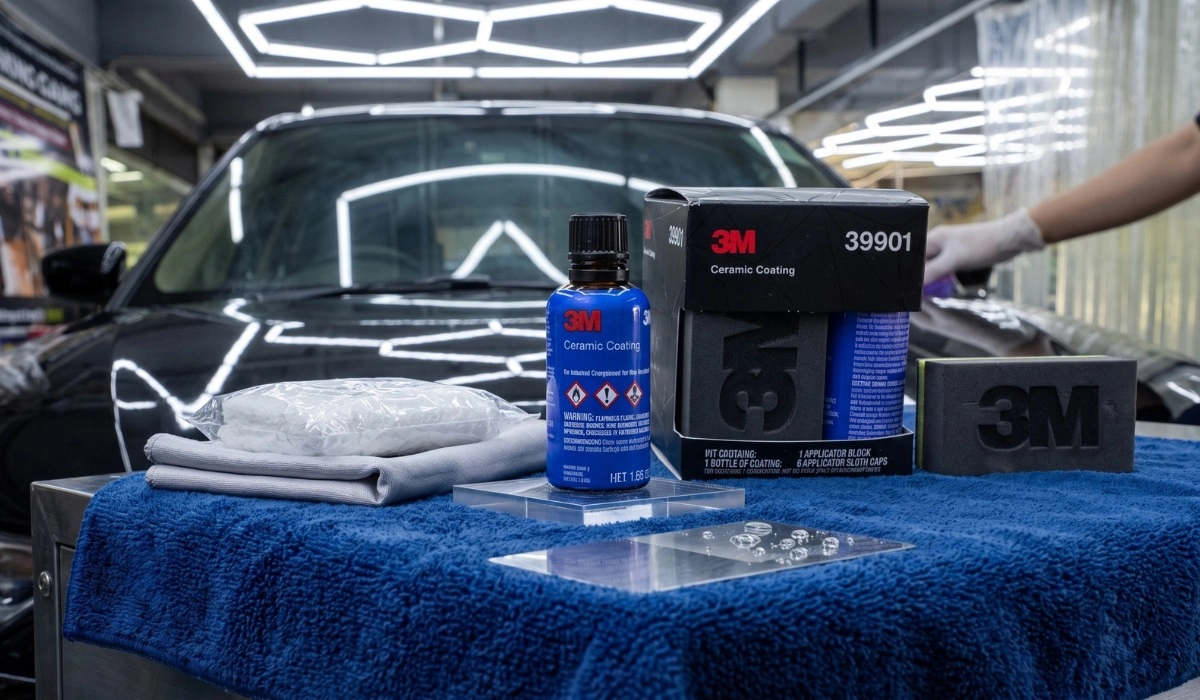
Benefits include:
- Easier cleaning
- Improved gloss
- Better water repellency
- Less dirt accumulation
- Better stain resistance
Ceramic coating acts as an additional protective layer over the film. Many premium car owners choose this combination for maximum paint protection.
PPF Warranty Explained
Many buyers confuse PPF warranty with actual lifespan. A warranty generally covers manufacturing defects such as:
- Yellowing
- Cracking
- Delamination
- Adhesive failure
It does not usually cover:
- Negligence
- Accident damage
- Sharp object cuts
- Improper washing
- Chemical damage
Always read the manufacturer's warranty terms before installation. A genuine warranty provides confidence that you are getting an authentic product.
Is PPF Worth the Investment?
For most vehicle owners, the answer is yes. PPF helps maintain your vehicle's original paint, reducing repainting costs and preserving resale value.
It is especially beneficial for:
- SUVs
- New cars
- Sports cars
- Luxury vehicles
- Daily commutersHighway-driven vehicles
Instead of repairing paint repeatedly, the protective film absorbs much of the everyday damage. Over several years, this often makes PPF a cost-effective investment.
Which Cars Benefit Most from PPF?
Although every vehicle can benefit, PPF is especially useful for:
- Premium sedans
- Luxury SUVs
- Performance cars
- Electric vehicles
- Brand-new cars
- Dark-colored vehicles
- Matte paint finishes
Owners who want to preserve factory paint for years often choose full-body protection.
Why Professional Installation Matters?
The lifespan of even the best PPF depends heavily on installation quality.
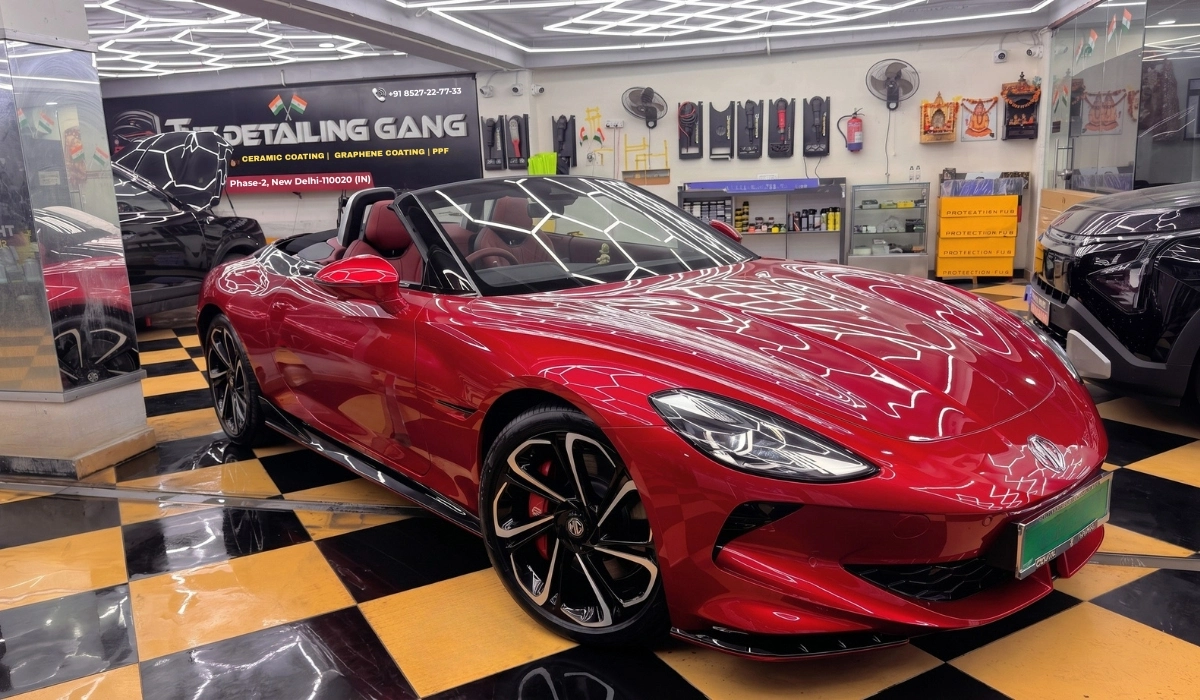
A professional detailing studio offers:
- Certified installers
- Genuine branded films
- Computer-cut patterns
- Proper surface preparation
- Manufacturer-backed warranty
- Clean installation environment
Professional installation reduces the chances of bubbles, lifting edges, and premature failure.
Final Thoughts
If you are wondering how long does PPF lasts, the answer depends on the quality of the film, the installation process, and how well you maintain it. Premium Paint Protection Film generally lasts 7 to 10 years, making it one of the most reliable ways to preserve your vehicle's original paint.
For Indian driving conditions, especially in cities like Delhi, choosing a high-quality self-healing PPF and following proper PPF maintenance practices can significantly extend its life. Simple habits such as regular hand washing, removing bird droppings quickly, and parking in shaded areas help keep the film performing at its best.
If you are planning to install PPF, always choose genuine branded films and experienced installers. A professionally installed film not only protects your paint but also helps maintain your car's appearance and resale value for years to come.
Frequently Asked Questions
Q1. How long does PPF last on a car?
Ans. Premium TPU Paint Protection Film typically lasts between 7 and 10 years with proper maintenance.
Q2. Can PPF last more than 10 years?
Ans. Yes. Some high-quality films continue protecting the paint beyond 10 years when properly maintained and parked indoors.
Q3. Does PPF turn yellow?
Ans. Older or low-quality films may yellow over time. Premium TPU films offer advanced UV resistance and are much less likely to discolor.
Q4. Is PPF better than ceramic coating?
Ans. PPF protects against stone chips and scratches, while ceramic coating mainly improves gloss and makes cleaning easier. Many owners combine both for better protection.
Q5. Does washing reduce PPF lifespan?
Ans. No. Proper handwashing with a pH-neutral shampoo actually helps extend the life of the film.
Q6. Can damaged PPF be repaired?
Ans. Minor scratches often disappear through self-healing technology. Deep cuts usually require replacement of the affected section.
Q7. Does PPF need maintenance?
Ans. Yes. Regular washing, prompt removal of contaminants, and periodic inspections help maximize its lifespan.
