
How to Take Care of Your Car in Rain | Complete Monsoon Car Care
✏ A D Nath | 🔖 Car Smell
The rainy season brings much-needed relief from the summer heat, but it can also take a toll on your car. Heavy rain, muddy roads, high humidity, and standing water can damage your car's paint, tyres, brakes, battery, electrical components, and interior if not properly maintained. Over time, these conditions may lead to rust, poor visibility, unpleasant odours, and costly repairs.
Knowing how to take care of your car in the rain goes beyond regular cleaning. It involves preparing your vehicle before the monsoon, performing routine maintenance, and following safe driving practices on wet roads. Simple steps like checking your tyres, brakes, wipers, and battery, along with keeping the exterior and interior clean, can make a significant difference. In this complete monsoon car care guide, you'll discover practical tips to protect your car from rain damage, improve safety, and keep it running smoothly throughout the rainy season.

Table of Contents:
- Introduction
- Why does rain damage a car
- Pre-monsoon preparation
- 15 detailed maintenance tips
- Safe driving tips
- Common mistakes
- Maintenance checklist
- Conclusion
- FAQs
Why Does Rain Damage Your Car?
Many people believe rain simply washes dirt off a vehicle, but the reality is quite different. Rainwater carries dust, industrial pollutants, acidic particles, and road contaminants that settle on your car's surface. When combined with mud and moisture, these elements can gradually damage different parts of your vehicle.
Understanding these risks helps you appreciate why car maintenance during the rainy season is so important.
Rain Can Cause Rust and Corrosion
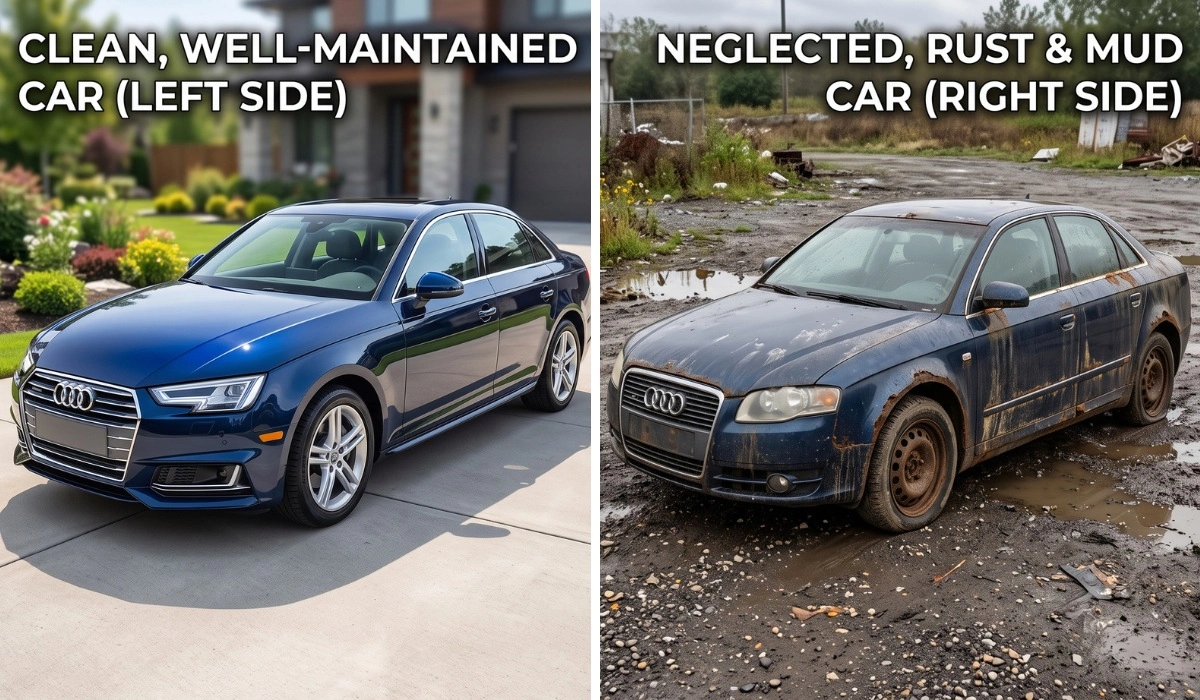
One of the biggest threats during the monsoon is rust. Constant exposure to moisture allows corrosion to develop on metal surfaces, especially if your car already has scratches or chipped paint. The underbody is particularly vulnerable because it is constantly exposed to muddy water, stones, and road debris. If left untreated, corrosion can affect the suspension, chassis, brake lines, exhaust system, and other important components. Regular underbody cleaning significantly reduces the chances of long-term rust damage.
Dirt and Mud Can Damage the Paint
Rainwater often leaves behind mineral deposits, dirt, and pollutants after it dries. Mud splashes stick to the lower panels, wheel arches, and bumpers, making the paint look dull over time. If dirt remains on the surface for several days, it can slowly damage the clear coat. Frequent washing during the rainy season helps preserve your car's finish and keeps contaminants from bonding to the paint.
Applying a quality wax, paint sealant, ceramic coating, or Paint Protection Film provides an additional layer of protection against water, dirt, and UV exposure.
Moisture Can Affect the Interior
Rainwater doesn't only stay outside. Wet shoes, umbrellas, and clothes introduce moisture into the cabin every day. Over time, damp carpets and floor mats create the perfect environment for mould, bacteria, and unpleasant smells. Excess moisture may also affect electronic switches, seat rails, and metal flooring beneath the carpets. Keeping the cabin dry is just as important as maintaining the exterior.
Wet Roads Reduce Tyre Grip
Tyres play a critical role in keeping your vehicle stable during rain. When the tire tread becomes worn, the tires struggle to channel water away from the contact patch. This increases the risk of hydroplaning, in which the tyres lose contact with the road surface and begin to slide across standing water. Maintaining proper tyre pressure and adequate tread depth greatly improves safety during wet weather.
Braking Performance Can Decrease
Brakes naturally become less effective when they are wet. Water between the brake pads and rotors can temporarily reduce braking efficiency until the components. Worn brake pads or old brake fluid further increase stopping distances, making regular brake inspections essential before and during the monsoon.
If your brakes make unusual noises, feel soft, or take longer to stop the vehicle, have them inspected immediately.
Electrical Components Are More Vulnerable
Modern cars rely heavily on electrical systems and sensors. Although most components are designed to resist water, continuous exposure to moisture can affect wiring, battery terminals, connectors, sensors, and lighting systems.
Driving through deep water increases the risk of water entering sensitive electrical components, potentially leading to expensive repairs. Regular inspections help identify small issues before they become major problems.
Reduced Visibility Makes Driving More Dangerous
Heavy rainfall can reduce visibility within seconds. Dirty windshields, worn wiper blades, fogged windows, and dim headlights make it much harder to see the road. Good visibility is one of the most important aspects of safe driving during the rainy season. Replacing old wiper blades and keeping your windshield clean are simple maintenance tasks that greatly improve safety.
How to Prepare Your Car Before the Monsoon?
The best way to avoid rainy season problems is to prepare your vehicle before the first heavy shower arrives. A pre-monsoon inspection helps identify worn parts, fluid leaks, weak batteries, damaged tyres, and other issues that could become serious once the rains begin.
Before the rainy season starts, check the following:
- Inspect tyre tread depth and tyre pressure.
- Test the brakes and brake fluid condition.
- Replace old or streaky wiper blades.
- Refill the windshield washer fluid.
- Check all exterior lights, including headlights, brake lights, and indicators.
- Inspect the battery and clean any corrosion from the terminals.
- Examine door and window rubber seals for cracks or wear.
- Ensure the air conditioner and defogger are working properly.
- Repair any paint chips or scratches to reduce the risk of rust.
- Schedule an underbody inspection if your vehicle is more than a few years old.
Taking these preventive steps reduces the chances of unexpected repairs during the rainy season and gives you greater confidence when driving in challenging weather conditions.
1. Wash Your Car Regularly During the Rainy Season
Many people skip washing their cars during the monsoon because they assume rainwater keeps the vehicle clean. In reality, rainwater often leaves behind mud, dust, road grime, bird droppings, tree sap, and pollutants that stick to the paint.
If these contaminants remain on the surface for several days, they can damage the clear coat and make your car look dull. Regular washing helps remove these deposits before they become difficult to clean.
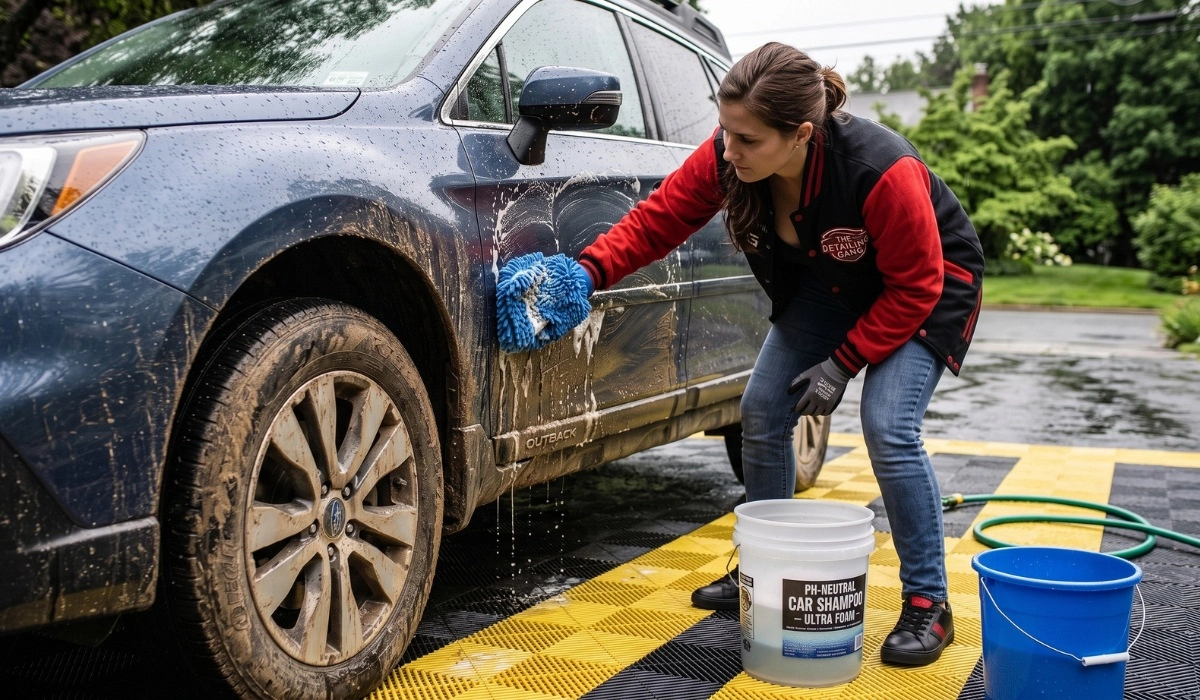
For the best results:
- Wash your car once every 7 to 10 days.
- Use a pH-neutral car shampoo instead of household detergents.
- Clean the wheel arches, door sills, and lower body panels thoroughly.
- Dry the vehicle with a clean microfiber towel to prevent water spots.
If you drive through muddy or flooded roads frequently, wash your car as soon as possible after returning home.
Pro Tip: Avoid washing your car under direct sunlight, as it can leave water spots on the paint.
2. Never Ignore the Underbody
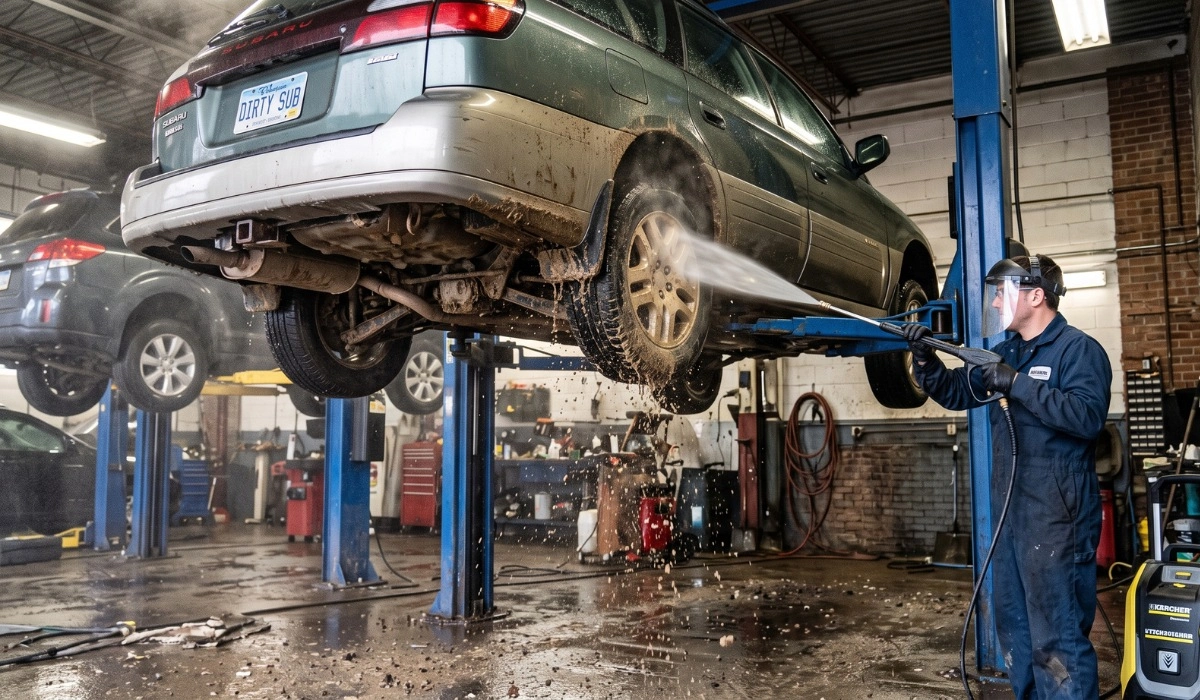
The underbody is one of the most overlooked parts of a vehicle during the rainy season. It constantly comes into contact with muddy water, gravel, and road debris, making it highly susceptible to rust and corrosion. Although the damage may not be visible immediately, untreated corrosion can weaken suspension components, brake lines, and the exhaust system over time.
Schedule an underbody wash every two to four weeks during the monsoon, especially if you regularly drive through waterlogged roads. An anti-rust coating can also provide additional protection for older vehicles or cars driven in areas with heavy rainfall.
3. Protect Your Car's Paint
Your car's paint is its first line of defence against rain, dirt, and UV rays. Protecting it before the rainy season can save you from expensive paint correction work later. You have several options depending on your budget:
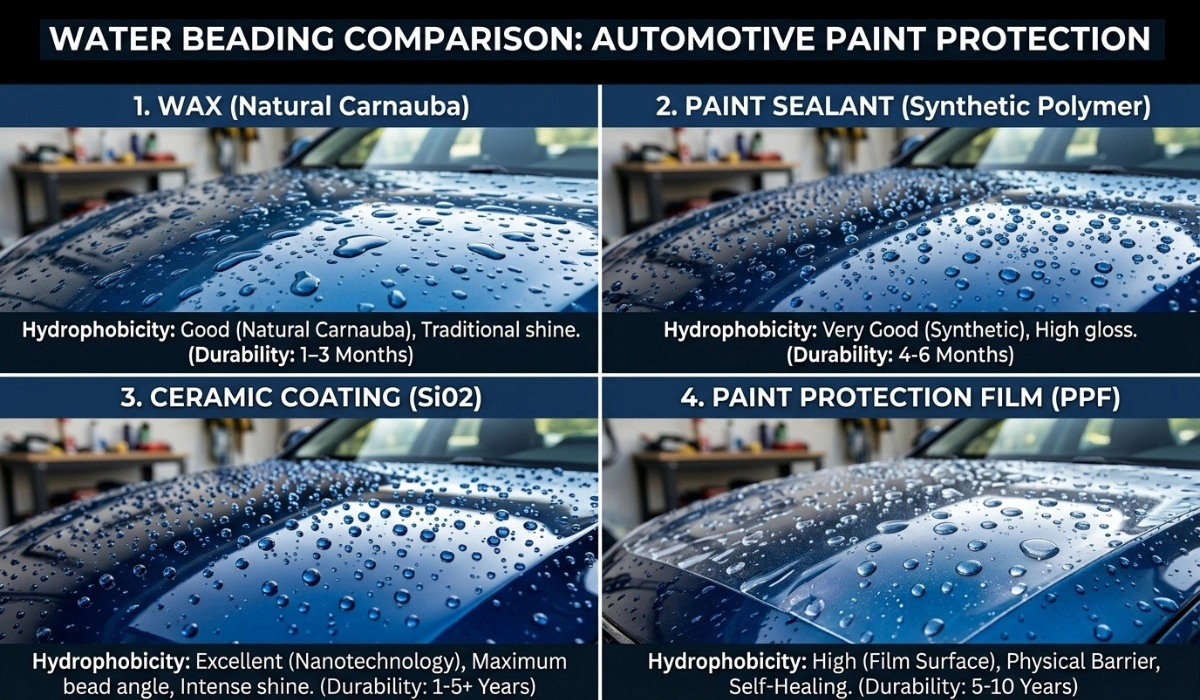
- Paint Sealant: Paint sealants offer better durability than traditional wax and provide longer-lasting protection against rain and contaminants.
- Car Wax: A quality wax creates a temporary protective layer that repels water and makes washing easier. Protection usually lasts four to eight weeks.
- Ceramic Coating: Ceramic coating creates a hydrophobic surface that allows water and dirt to slide off more easily. It also makes regular washing quicker and helps preserve the paint's shine.
- Paint Protection Film: Paint Protection Film, also known as PPF, offers the highest level of protection. It helps prevent stone chips, scratches, swirl marks, and minor abrasions while protecting the original paint from harsh weather conditions. Choose the protection option that best suits your driving habits and maintenance routine.
4. Repair Paint Chips and Scratches Immediately
Even a small paint chip can expose bare metal to moisture. Once rainwater reaches the exposed surface, rust can begin to develop surprisingly quickly.
Inspect your car regularly for:
- Stone chips
- Deep scratches
- Paint peeling
- Rust spots
Touch-up paint works well for minor damage, while larger areas should be repaired professionally. The sooner you fix damaged paint, the lower your repair costs will be.
5. Check Your Tyres Before Every Long Drive
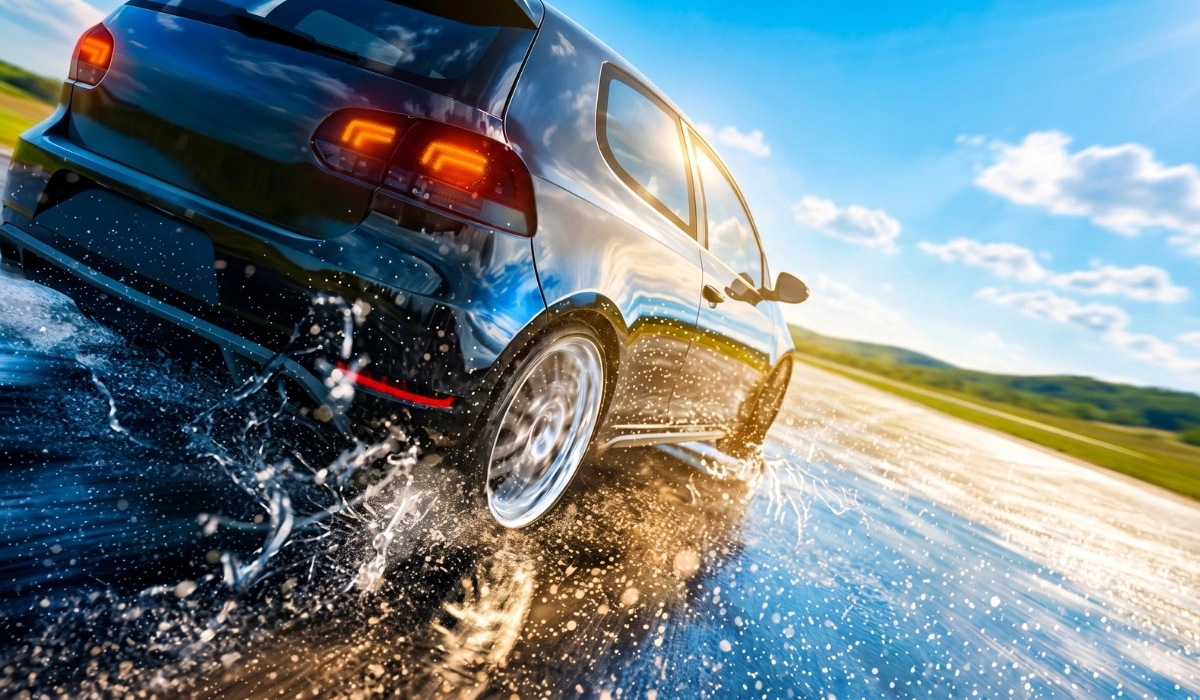
Tyres are your only point of contact with the road, making them especially important during the rainy season. Worn tyres struggle to remove water from the road surface, increasing the risk of hydroplaning.
Worn tyres struggle to remove water from the road surface, increasing the risk of hydroplaning.
Before driving:
- Check tyre pressure.
- Inspect tread depth.
- Look for cuts or bulges.
- Ensure wheel alignment is correct.
- Rotate tyres according to the manufacturer's schedule.
If your tyres are close to the wear indicator, replace them before the monsoon. Good tyres improve braking performance, cornering stability, and overall safety.
6. Inspect Your Brakes Regularly
Your braking system works harder during wet weather. Water on the brake discs can temporarily reduce braking efficiency, while worn brake pads make stopping distances even longer.
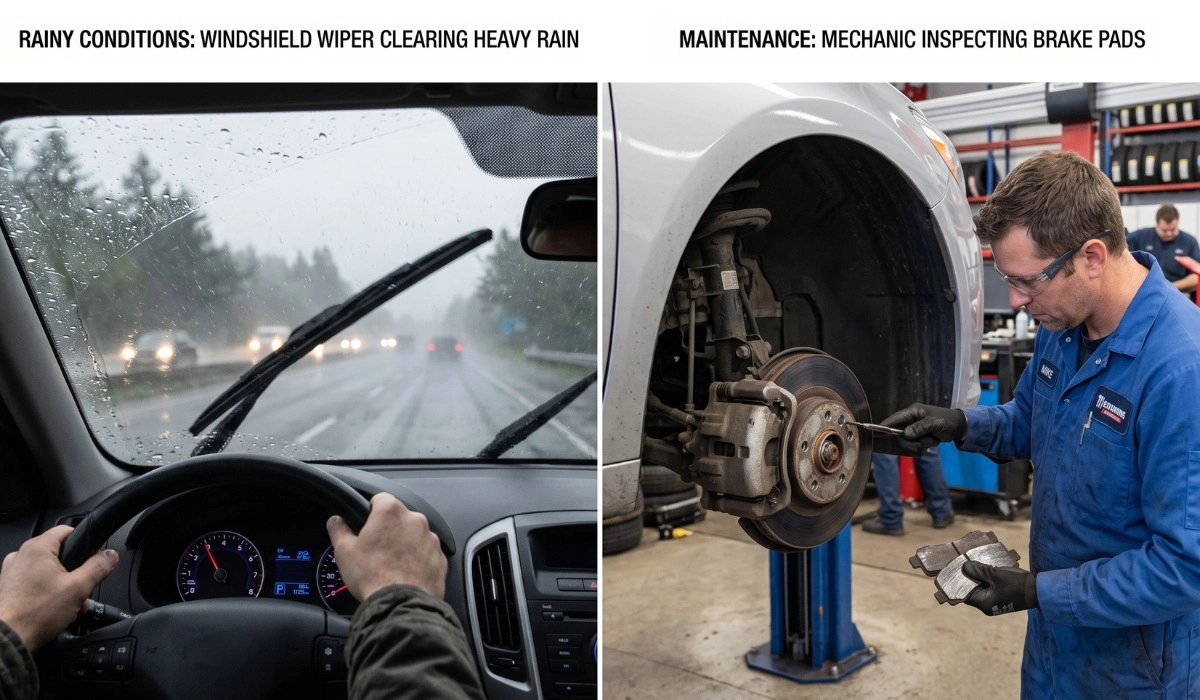
Signs your brakes need attention include:
- Grinding noises
- Soft brake pedal
- Squealing sounds
- Vibrations while braking
- Longer stopping distance
Have your mechanic inspect:
- Brake pads
- Brake discs
- Brake fluid
- Brake lines
Replacing worn brake components before the rainy season is far safer than waiting for a failure.
7. Replace Worn-Out Wiper Blades
Good visibility can prevent accidents during heavy rain. Old wiper blades often leave streaks, skip across the windshield, or fail to remove water completely.
Replace your wipers if you notice:
- Streaking
- Squeaking
- Cracked rubber
- Uneven wiping
- Reduced visibility
Most experts recommend replacing wiper blades every six to twelve months. Also, keep your windshield washer fluid topped up. Avoid using plain water, as dedicated washer fluid cleans better and reduces streaks.
8. Keep Your Windshield Clean Inside and Out
Many drivers only clean the outside of the windshield. However, dirt, grease, and dust on the inside can worsen glare during night driving in the rain.
Clean both sides regularly using:
- Glass cleaner
- Microfiber cloth
- Anti-fog solution, if required
A clean windshield improves visibility in both daytime and nighttime rain.
9. Prevent Moisture Inside the Cabin
Cabin moisture is one of the most common rainy season problems. Wet shoes, umbrellas, clothes, and floor mats introduce moisture every day.
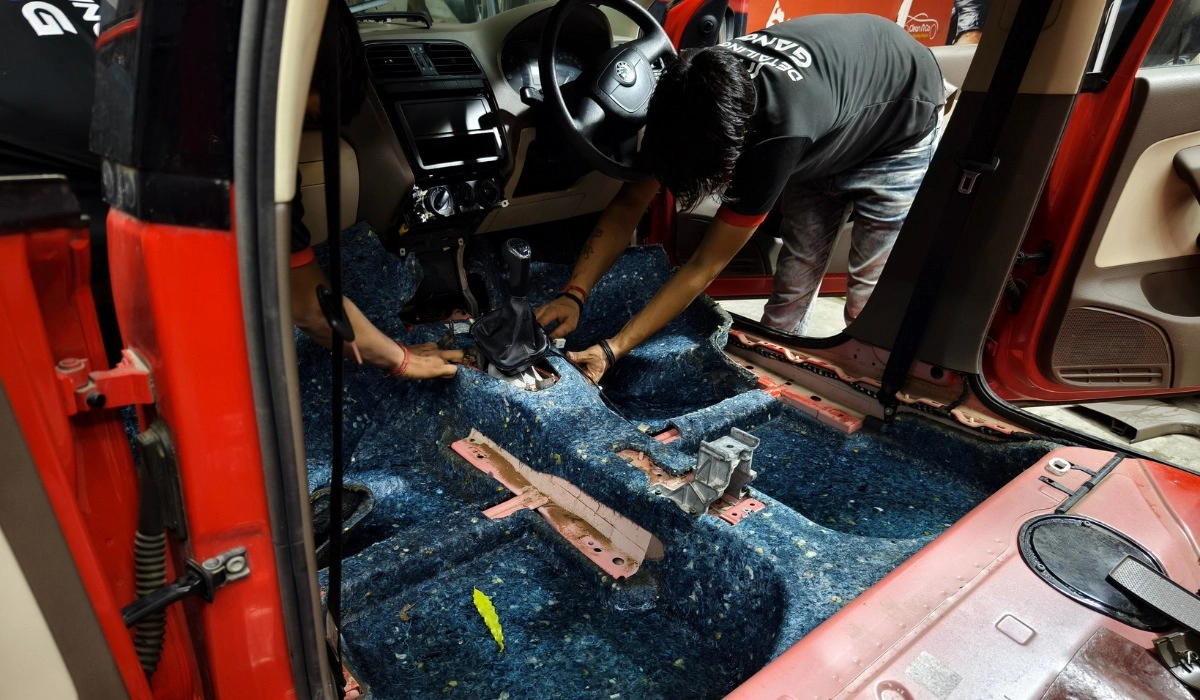
If ignored, the cabin may develop:
- Musty smells
- Mould
- Fungal growth
- Fogged windows
- Rust beneath carpets
To keep your cabin dry:
- Remove wet floor mats whenever possible.
- Dry carpets immediately.
- Leave windows slightly open only if the vehicle is parked in a safe, covered area.
- Vacuum the interior regularly.
- Use moisture absorbers or silica gel packs if needed.
A dry cabin is healthier, more comfortable, and helps protect your vehicle's interior.
10. Use the Car AC Correctly During Rain
Many drivers believe they should switch off the air conditioner during rain. In fact, your AC helps remove moisture from the cabin.
For the best results:
- Use the defogger when windows begin to fog.
- Switch to fresh air mode occasionally instead of using recirculation continuously.
- Keep the cabin air filter clean.
- Service the AC before the monsoon if the cooling performance has reduced.
Proper use of the AC improves visibility and prevents excessive humidity inside the vehicle.
11. Inspect Door and Window Rubber Seals
Rubber weather strips around doors and windows prevent rainwater from entering the cabin. Over time, these seals may crack, harden, or become loose.
Check for:
- Water leaks
- Torn rubber
- Gaps around doors
- Damp carpets
Replacing damaged seals early prevents expensive interior repairs later.
12. Take Care of Your Car Battery
Battery problems become more common during the rainy season because moisture accelerates corrosion around the battery terminals.
Inspect your battery regularly.
Look for:
- White or green deposits
- Loose connections
- Difficulty starting
- Dim headlights
Cleaning battery terminals and tightening loose connections can improve reliability. If your battery is more than three to four years old, have it tested before the monsoon begins.
13. Protect Electrical Components
Modern vehicles contain dozens of electronic control units, sensors, and wiring harnesses. Although they are designed to resist moisture, deep water crossings can still cause serious damage. Although they are designed to resist moisture, deep water crossings can still cause serious damage.
Avoid:
- Driving through flooded roads whenever possible.
- Spraying high-pressure water directly into the engine bay.
- Ignoring electrical warning lights.
If your vehicle stalls after driving through deep water, do not restart it immediately. Contact roadside assistance or a qualified mechanic.
14. Park Your Car Carefully
Where you park your vehicle matters just as much as how you drive it.
Whenever possible:
- Park under a covered structure.
- Avoid waterlogged areas.
- Stay away from large trees with weak branches.
- Choose level ground.
- Avoid parking where water tends to collect.
If covered parking is unavailable, inspect your vehicle after heavy rainfall to ensure no water has entered the cabin.
15. Keep Emergency Supplies in Your Car
Unexpected situations are more common during heavy rain. A small emergency kit can make a significant difference.
Consider carrying:
- Flashlight
- First-aid kit
- Mobile charger
- Reflective warning triangle
- Tyre inflator
- Portable jump starter
- Tow rope
- Raincoat
- Drinking water
- Basic tool kit
Being prepared provides peace of mind during long journeys.
Expert Tip:
Preventive maintenance always costs less than major repairs. Spending a few minutes each week inspecting your tyres, brakes, wipers, battery, and cabin for moisture can help you avoid breakdowns, improve safety, and extend your car's lifespan throughout the rainy season.
Safe Driving Tips During Heavy Rain
Maintaining your car is only one part of staying safe during the rainy season. Your driving habits also play a major role in preventing accidents. Wet roads reduce tyre grip, increase braking distance, and make it harder to see other vehicles, pedestrians, and road hazards.
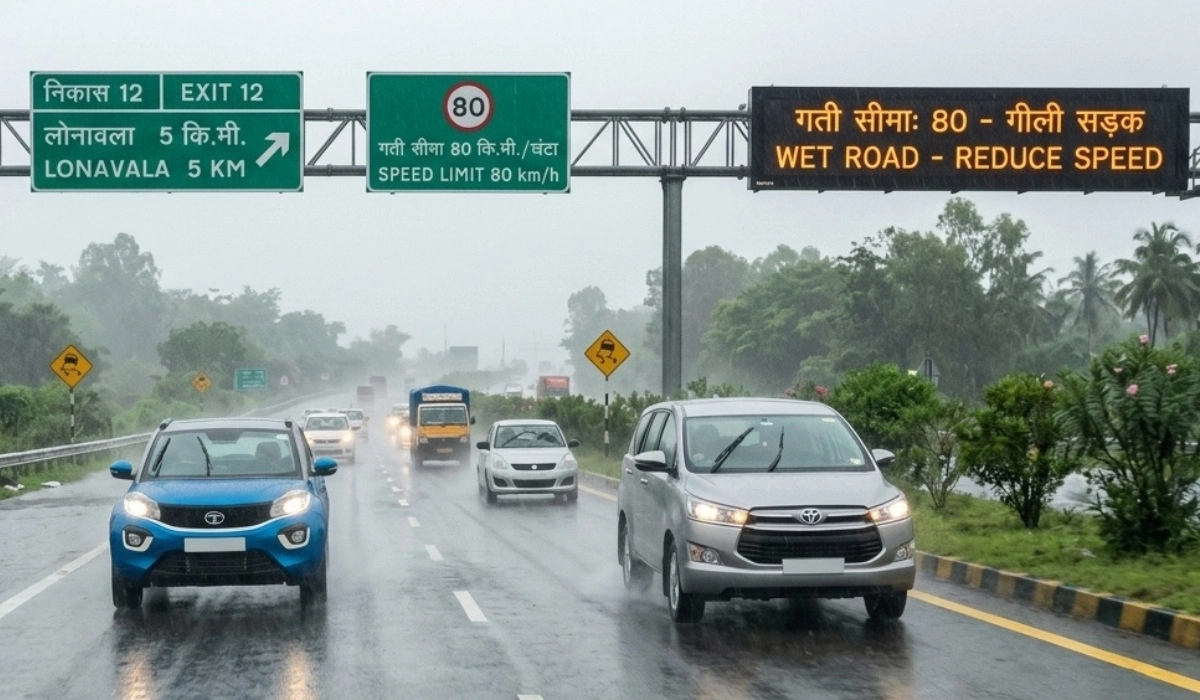
Follow these simple driving tips whenever you're on the road during heavy rain.
Reduce Your Speed
Driving at high speeds on wet roads increases the chances of losing control of your vehicle. Water between the tyres and the road can cause hydroplaning, where the tyres lose contact with the road surface. Drive at a moderate speed and avoid sudden acceleration.
Maintain a Safe Following Distance
Braking distances increase on wet roads. Leave more space between your car and the vehicle ahead so you have enough time to react if traffic suddenly slows down. A larger safety gap gives you better control during emergency braking.
Avoid Sudden Steering or Braking
Sharp steering movements and sudden braking can cause your car to skid on slippery roads.
Instead:
- Brake gently.
- Steer smoothly.
- Accelerate gradually.
- Stay calm if the road becomes slippery.
Smooth driving improves stability and reduces the risk of accidents.
Switch On Your Headlights
Even during the daytime, heavy rain can reduce visibility significantly. Turn on your headlights so other drivers can see your vehicle more easily. Avoid using high beams during heavy rain, as they reflect off raindrops and reduce visibility.
Avoid Waterlogged Roads
Driving through flooded roads can seriously damage your vehicle.
Water may enter:
- The engine
- Air intake system
- Transmission
- Electrical components
- Cabin
If the water level appears deep or you cannot judge the road beneath it, choose another route.
Stay Alert for Potholes
Rainwater often hides potholes that can damage your tyres, suspension, and alloy wheels. Slow down whenever you notice standing water and avoid driving through puddles at high speed.
Common Monsoon Car Care Mistakes to Avoid
Even experienced drivers sometimes overlook simple maintenance tasks during the rainy season. Avoiding these common mistakes can help protect your vehicle and reduce repair costs.
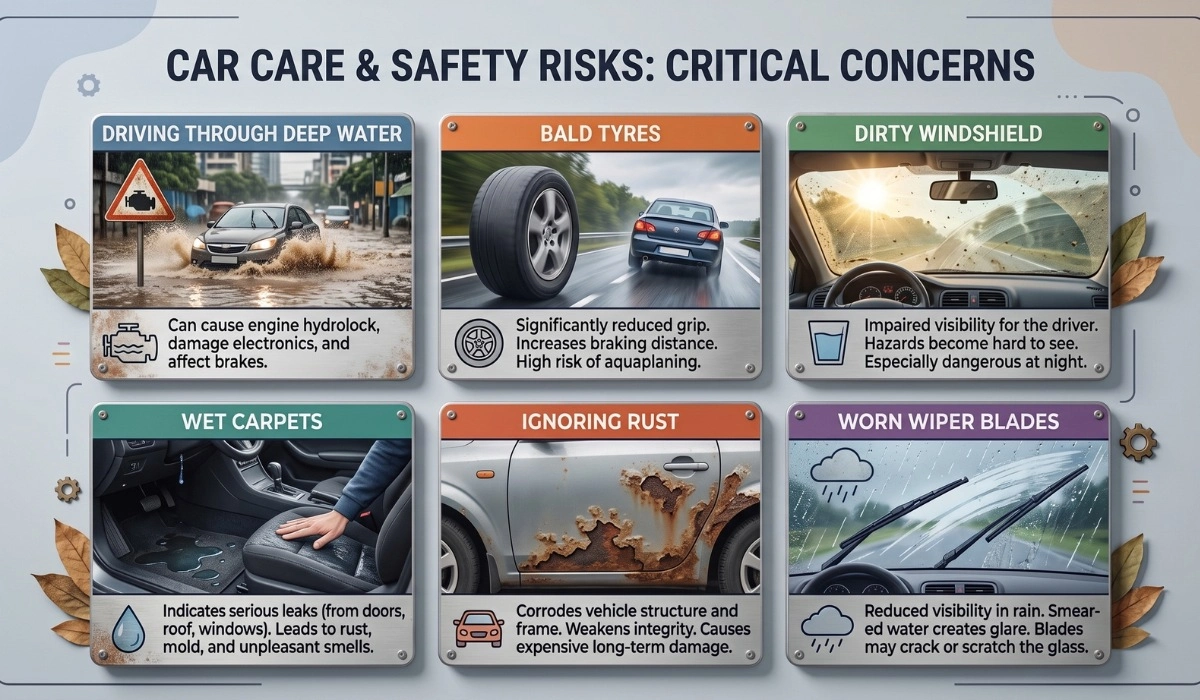
- Skipping Regular Car Washes: Rainwater does not clean your car. It leaves behind dirt, pollutants, and mineral deposits that can damage the paint if not removed.
- Ignoring the Underbody: Many car owners clean only the exterior while forgetting the underbody. This area collects mud and moisture, making it one of the first places where rust develops.
- Driving with Worn Tyres: Tyres with low tread depth provide poor grip on wet roads and increase the risk of hydroplaning.
- Delaying Brake Inspection: Brakes are essential for safe driving in the rain. If your brakes feel weak or make unusual noises, have them inspected immediately.
- Leaving Wet Floor Mats Inside: Wet carpets create unpleasant odours and encourage mould growth. Always dry floor mats thoroughly before placing them back in the car.
- Parking in Flood-Prone Areas: Waterlogged parking areas increase the risk of water entering the cabin or damaging electrical components.
- Ignoring Small Paint Damage: Minor scratches and paint chips expose bare metal to moisture. Repairing them early helps prevent rust.
Rainy Season Car Maintenance Checklist
Use this simple checklist to keep your vehicle in excellent condition throughout the monsoon.
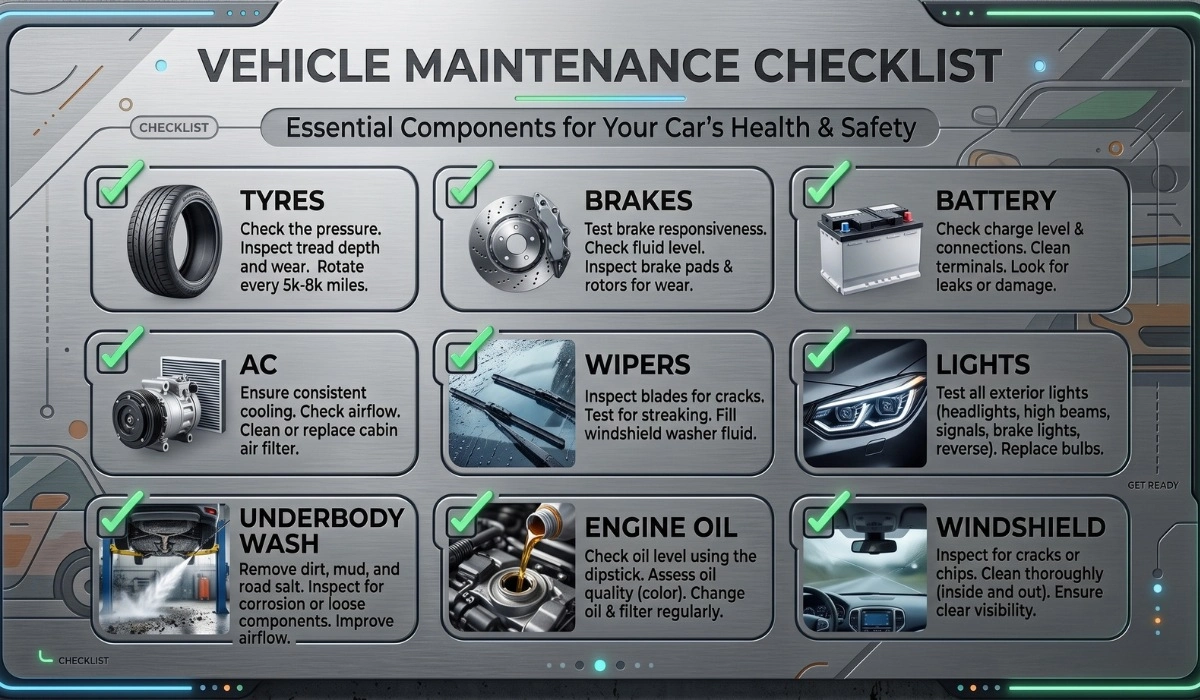
| Maintenance Task | Recommended Frequency |
| Wash the exterior | Every 7 to 10 days |
| Underbody cleaning | Every 2 to 4 weeks |
| Check tyre pressure | Weekly |
| Inspect tyre tread | Monthly |
| Clean windshield | Weekly |
| Refill the washer fluid | As required |
| Check brake performance | Monthly |
| Inspect battery terminals | Monthly |
| Test all lights | Monthly |
| Clean cabin and floor mats | Weekly |
| Inspect door seals | Monthly |
| Check wiper blades | Monthly |
| Service the AC if needed | Before or during the monsoon |
Following this checklist can help you identify small problems before they turn into expensive repairs.
Final Thoughts
The rainy season can be tough on your vehicle, but proper maintenance goes a long way in preventing unnecessary wear and costly repairs. A few simple habits, such as washing your car regularly, cleaning the underbody, checking tyre condition, maintaining the braking system, and keeping the cabin dry, can significantly improve your car's performance and reliability.
Learning how to take care of your car in the rain is not just about maintaining its appearance. It is about protecting your investment, improving road safety, and extending the life of your vehicle. Preventive maintenance always costs less than major repairs, and regular inspections help identify small issues before they become expensive problems.
Whether you drive daily through city traffic or plan weekend road trips during the monsoon, following the tips in this guide will help you enjoy safer and more comfortable journeys. By combining regular maintenance with responsible driving habits, you can confidently face the challenges of wet roads and changing weather conditions. Take care of your car today, and it will continue to take care of you for years to come.
Frequently Asked Questions
Q1. How can I protect my car from rain?
Ans. Wash your car regularly, clean the underbody, repair paint chips, apply wax or ceramic coating, inspect tyres and brakes, replace worn wiper blades, and park in a covered area whenever possible. These simple steps help protect your vehicle from rust, moisture, and paint damage.
Q2. How often should I wash my car during the rainy season?
Ans. If you drive regularly, wash your car every 7 to 10 days. If your vehicle frequently encounters muddy roads or standing water, wash it sooner to prevent dirt and contaminants from damaging the paint.
Q3. Is rainwater harmful to car paint?
Ans. Rainwater itself is not the only concern. It often contains dust, pollutants, and acidic particles that can leave stains and gradually affect your car's paint if left on the surface for long periods.
Q4. Should I wash my car after driving in heavy rain?
Ans. Yes. Washing your car removes mud, road grime, and contaminants that accumulate during rainy weather. Cleaning the underbody is especially important after driving through waterlogged roads.
Q5. Can rain damage my car's engine?
Ans. Light rain will not damage a properly maintained engine. However, driving through deep water can allow water to enter the engine through the air intake, leading to severe engine damage.
Q6. Is ceramic coating useful during the rainy season?
Ans. Yes. Ceramic coating creates a hydrophobic layer that repels water, reduces dirt buildup, and makes washing easier. While it does not eliminate maintenance, it helps keep the paint cleaner for longer.
Q7. How do I remove moisture from inside my car?
Ans. Dry wet floor mats, clean carpets regularly, use your car's air conditioner and defogger, and ensure the door seals are in good condition. Moisture absorbers can also help reduce humidity inside the cabin.
Q8. How often should I replace my wiper blades?
Ans. Most manufacturers recommend replacing wiper blades every six to twelve months. If they leave streaks, make noise, or fail to clear the windshield effectively, replace them immediately.
Q9. Why do my car windows fog up during rain?
Ans. Fog forms when warm, humid air inside the cabin comes into contact with the cooler glass. Using the air conditioner, defogger, or fresh air mode helps remove excess moisture and clear the windows.
Q10. Is it safe to drive through flooded roads?
Ans. No. Floodwater may hide potholes, damage electrical systems, or allow water to enter the engine. If the water level looks unsafe, turn around and choose another route.
Q11. Should I use a car cover during the rainy season?
Ans. A car cover can protect if it is waterproof, breathable, and used correctly. However, covering a wet or dirty car can trap moisture underneath, which may affect the paint over time. Always ensure the car is clean and dry before using a cover.
Q12. What should I check before a long drive during the monsoon?
Ans. Before starting your journey, inspect your tyres, brakes, battery, lights, windshield wipers, washer fluid, engine oil, coolant, and air conditioning system. Also, carry an emergency kit and monitor weather conditions if heavy rainfall is expected.
