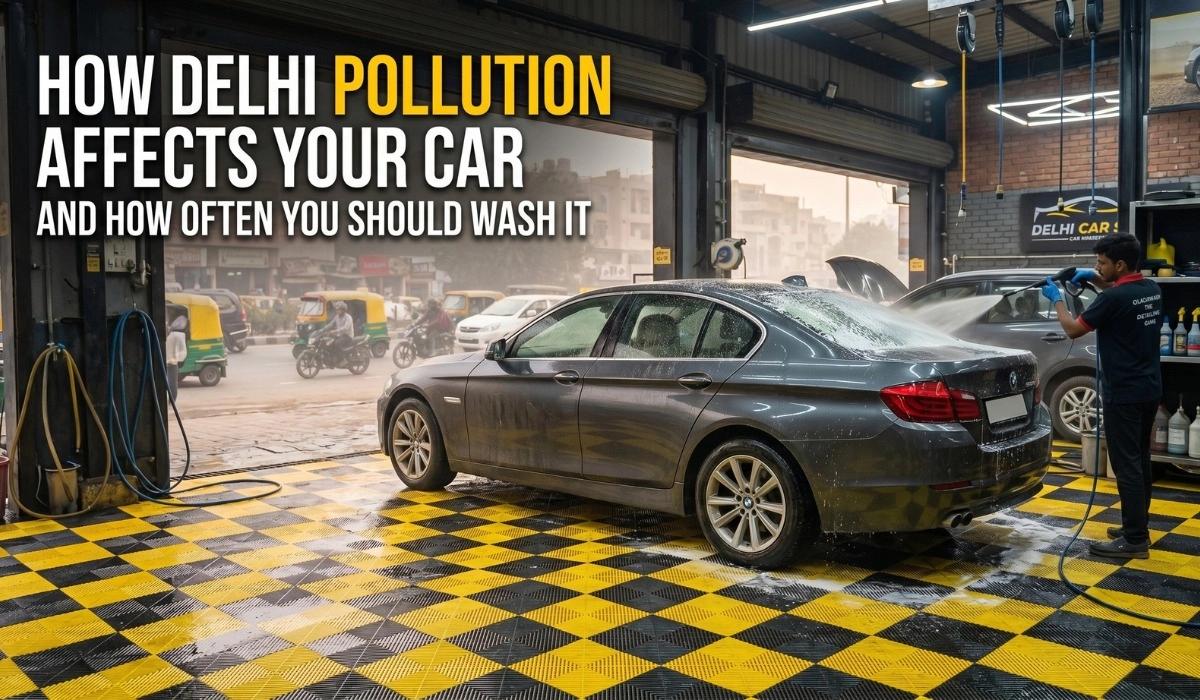
How Delhi Pollution Affects Your Car and How Often You Should Wash It
✏ A D Nath | 🔖 Car Care
Keeping a car clean in Delhi is not as simple as it sounds. The city’s roads, weather, and pollution levels make cars dirty much faster compared to many other cities in India. Even if you park your car in a covered space, dust, smog, bird droppings, and traffic grime can quickly affect the paint and overall appearance of your vehicle.
Many car owners in Delhi often ask the same question: how often should you wash your car in Delhi? The answer depends on several factors, like where you drive, how often you use the car, the season, and where you park it.
A car that travels daily through Ring Road traffic or Gurgaon expressways collects much more dirt than a car used only on weekends. During monsoon season, mud splashes and dirty water become a problem. In winter, smog and pollution leave a layer of contaminants on the paint and windshield. Even tree sap and bird droppings can damage your car if you ignore them for too long.
In this guide, we will explain the ideal car wash frequency in Delhi, how weather conditions affect cleaning schedules, and practical tips to keep your vehicle clean for longer.
How Often Should You Wash Your Car in Delhi?
Here is a simple breakdown based on driving conditions in Delhi and NCR.

| Driving Condition | Recommended Wash Frequency |
| Daily office commute | Once a week |
| Mostly covered parking | Every 10 to 14 days |
| During monsoon | Twice a week |
| Winter pollution season | Weekly exterior cleaning |
| Highway driving | After long trips |
| White cars in Delhi dust | Weekly recommended |
For most people, washing the car once every week works well. However, Delhi's weather and traffic conditions sometimes require more frequent cleaning.
Why Cars Get Dirty Faster in Delhi?
Delhi’s environment creates one of the toughest conditions for maintaining a clean car. Several factors contribute to faster dirt buildup and paint contamination.
Construction Dust Everywhere
Construction work across Delhi NCR creates constant dust in the air. Areas around Noida extensions, Dwarka Expressway, Gurgaon roads, and new infrastructure zones expose vehicles to fine particles every day. This dust settles on the paint surface and windshield. If left uncleaned for too long, it can cause minor scratches during wiping or cleaning.
Heavy Air Pollution
Delhi regularly experiences high pollution levels, especially during the winter months. Polluted air contains harmful particles that stick to your car’s exterior. This layer of pollution does not just make the vehicle look dirty. Over time, it can reduce paint shine and affect glass clarity.
Traffic Grime and Road Dirt
Daily traffic on Ring Road, Outer Ring Road, and Gurgaon expressways exposes cars to oil residue, smoke, and road grime. Vehicles driving close to buses, trucks, and construction vehicles collect even more dirt.
Bird Droppings and Tree Sap
Parking under trees may protect your car from sunlight, but it also increases the risk of bird droppings and sticky tree sap. Both can damage paint if not cleaned quickly. Bird droppings contain acidic elements that may leave permanent marks on the paint surface.
Pollen and Seasonal Contaminants
During seasonal changes, pollen and airborne particles settle on cars parked outdoors. These contaminants mix with moisture and create stubborn dirt patches.
According to Professional Car Detailers
Most professional car detailers in Delhi recommend washing vehicles at least once a week because pollution particles and fine dust settle quickly on the paint surface. Experts also suggest immediate cleaning after exposure to bird droppings, tree sap, or muddy rainwater because these contaminants can damage the clear coat if left untreated. Detailing professionals often notice early signs of paint oxidation and paint fading in cars that remain unwashed for long periods during Delhi’s summer and winter seasons.
How does Delhi Weather Changes Car Wash Frequency?
Delhi's weather changes drastically throughout the year. Each season affects your car differently, which is why your washing schedule should also change.
Summer Car Wash Routine in Delhi
Summer in Delhi brings extreme heat, dry winds, and dust storms. Cars parked outside collect layers of dust within hours.
Common Summer Problems
- Dust buildup
- Heat exposure
- Dry dirt accumulation
- Water spot formation
Recommended Frequency
During the summer, washing your car once a week is usually enough for regular use. If your car stays most of the time outdoors, you may need a quick exterior cleaning every few days. Avoid washing the car under direct sunlight because water spots dry quickly on hot surfaces.
Monsoon Car Wash Tips
Monsoon season creates different challenges for car owners. Rainwater mixes with mud, oil, and road dirt, making vehicles dirty very quickly.
Common Monsoon Problems
- Mud splashes
- Wet floor mats
- Underbody dirt
- Dirty water stains
- Foul smell inside the cabin
Recommended Frequency
During the monsoon, washing the exterior twice a week is ideal. You should also clean the underbody after driving through flooded roads or muddy streets. Underbody cleaning is important because mud and moisture can increase the risk of rust.
Winter Car Care in Delhi
Winter pollution in Delhi can affect your car more than most drivers expect. Smog particles mix with morning moisture and settle on the paint, windshield, and headlights. Over time, this pollution layer can increase paint contamination and reduce surface shine. Cars parked outdoors near busy roads often develop a dirty film within a few days during the peak winter pollution season.
If ignored regularly, these pollutants may slowly weaken clear coat protection and contribute to paint oxidation. Frequent windshield cleaning during winter is also important for driving safety because smog buildup can reduce visibility during early morning and night driving.
Common Winter Problems
- Smog residue
- Moisture spots
- Paint contamination
- Reduced windshield visibility
Recommended Frequency
Weekly exterior cleaning works best during winter. Cleaning the windshield and mirrors more often improves visibility and driving safety.
How Often Should You Wash Different Parts of the Car?
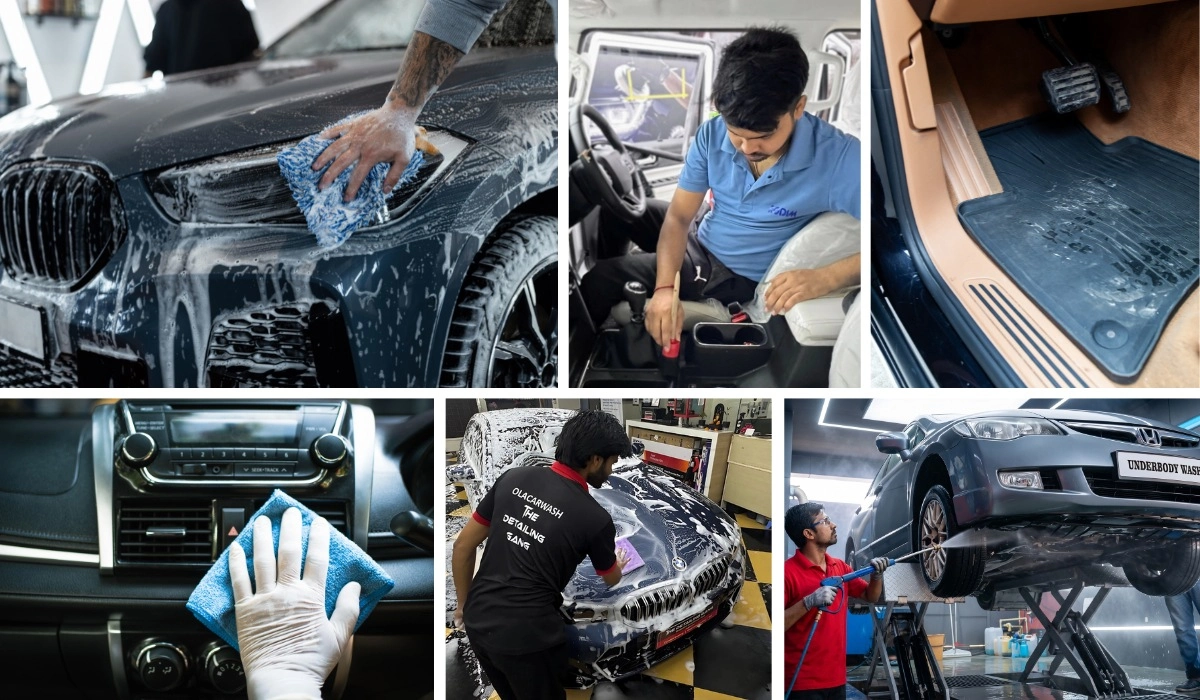
Different parts of the vehicle require different cleaning schedules. Many people only focus on the exterior and ignore areas that also need regular maintenance.
Exterior Cleaning
The exterior collects the most dirt and pollution.
Recommended Schedule: Wash once every week for normal Delhi driving conditions. If you travel daily through dusty roads or highways, you may need more frequent cleaning.
Interior Cleaning
Dust enters the cabin easily in Delhi, especially during summer and winter.
Recommended Schedule: Clean the interior every two weeks. Vacuum seats, floor mats, and dashboard areas regularly to avoid dust accumulation.
Underbody Cleaning
Underbody cleaning becomes extremely important during the monsoon season. Mud, dirty water, and road contaminants collect underneath the vehicle after driving through flooded roads and traffic-heavy areas.
If ignored for long periods, moisture and dirt underneath the car may increase the risk and damage important components. Regular underbody cleaning helps maintain the vehicle’s condition and supports a healthier long-term car maintenance schedule.
Quick Tip: Never wipe dry dust from your car using an old cloth or towel. Dust particles can create micro scratches on the paint surface and slowly reduce shine. Always use a clean microfiber cloth for safe dust removal.
Engine Bay Cleaning
The engine bay does not require frequent washing, but occasional cleaning helps maintain better performance and easier maintenance checks.
Seats and Floor Mats
Floor mats become dirty quickly during the monsoon and winter.
Recommended Schedule: Clean more often during the rainy season and after long trips.
Signs Your Car Needs Washing Immediately
Sometimes your vehicle needs immediate cleaning, even if your regular wash schedule is still a few days away. Here are some signs you should not ignore.
Here are some signs you should not ignore.
- Bird Droppings on Paint: Bird droppings can damage paint quickly under the Delhi heat. Clean them as soon as possible.
- Sticky Tree Sap: Tree sap hardens over time and becomes difficult to remove.
- Mud Around Wheel Arches: Mud buildup near wheel arches can trap moisture and increase rust risk.
- Water Spots: Hard water spots can leave permanent marks if ignored for too long.
- Smog Film on Windshield: A dirty windshield affects visibility, especially during winter nights.
Is Daily Car Washing Bad?
Many people think washing the car daily keeps it in perfect condition. In reality, excessive washing can sometimes damage the paint.
Recommended Schedule: Clean every few months. Always use professional cleaning methods for the engine area.
- Overwashing Can Cause Swirl Marks: Using rough cloth or dirty sponges repeatedly creates tiny scratches known as swirl marks.
- Hard Water Can Damage Paint: Delhi water often contains minerals that leave white stains after drying.
- Wrong Cleaning Materials Scratch the Surface: Old towels and rough cloths can damage paint quality over time.
Better Alternatives for Safe Washing
To protect your car, use proper cleaning products and techniques.
- Use Microfiber Cloths: Microfiber cloths reduce the risk of scratches and absorb dust better.
- Use pH-Balanced Car Shampoo: Regular detergents may remove protective coatings from the paint.
- Use Soft Water if Possible: Soft water helps reduce water spots and mineral deposits.
Weekly Car Cleaning Checklist for Delhi Drivers
- Wash the exterior once a week
- Clean the windshield and mirrors regularly
- Remove bird droppings immediately
- Vacuum floor mats and seats
- Check wheel arches for mud buildup
- Use microfiber cloths only
- Avoid washing under direct sunlight
- Inspect for water spots after washing
Recommended Schedule: Clean once a month or after driving through flooded roads.
Professional Car Wash vs Home Wash in Delhi
Many Delhi car owners wonder whether they should wash the car at home or visit a professional service center. Both options have advantages depending on your budget and convenience.
Home Car Wash
Advantages
- Lower cost
- Easy for quick cleaning
- Convenient for small touch-ups
Disadvantages
- Water restrictions in apartments
- Risk of scratches from improper tools
- Hard water issues
Professional Car Wash
Advantages
- Better equipment
- Foam wash options
- Steam cleaning availability
- Safer paint cleaning techniques
Disadvantages
- Higher cost
- Time required for appointments
Popular Professional Cleaning Methods
Foam Wash:
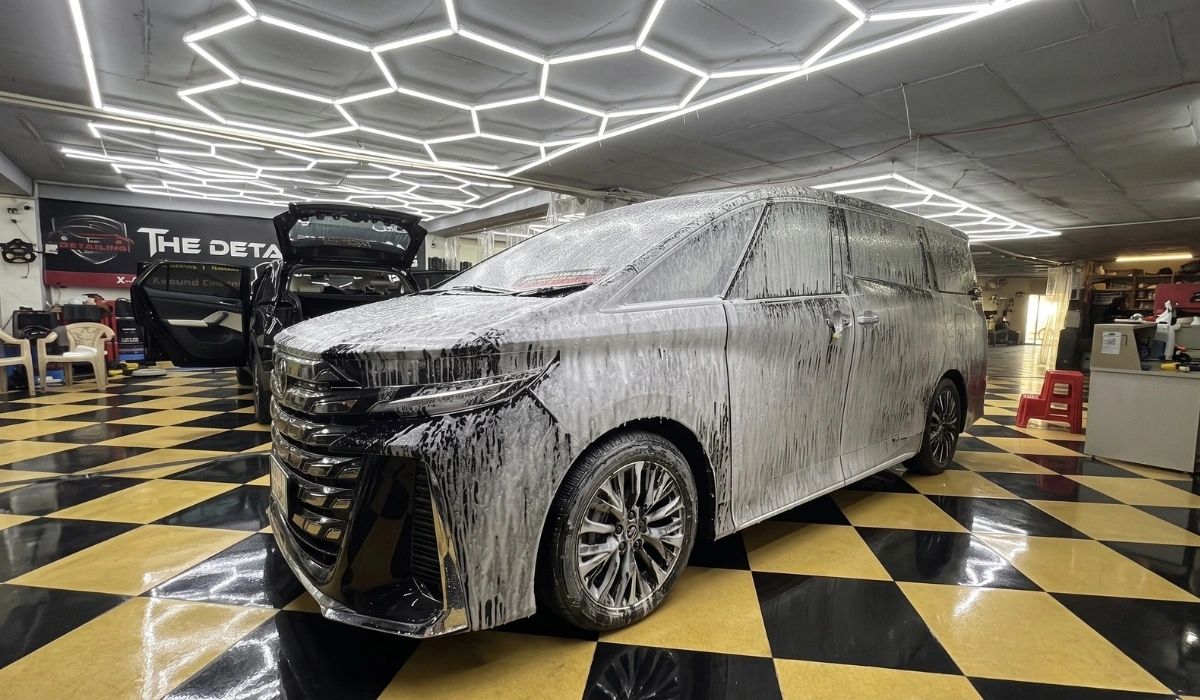
Foam washing is safer than traditional bucket washing because thick foam loosens dirt before physical wiping begins. This reduces friction on the paint surface and lowers the chances of swirl marks. Many professional detailing centers in Delhi now recommend foam washing for cars exposed to heavy dust and pollution. Foam cleaning also supports better clear coat protection and helps maintain paint shine for longer periods.
Waterless Wash: Useful for light dust cleaning and water-saving situations.
Steam Wash: Steam cleaning works well for interiors and engine bays.
Average Car Wash Cost in Delhi NCR
Car washing costs in Delhi depend on the cleaning method, vehicle size, and service quality.
| Car Wash Type | Average Delhi Cost |
| Basic exterior wash | ₹900 to ₹1200+ |
| Foam wash | ₹950 to ₹1200+ |
| Steam wash | ₹1500 to ₹3500+ |
| Interior detailing | ₹1500 to ₹3000+ |
| Ceramic coating maintenance wash | ₹5000+ and above |
Professional foam washing is becoming more popular in Delhi because it removes dirt safely without creating swirl marks. Steam washing is also preferred for interior detailing because it uses less water and cleans difficult areas effectively.
Tips to Keep Your Car Clean Longer in Delhi
Frequent washing becomes easier when you also take preventive steps to reduce dirt buildup.
- Use a Car Cover Carefully: A good-quality car cover protects against dust, but using a dirty cover may scratch the paint.
- Consider Ceramic Coating: Ceramic coating adds a protective layer that makes cleaning easier and improves paint protection.
- Avoid Parking Under Trees: Trees increase the chances of bird droppings and sap stains.
- Use a Microfiber Duster: Quick dusting between washes helps maintain cleanliness.
- Apply Rain Protection Sprays: Rain repellent sprays improve visibility during the monsoon season
Best Time to Wash Your Car in Delhi
The best time to wash your car is early morning or evening when the surface remains cool. Avoid washing under direct sunlight because the water dries too quickly and leaves stains. During summer, washing in shaded areas protects the paint from sudden temperature changes.
Common Mistakes Delhi Car Owners Make
Many people unintentionally damage their car while trying to keep it clean.
- Using Household Detergent: Detergents remove wax and protective coatings.
- Wiping Dry Dust: Dry wiping creates scratches on the paint surface.
- Ignoring Underbody Cleaning: Mud and moisture underneath the car increase rust risk.
- Delaying Bird Dropping Removal: Acidic stains can permanently damage paint.
Final Thoughts
So, how often should you wash your car in Delhi?. For most Delhi car owners, washing the car once a week is the ideal routine. However, vehicles exposed to construction dust, heavy traffic, monsoon roads, and winter pollution may require more frequent cleaning to maintain proper paint protection and visibility.
Delhi’s environment is tough on vehicles. Dust, smog, UV damage, muddy roads, bird droppings, and pollution can slowly affect paint quality, clear coat protection, and overall appearance if regular cleaning is ignored. Consistent washing is not only about keeping the car shiny. It helps reduce paint contamination, prevents long-term damage, improves driving safety, and even protects resale value over time.
Using proper washing methods, microfiber cloths, pH-balanced shampoos, and regular detailing practices can make a noticeable difference in maintaining your car’s condition in Delhi NCR. A smart car wash routine today can help you avoid expensive paint correction and detailing costs in the future.
Frequently Asked Questions
Q1. Does Delhi pollution damage car paint?
Ans. Yes. Delhi pollution, smog, and airborne dust particles can slowly damage your car’s paint if the surface is not cleaned regularly. Over time, these contaminants may reduce paint shine, weaken clear coat protection, and increase paint contamination.
Q2. Is weekly car washing enough in Delhi?
Ans. For most cars, washing once a week is enough for normal driving conditions in Delhi. However, vehicles exposed to heavy traffic, construction dust, highways, or monsoon mud may require cleaning more frequently.
Q3. Should you wash your car after it rains?
Ans. Yes. Rainwater in Delhi often carries pollutants, dirt, and acidic particles that can leave stains on the paint and windshield after drying. Washing the car after rain helps prevent water spots and surface contamination.
Q4. Can hard water damage car paint?
Ans. Yes. Hard water can leave mineral deposits and water spots on paint, windows, and mirrors. If ignored for long periods, these stains may affect paint clarity and surface finish.
Q5. How often should white cars be cleaned in Delhi?
Ans. White cars usually show dust, pollution, and road grime much faster than darker colors. In Delhi conditions, washing white cars at least once a week helps maintain a cleaner appearance and better paint condition.
Q6. How frequently should I wash my car?
Ans. For most car owners, washing your car once a week is enough to keep it clean and protect the paint. If you drive daily on dusty roads, highways, or in cities with high pollution like Delhi, your car may need washing every 3 to 5 days. During the monsoon season, washing your car more often helps remove mud, road grime, and dirty rainwater that can damage the paint over time.
Q7. Is car washing allowed in Delhi?
Ans. Yes, car washing is allowed in Delhi, but you should follow local water conservation rules and the guidelines of your residential society. Many apartments limit washing vehicles with excessive water. In such cases, professional car wash services, waterless car wash methods, or steam car washing are good alternatives because they use less water while providing effective cleaning.
Q8. How often should you wash your car in India?
Ans. The ideal car wash frequency in India depends on your location, driving habits, and weather. Most experts recommend washing your car once every week. If you live in a dusty city, drive regularly on highways, or experience heavy rainfall, cleaning your car more frequently helps protect the paint, improve visibility, and maintain its appearance.
Q9. How frequently should I take my car to the car wash?
Ans. For regular maintenance, visiting a professional car wash once every one or two weeks is a good practice. If your car has ceramic coating or paint protection film, following the maintenance schedule recommended by the installer will help maintain the protective layer. Professional foam washing also reduces the risk of swirl marks compared to improper home washing.
Q10. What happens if I don't wash my car often?
Ans. Not washing your car regularly allows dust, pollution, bird droppings, tree sap, and road grime to stay on the paint surface for a long time. These contaminants can damage the clear coat, reduce paint shine, and eventually lead to paint oxidation and fading. Dirt on the windshield and headlights can also reduce visibility, making driving less safe.
Q11. What is the hardest car color to maintain?
Ans. Black is generally considered the hardest car color to maintain. It easily shows dust, fingerprints, water spots, swirl marks, and minor scratches. Keeping a black car looking clean usually requires frequent washing, careful drying with microfiber cloths, and regular paint protection through waxing or ceramic coating.
Q12. Which color car gets dirtier faster?
Ans. White cars usually show dust, mud, and pollution more quickly, especially in cities like Delhi with high levels of construction dust and air pollution. Black cars also appear dirty quickly because they highlight water spots and fingerprints. Regular car washing helps maintain both colors and keeps the paint looking fresh.
Q13. Which color car has the highest resale value?
Ans. Neutral colors such as white, silver, gray, and black usually have the highest resale value because they appeal to a wider range of buyers. White remains one of the most popular car colors in India due to its timeless appearance, lower heat absorption, and strong demand in the used car market.
Q14. What color car is the least stolen?
Ans. There is no evidence that a specific car color is less likely to be stolen. Vehicle theft usually depends on factors such as the make, model, location, and security features rather than the color. Installing anti-theft devices, parking in secure locations, and using GPS tracking systems are far more effective ways to protect your vehicle than choosing a particular paint color.
 Recent Posts