PPF for Black Cars: Pros, Cons and Maintenance
✏ A D Nath | 🔖 Car Detailing
A black car has a unique appeal. Its deep colour, glossy finish and clean reflections can make it look premium on the road. However, keeping black paint looking fresh is not always easy. Dust, water spots, fine scratches, and swirl marks can become noticeable, especially under direct sunlight.
This is why many car owners consider Paint Protection Film, commonly known as PPF. It creates a protective layer over the original paint and helps reduce the risk of damage from road debris, small stone chips and everyday use. But is PPF worth it for a black car? Does it prevent swirl marks, and does it make maintenance easier?
In this guide, we will explain the benefits and disadvantages of PPF for black cars, how to maintain it properly, and when it makes sense to choose PPF over ceramic coating.
Table of Contents:
- Why Black Cars Need Special Paint Care
- What Is PPF for Black Cars?
- Benefits of PPF on Black Cars
- Disadvantages of PPF on Black Cars
- How to Maintain PPF on a Black Car
- PPF vs Ceramic Coating for Black Cars
- Is PPF Worth It for a Black Car?
- Final Verdict
- Frequently Asked Questions About PPF for Black Cars
Why Black Cars Need Special Paint Care?
Black paint looks impressive when clean, but it can also reveal surface imperfections more clearly than lighter colours. This doesn't mean black paint is less durable. The main difference is how easily marks and defects show against a dark, reflective surface.
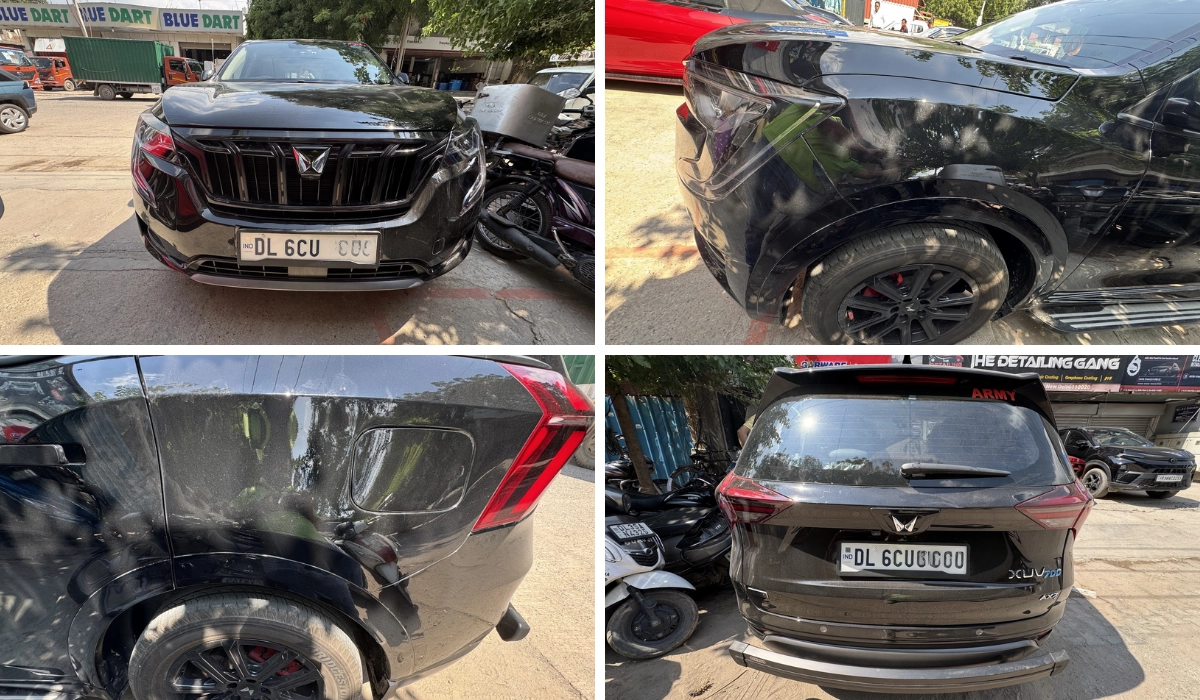
Why are swirl marks noticeable on black paint?
Swirl marks are fine scratches that often appear as circular patterns under sunlight or inspection lights. They can form when dirt rubs across the paint during washing, when you use an unsuitable cloth, or when you wipe the car without removing loose dust first.
On a black car, these marks can reduce the depth and clarity of the finish. Even a recently washed vehicle may look dull when viewed under strong lighting.
Dust, water spots, and everyday exposure
Dust and road grime settle quickly on cars, particularly when they are parked outdoors. Hard water can also leave mineral deposits when droplets dry on the surface. Bird droppings, insect residue and tree sap may cause staining if they remain for too long.
Regular washing helps control these problems, but careful handling is equally important. This is where a suitable paint protection solution can help.
What Is PPF for Black Cars?
Paint Protection Film is a protective film installed over painted vehicle panels. Modern films are often made from thermoplastic polyurethane, commonly called TPU, and are designed to provide a layer of defence against certain forms of physical damage.
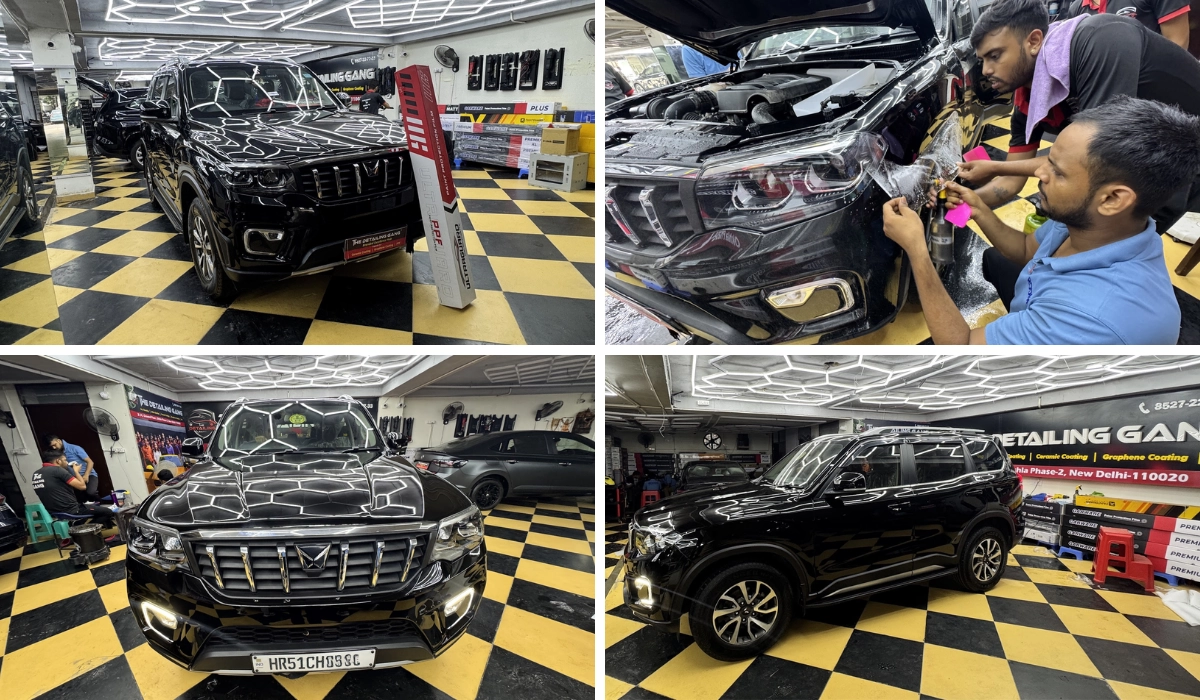
Clear PPF is a popular choice for black cars because it helps protect the original paint while retaining the vehicle's factory colour. The final appearance depends on the film, the condition of the paint and the quality of installation.
Gloss PPF vs matte PPF
- Gloss PPF is suitable for owners who want to maintain the original glossy appearance of their black car. A good quality film can provide a smooth finish, although the exact level of gloss depends on the product.
- Matte or satin PPF creates a different look by reducing the shine of the paint. It is worth considering if you prefer a more understated finish, but the change in appearance should be intentional.
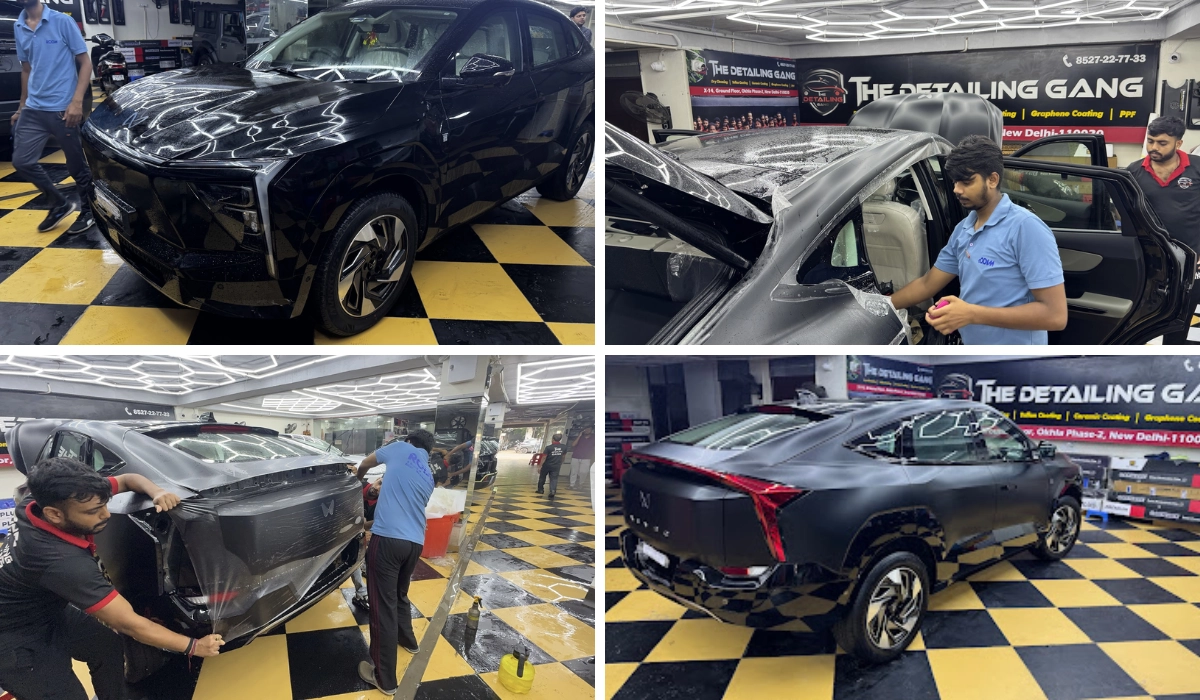
Before choosing either option, ask the installer to show you samples on a similar paint colour. This helps you understand how the finish may look in natural light.
Benefits of PPF on Black Cars
1. Helps protect against stone chips
- Stone chips are a common concern for cars driven on highways and roads with loose gravel. Small pieces of debris can strike the front bumper, bonnet, side mirrors and other exposed areas, damaging the paint.
- PPF creates a protective layer that can absorb or resist some of these impacts. It is especially useful on vulnerable panels that regularly face road debris.
- However, no film can guarantee protection against every impact. Larger stones, sharp objects and severe collisions can still damage the film and the paint underneath.
2. Reduces the risk of paint damage
- Daily driving exposes a car to more than just stone chips. Minor scrapes, light contact and other surface hazards can affect the paint over time.
- PPF provides an additional layer between these hazards and the original finish. If the film is damaged, replacing the affected section may be preferable to repainting the panel, depending on the extent of the damage.
3. Can reduce the appearance of light scratches
- Some modern PPF products have a self-healing topcoat. Under the conditions specified by the manufacturer, this layer can help minor surface marks become less visible.
- This feature is useful for black cars because even fine marks can affect the appearance of glossy paint.
- Self-healing does not mean the film repairs every scratch. Deep cuts, punctures and serious damage may require professional repair or film replacement.
4. Helps preserve the original paint
- Since PPF covers the painted surface, it can help protect the covered areas from certain types of everyday damage and environmental contamination.
- This can be valuable if you plan to keep your black car for several years and want to maintain its original finish. The level of protection depends on the film quality, coverage and how well it is maintained.
5. Can make cleaning easier
- Some PPF products have hydrophobic properties that help water move off the surface more easily. Certain compatible surface treatments can also improve water repellency and help dirt release during washing.
- However, PPF does not make a car maintenance-free. Dust can still settle on the surface, and water spots may develop if water is allowed to dry on the film.
Disadvantages of PPF on Black Cars
PPF offers useful protection, but it also has some drawbacks that should be considered before installation.
1. High initial cost
- The cost of PPF depends on the vehicle size, film brand, film type, panel coverage and installation quality. Full-body PPF generally costs more than protecting only the front bumper, bonnet, mirrors and other high-impact areas.
- For owners on a budget, protecting the most exposed panels may be a practical alternative. The right coverage depends on your driving habits and how long you intend to keep the vehicle.
2. Installation quality affects the appearance
- Black paint reflects light strongly, so installation imperfections may be easier to notice. Dust trapped beneath the film, visible edges, bubbles and uneven alignment can affect the final result.
- Proper surface preparation is important. If the original paint has scratches or defects, these should be assessed before installation because film is not designed to correct existing paint damage.
- Always inspect the installation under good lighting and discuss the expected finish with your installer.
3. PPF can yellow or deteriorate
- Some films may develop yellowing, staining, loss of clarity or edge lifting over time. These problems can depend on product quality, age, environmental exposure, installation and maintenance.
- Discolouration can be particularly noticeable on black paint. Choose a reputable product and review its warranty conditions carefully. Check what is covered, how long the coverage lasts and which exclusions apply.
- A warranty should not be treated as a guarantee that the film will remain perfect under every condition.
4. PPF does not prevent every scratch or dent
- PPF can reduce the risk of certain types of surface damage, but it is not a substitute for careful driving and parking.
- Sharp objects, deep cuts, heavy impacts, and accidents can still damage the vehicle. A damaged film may need professional assessment and replacement.
5. Maintenance is still necessary
- Although PPF helps protect the paint, the film itself needs care. Incorrect washing, harsh chemicals, and excessive pressure around film edges can cause problems.
- Owners must still wash their cars regularly, remove stubborn contaminants promptly, and inspect the film from time to time. Neglecting maintenance can affect both appearance and lifespan.
How to Maintain PPF on a Black Car
Proper maintenance is one of the most important parts of protecting a black car. The aim is to remove dirt without creating unnecessary friction or damaging the film.
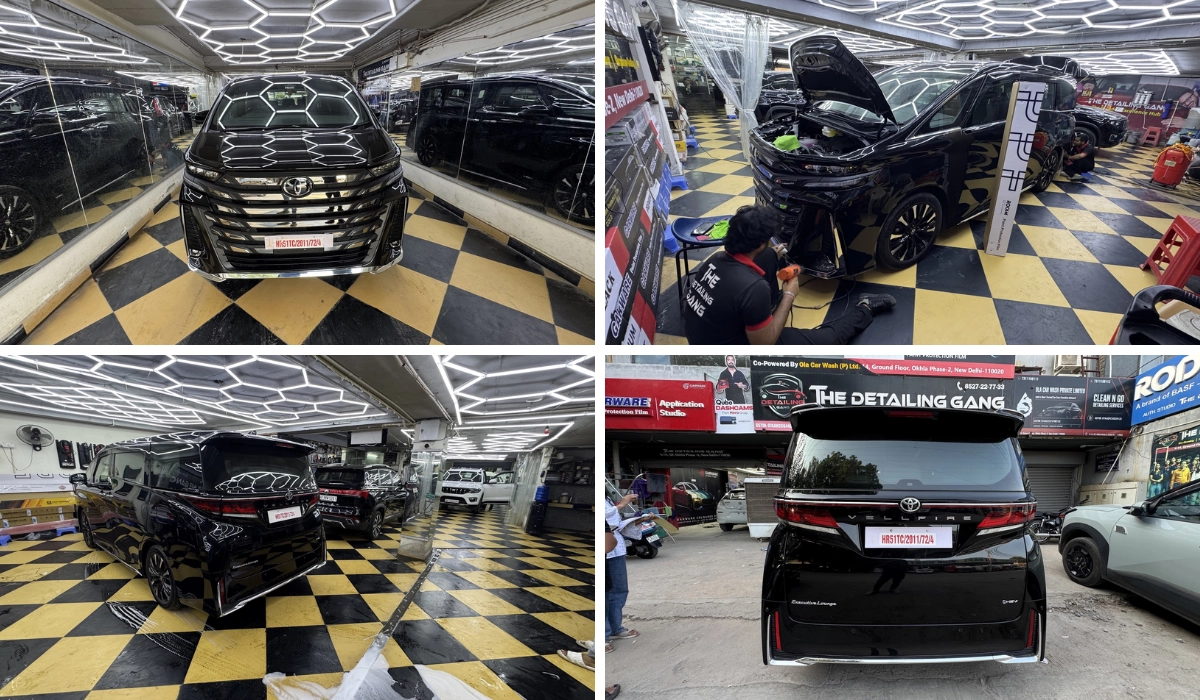
1. Follow the correct washing method
- Begin by rinsing the car to remove loose dust and grit. Avoid rubbing a dry, dusty surface because the particles can cause fine scratches.
- Use a car shampoo that is compatible with your PPF and a clean, soft microfiber wash mitt. Wash gently, working in manageable sections and rinsing the mitt frequently.
- A two-bucket wash method can help keep dirt away from the clean washing solution. Always follow the film manufacturer's care instructions.
2. Dry the car properly
- Water droplets can leave marks when minerals remain behind after evaporation. These spots are often more noticeable on black vehicles.
- After rinsing, dry the car using a clean, soft microfiber drying towel or a suitable air blower. Avoid rough towels and unnecessary rubbing.
- Whenever possible, wash your car in a shaded area and allow the surface to cool before cleaning.
3. Remove bird droppings and other contaminants promptly
- Bird droppings, insect remains and tree sap should not be left on the film for long periods. Depending on their composition and the conditions, these contaminants may stain or damage the surface.
- Soften the affected area with an appropriate cleaner or water according to the manufacturer's instructions. Remove the residue gently rather than scraping or rubbing it aggressively.
- If a stain remains after normal cleaning, seek advice from your installer before using stronger chemicals.
4. Avoid harsh chemicals and abrasive products
- Avoid abrasive rubbing compounds, rough brushes and cleaning products that are not approved for your particular film. These can damage the surface or affect its appearance.
- Do not assume every wax, sealant or ceramic coating is suitable for PPF. Check product compatibility before application.
- If the film develops scratches that do not respond to normal care, ask a professional to assess whether the surface can be treated or the section needs replacement.
5. Be careful with pressure washers
- Pressure washers can be useful for removing loose dirt, but directing a strong jet at film edges may cause lifting.
- Maintain a safe distance, use an appropriate spray setting and avoid directing high pressure towards seams or edges. Follow the film manufacturer's recommendations and your installer's instructions.
6. Check the film regularly
- Inspect your PPF occasionally for lifting edges, unusual discoloration, persistent stains or visible damage. Early attention may prevent a small issue from becoming more difficult to manage.
- The time between washes depends on your driving conditions. A practical starting point is to wash the car every one to two weeks and adjust the schedule according to dust, rain, outdoor parking and daily use.
- For a newly installed film, follow the installer's specific instructions about curing time and when the first wash is safe.
PPF vs Ceramic Coating for Black Cars
PPF and ceramic coating serve different purposes. Understanding the difference helps you choose a suitable protection option for your vehicle.
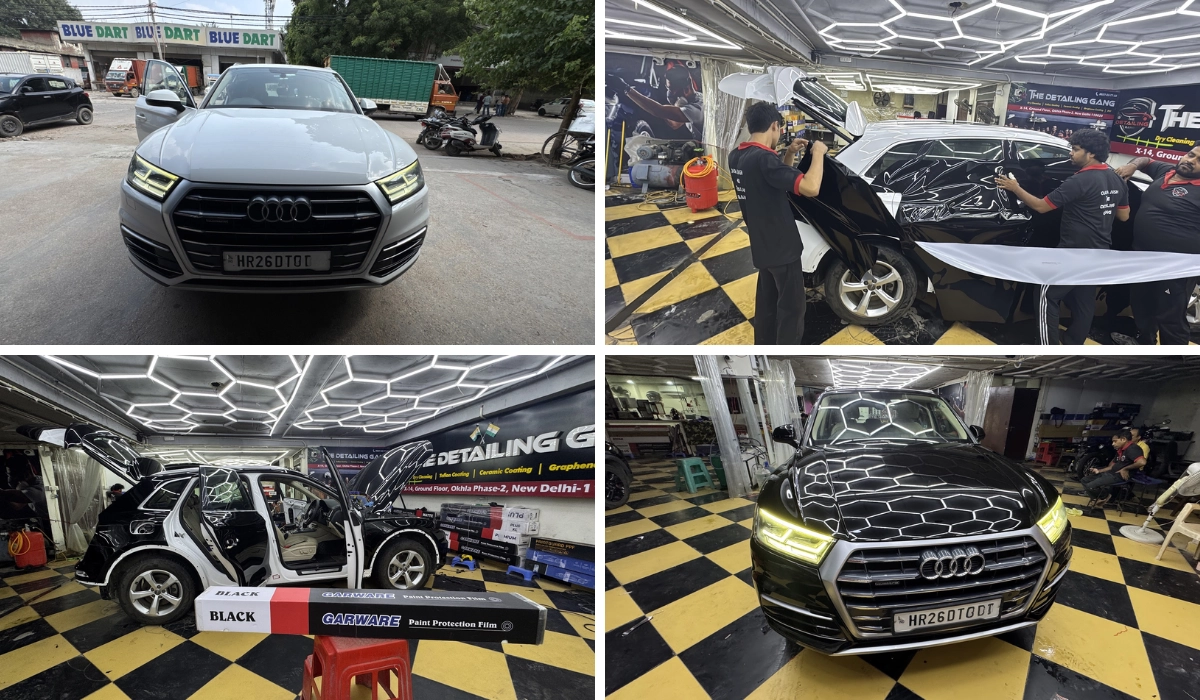
- PPF is primarily designed to provide a physical protective layer against certain impacts and surface damage. Ceramic coating is mainly used to improve surface characteristics such as water repellency, gloss and ease of cleaning.
- Ceramic coating does not offer stone-chip protection comparable to PPF.
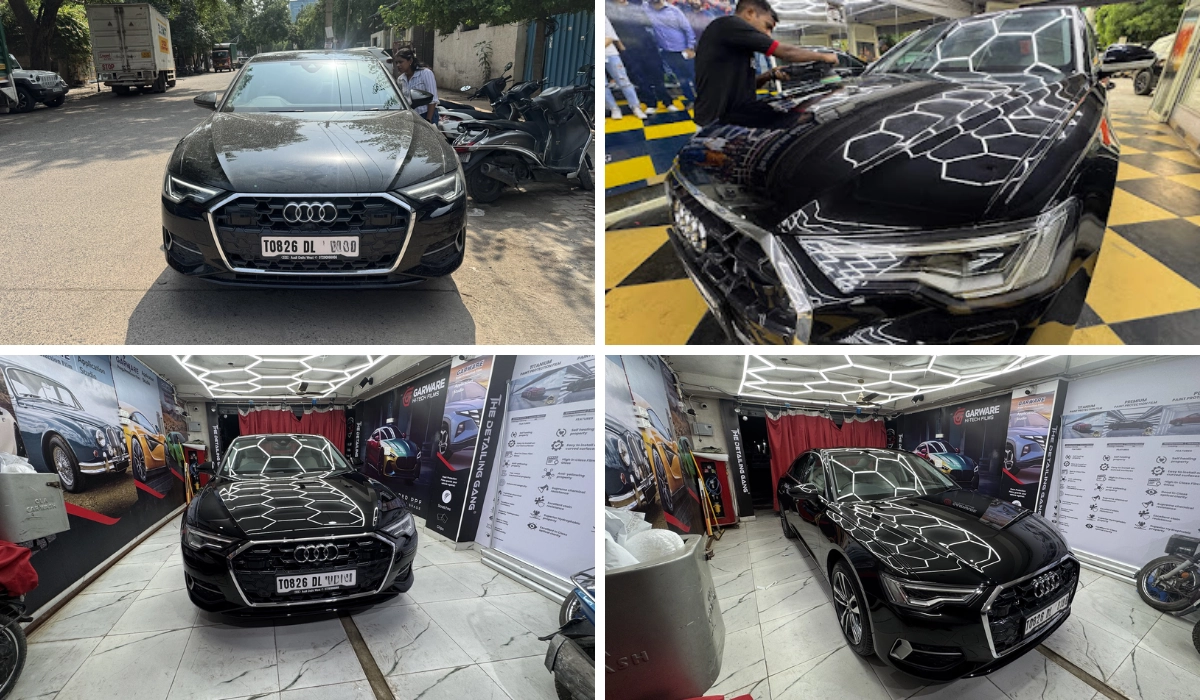
For a black car that is frequently driven on highways, PPF may be particularly useful on the front bumper, bonnet, mirrors and other exposed panels. If your main aim is easier cleaning and improved water behaviour, ceramic coating may be sufficient for your needs.
You can also apply a compatible ceramic coating over PPF if the film manufacturer permits it. This may improve maintenance and water repellency, but it does not replace the film's physical protection. The best choice depends on your budget, driving conditions, preferred appearance and expectations.
Is PPF Worth It for a Black Car?
PPF can be a worthwhile investment if you want to protect the original paint of your black car and reduce the risk of stone chips and minor surface damage. It is especially worth considering if you drive frequently on highways, park outdoors, use your car daily or plan to keep it for several years.
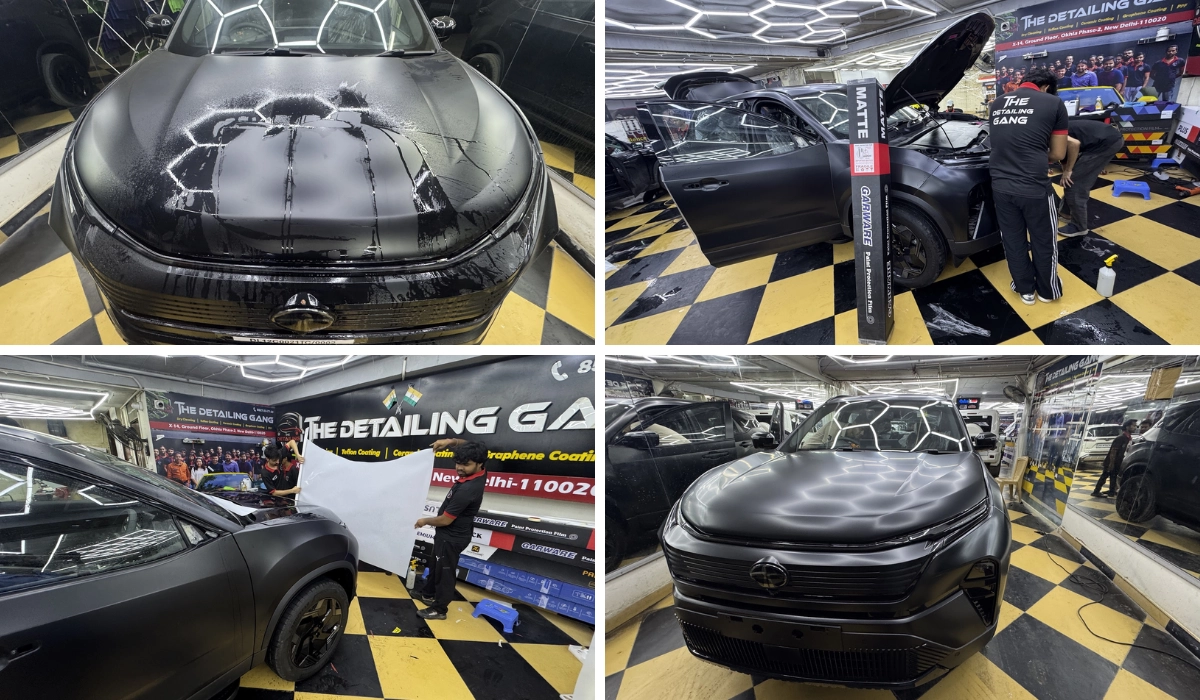
However, full-body PPF may not be necessary for every owner. If your budget is limited, protecting the most exposed panels can offer a more targeted approach. Before making a decision, compare film quality, installation standards, warranty coverage and the cost of future repairs. A low installation price is not always the best value if the work or film quality is poor.
Also remember that PPF does not guarantee a perfect finish forever. The result depends on the condition of the original paint, the quality of the installation and the care you provide afterwards.
Final Verdict
A black car can look stunning, but maintaining its glossy finish requires the right care. Paint Protection Film offers an additional layer of protection against stone chips and some everyday surface damage, making it worth considering for owners who want to preserve their original paint.
The most important factors are choosing a suitable film, getting it installed properly and following the recommended maintenance routine. Regular washing, careful drying and prompt removal of contaminants can help keep the film looking its best.
Before investing in PPF, compare your protection needs with your budget and driving habits. A well-chosen film with proper care can be a practical way to protect your black car without expecting it to prevent every type of damage.
Frequently Asked Questions
Q1. Is PPF worth it for a black car?
Ans. Yes, PPF can be worthwhile for black cars because it helps protect covered areas from stone chips and some minor surface damage. Whether you need full-body coverage depends on your budget, driving conditions and how long you plan to keep the car.
Q2. Does PPF prevent swirl marks on black paint?
Ans. PPF can reduce the risk of certain scratches reaching the original paint. Some films can also self-heal light surface marks under suitable conditions. However, improper washing can still leave visible marks on the film itself.
Q3. Does PPF turn yellow on black cars?
Ans. Some films may yellow or lose clarity over time, depending on their quality, age, exposure and maintenance. Choose a reputable product and review its warranty rather than assuming that every film will age in the same way.
Q4. Can I apply ceramic coating over PPF?
Ans. Yes, if the film manufacturer confirms that the coating is compatible. Ceramic coating can improve water repellency and cleaning, but it does not provide the same type of physical protection as PPF.
Q5. Is gloss PPF better than matte PPF for a black car?
Ans. Gloss PPF is generally the choice for owners who want to retain a shiny black appearance. Matte PPF creates a different finish. The better option depends on your preferred look and the characteristics of the specific film.
Q6. How often should I wash a black car with PPF?
Ans. Every one to two weeks is a reasonable starting point for many vehicles. Adjust the schedule to the amount of dust, road grime and outdoor exposure. Remove stubborn contaminants promptly and follow the manufacturer's maintenance instructions.
Q7. Can PPF be removed without damaging the paint?
Ans. Professional removal is recommended. The result depends on the film's age, adhesive condition, paint quality and any previous repairs. No removal method can guarantee that every surface will remain unaffected.
Q8. Does PPF protect against deep scratches and dents?
Ans. No. PPF can resist certain minor impacts and surface damage, but deep scratches, sharp cuts, dents and severe impacts can still damage the film and the paint beneath it.
