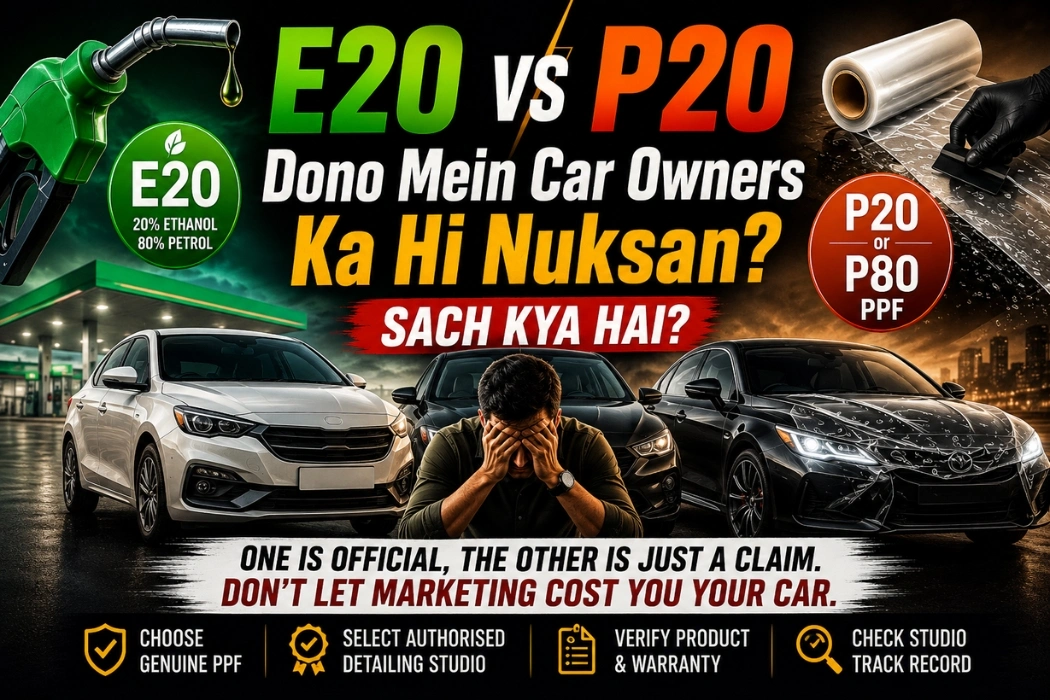
E20 vs P20: Dono Mein Car Owners Ka Hi Nuksan? Sach Kya Hai?
✏ A D Nath | 🔖 Car Care
E20 is now an officially recognized fuel standard used in the automotive industry. P20, on the other hand, is not an officially recognized grading system for Paint Protection Film (PPF). The purpose of this article is not to compare fuel with Paint Protection Film or comment on E20 fuel. Instead, it highlights an important lesson for every car owner: always verify technical claims before spending your hard-earned money.
Whether you're planning to install Car PPF on a brand-new vehicle or searching for the Best Paint Protection Film for your existing car, understanding what is genuine and what is simply marketing can save you from an expensive mistake.
We Can't Help You with E20, But We Can Help You Avoid P20
When it comes to E20 fuel, the automotive industry has already set its own standards, and vehicle manufacturers clearly specify whether a car is compatible or not. But when it comes to terms like "P20", "P80", or similar names used in the Paint Protection Film (PPF) market, car owners should be much more careful. So, how can you protect yourself from making the wrong decision?
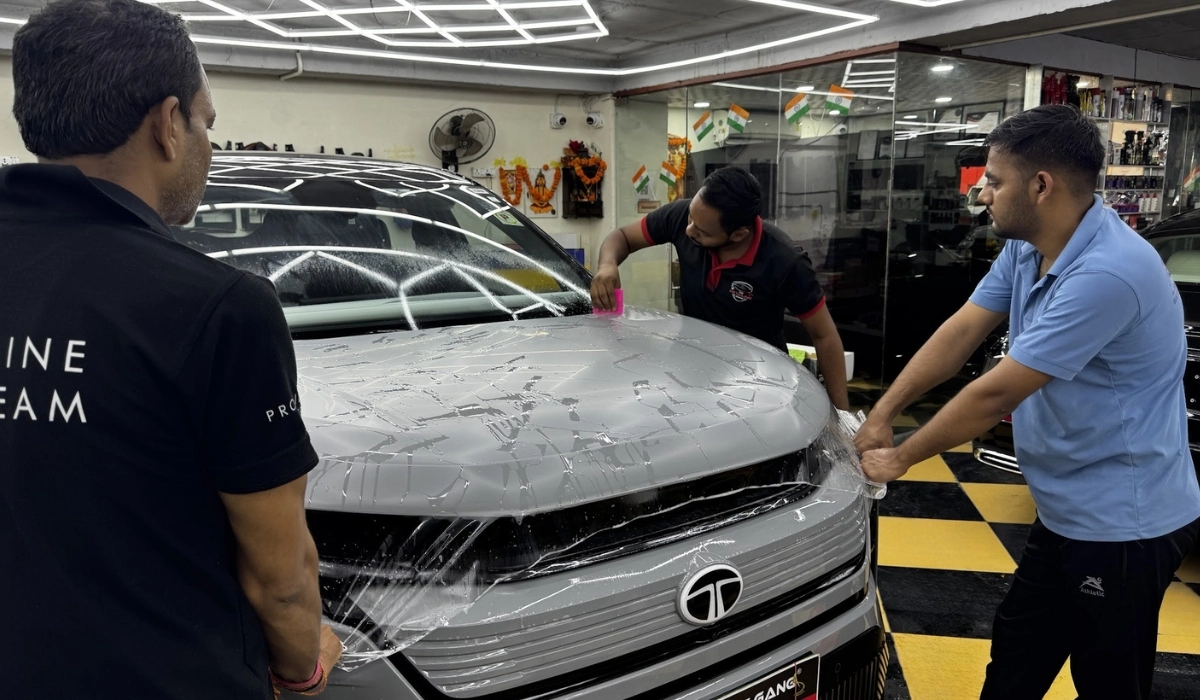
Here are a few simple rules:
- Don't install PPF just because everyone else is doing it.
- Always choose a genuine, branded Paint Protection Film (Original PPF).
- Buy from a reputed car detailing studio offering professional car detailing services.
- Before finalising any studio, verify your PPF installer with the PPF manufacturer
- Check customer reviews, warranty support, installation quality, and the studio's track record before making your decision.
What is the Real Story Behind "P20" or "P80"?
Let me explain this with a simple example.
Imagine someone gives you a glass of clean-looking water. It may look perfectly clear, but can you be certain it's safe to drink?
Now compare that with a sealed bottle from a trusted brand. The water inside may look the same, but the brand gives you confidence because it adheres to quality standards and has earned its customers' trust.
The same logic applies to Paint Protection Film (PPF).
Two Paint Protection Film for Cars products may look almost identical on the day of installation, but appearance alone doesn't guarantee quality. A low-quality or unverified film may start showing problems after a few months, such as yellowing, peeling edges, poor adhesive strength, reduced gloss, or weak self-healing performance.
That's why you should never judge a PPF only by how it looks. Always verify the brand, the warranty, and the installer before investing.
Where Do Customers Usually Make Mistakes?
Many buying decisions are influenced by:
- Heavy discounts
- Free accessories or gifts
- Limited-time offers
- Excessive bargaining
- Attractive marketing promises
Promotional offers are not necessarily wrong, and many genuine businesses also provide them. However, they should never be the only reason for choosing a Paint Protection Film. When you're investing ₹50,000 to ₹3,00,000 or more in PPF, your focus should always be on the quality of the Premium Paint Protection Film, the manufacturer's warranty, and the credibility of the detailing studio.
Experienced buyers usually spend more time verifying the product than negotiating the price. That's one of the reasons they often make better long-term decisions for both their cars and their money.
What Does E20 Mean? Understanding the Official E20 Fuel Standard?
E20 stands for petrol that contains 20% ethanol and 80% petrol. After 2023, car manufacturers will clearly mention whether a vehicle is E20 compatible. You can verify this through:
- The owner's manual
- The manufacturer's website
- Authorized dealerships
Everything is transparent and backed by official documentation. There is no guessing involved.
Does P20 Exist in the Paint Protection Film (PPF) Industry?
The simple answer is no!. There is no officially recognized P20 standard in the paint protection film industry. There is no international grading system that classifies TPU Paint Protection Film as:
- P20
- P40
- P60
- P80
- P100
No global premium PPF manufacturer publishes products under these names as an industry standard. Just because a number sounds technical doesn't automatically make it an industry standard. The purpose of mentioning "P20" in this article is symbolic. It represents every technical term that customers accept without verification.
Read More:
E20 vs P20: Why This Comparison Matters for Every Car Owner?
The purpose of comparing E20 with "P20" is simple. Consumers often trust technical terms because they sound official. Unfortunately, not every technical-looking word represents an actual industry standard.
Just because something has a number attached to it does not automatically make it genuine. As a customer, your best protection is complete information regarding the studio and the PPF.
Why Verifying a Genuine PPF Installation Matters More Than Marketing?
Imagine you are buying a gold necklace.
- Would you purchase it without checking its purity certificate? (Probably not).
Imagine buying the latest iPhone.
- Would you spend lakhs without verifying authenticity? Again, probably not.
Then why do so many people buy paint protection film based only on:
A premium PPF often costs between ₹50,000 and ₹ 3,00,000, or more, depending on the vehicle and brand. Since Paint Protection Film is a significant investment, it deserves proper research before making a decision.
The Grey Market Problem in the PPF Industrys
India's automotive detailing industry has grown rapidly. Along with trusted brands and professional installers, the market has also seen an increase in:
- Duplicate packaging
- Misleading marketing
- Unauthorized installations
- Unverified product claims
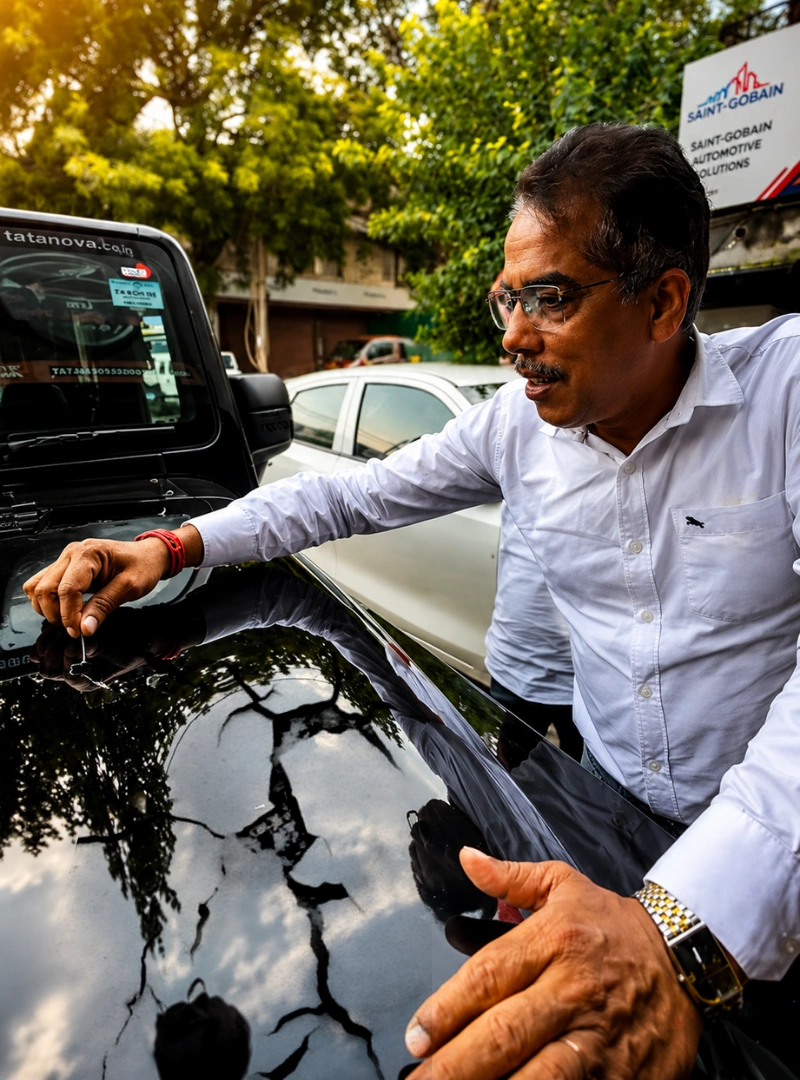
Many customers cannot tell the difference because the product may look genuine from the outside. Only after a few months do they notice problems like:
- Yellowing
- Peeling edges
- Adhesive failure
- Poor self-healing PPF
- Reduced gloss
- PPF Warranty rejection
By then, replacing the film becomes an expensive mistake.
Why Every Car Owner Should Verify a PPF Studio Before Installation?
Let's be clear. We're not saying every detailing studio is dishonest. There are many professional studios across India doing excellent work with genuine paint protection film and proper installation standards. But like many fast-growing industries, the automotive detailing market also has a grey market.
In a grey market, customers may come across situations where:
- The PPF brand being promised is different from the one being installed.
- Warranty claims are not backed by the actual manufacturer.
- Old marketing material continues to be used even after business relationships change.
- Technical terms are used without proper documentation.
- Customers are asked to trust verbal promises instead of official verification.
This is exactly why every car owner should verify the studio and the product authenticity before making a decision. When you're spending ₹60,000, ₹1 lakh, or even ₹2 lakh on paint protection film, asking questions isn't suspicious. It's being a smart buyer.
Public Caution Notice by Garware: Why Verifying an Authorised PPF Studio Is Important
Recently, Garware India's leading Paint Protection Film manufacturer, issued a Public Caution Notice informing customers that the authorization of one of its application studios had been terminated with immediate effect.
The company also advised customers to verify the authenticity of any authorised application studio directly through its official channels before purchasing products or claiming warranty benefits.
This wasn't just an announcement. It was a reminder for every car owner in India.
Authorisation isn't permanent. It can change.
That's why customers should never rely only on advertisements, old social media posts, or verbal claims. Always verify directly with the brand. It takes only a few minutes and can save you from unnecessary confusion later.
Why does choosing an Authorised PPF Installer matter?
A genuine PPF brand usually appoints authorised application studios after proper training and quality checks.
These studios receive:
- Installation guidelines
- Technical support
- Genuine material
- Official warranty procedures
When an installer is authorised, customers have better confidence that the installation follows the manufacturer's standards.
Questions to Ask Before Installing Paint Protection Film (PPF)
Before booking a PPF installation, ask these questions:
Q. Are you currently an authorised installer?
Ans. Request proof rather than relying only on advertisements.
Q. Can I verify your authorisation with the manufacturer?
Ans. A genuine installer should have no issue helping you verify authorised detailing studio credentials
Q. Is the warranty issued directly by the brand?
Ans. A manufacturer-backed PPF Warranty generally provides greater confidence than store-only promises. Always verify the PPF Warranty before making payment.
Q. Can you show the batch details?
Ans. Professional installers usually maintain proper product records.
Q. Do you provide an official invoice?
Ans. A proper invoice protects both the customer and the installer.
How Transparent Car Detailing Builds Customer Trust?
A professional detailing studio should have nothing to hide. Customers should be able to:
- Visit the workshop
- See ongoing installations
- Verify products before installation
- Check warranty registration
- Ask technical questions
Transparency creates confidence. Hidden information creates doubt for customers.
Why The Detailing Gang Believes in Genuine Paint Protection Film?
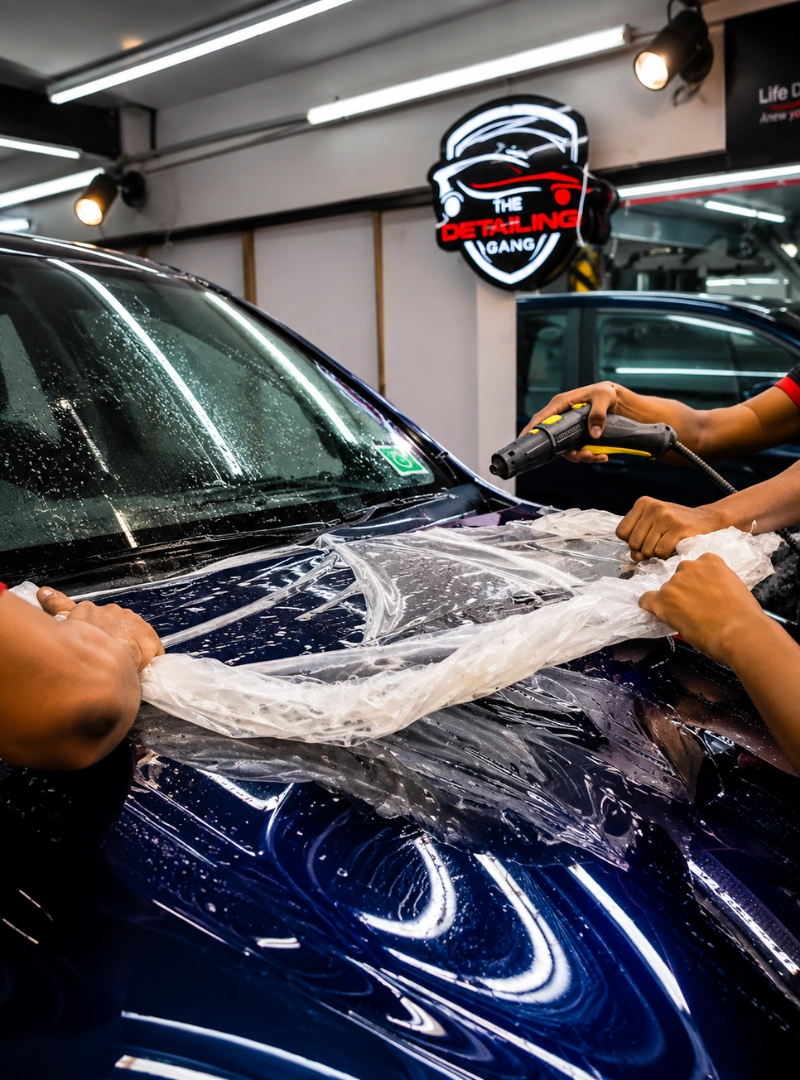
At The Detailing Gang, we have never believed that selling paint protection film is more than just a car accessory. It's an investment that protects one of the most valuable assets you own. Protecting that investment deserves patience, honesty, and complete clarity.
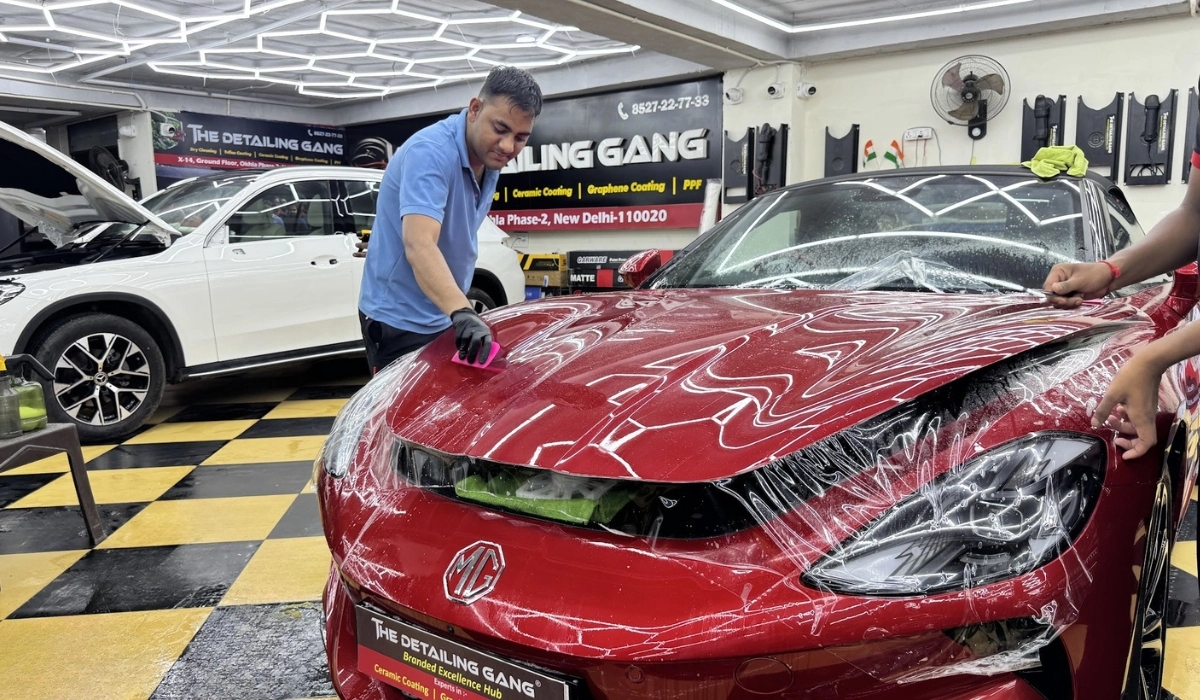
That's why we encourage customers to:
- compare different brands,
- understand the differences between TPU PPF and other film technologies,
- read warranty terms carefully,
- inspect the material before installation,
- and ask as many questions as they like.
If a customer leaves our studio more informed than when they arrived, we've done our job. Whether they choose us immediately or not. Because trust isn't built through discounts. It's built through transparency.
Final Thoughts: Verify Your PPF Before You Invest
The comparison between E20 and "P20" teaches an important lesson. One is an officially recognised technical standard. The other reminds us that consumers should never accept technical claims without verification.
Whether you are buying fuel, paint protection film, ceramic coating, or any automotive product, always ask for evidence instead of relying on marketing.
A few minutes of verification today can save you from expensive disappointment tomorrow. When it comes to protecting your car, genuine products, authorised installers, and transparent warranties matter far more than catchy terms or attractive promises.
Remember: Before investing in any paint protection film, verify the installer's current authorisation directly with the brand. Genuine products deserve genuine installation, and your car deserves complete transparency.
