Winter Car Care: Battery, Cabin and Engine Tips for Owners
What is in this post17 sections
Winter can turn a routine drive into a frustrating one. A weak battery may struggle to start the car, an outdoor parked vehicle can feel icy by morning, and a cold engine needs a little care before you drive away. The good news is that a few simple habits can make winter car ownership easier. This guide explains how to maintain a car battery in winter, keep a parked car warmer overnight, and protect the engine in cold weather. Always check your owner’s manual for advice specific to your vehicle.
How to Maintain a Car Battery in Winter?
Cold weather makes it harder for a battery to deliver power, just as it takes more effort for the engine to turn over. A battery that seems fine in mild weather may show signs of weakness on a cold morning. A little preparation can help you avoid an unexpected no-start.
Get the battery tested before cold weather
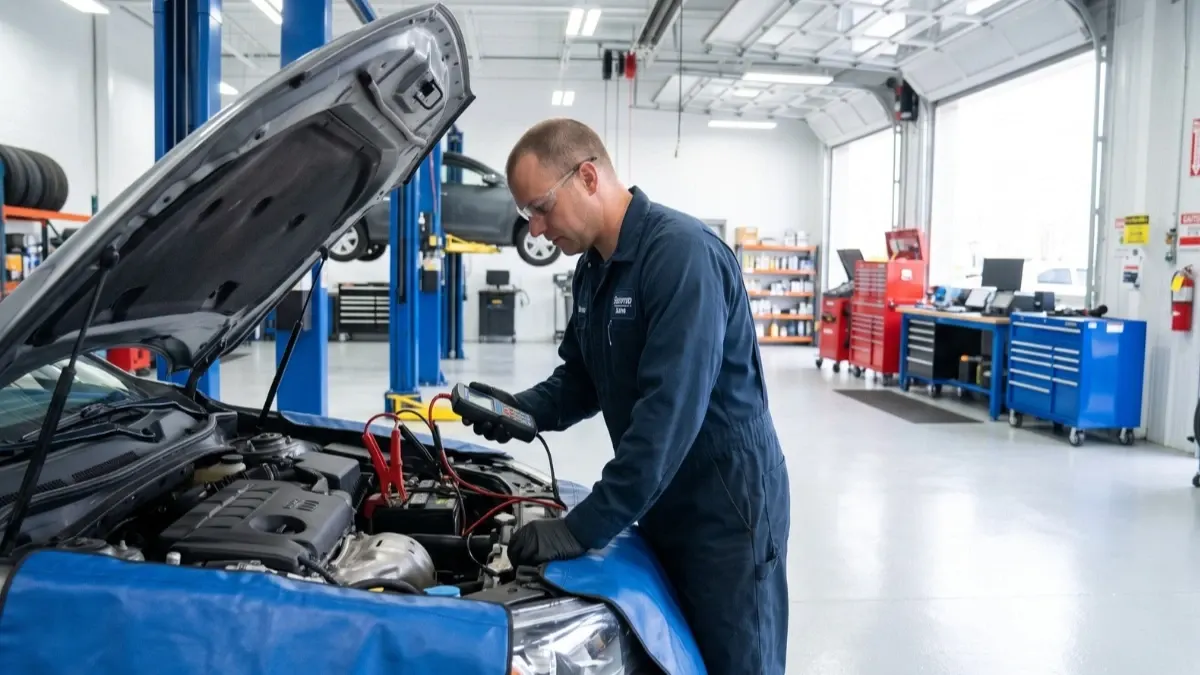
- Ask a mechanic or battery specialist to test the battery and charging system before winter. This check can show whether the battery can hold a charge and deliver the power your car needs to start. It matters especially if the battery is several years old, the car has been slow to start, or you mostly take short trips.
- Look out for warning signs such as slow cranking, dim headlights, clicking when you turn the key, or dashboard lights that behave oddly. These symptoms don't prove the battery is the only problem, but they are good reasons to schedule a check.
Keep connections clean and secure
- Check the battery case and visible connections for damage, loose clamps, or heavy corrosion. Corrosion can interfere with the electrical connection. If you are unsure how to clean it safely, ask a professional rather than experimenting with household mixtures or touching the terminals with tools.
- Some vehicles place the battery in a difficult-to-reach spot or use a battery monitoring system. Follow the owner’s manual before disconnecting or servicing anything.
Avoid draining the battery while parked
- Switch off headlights, interior lights, chargers, and other accessories when you leave the car. A light left on overnight can drain a battery, and repeated short trips may not give the charging system enough time to replace the power used to start the engine.
- If you rarely drive, ask a mechanic whether a battery maintainer is suitable for your car. Use only a charger compatible with the battery type and follow its instructions. Do not disconnect the battery for long-term storage unless the vehicle manual recommends it, since some cars need power to preserve settings or operate correctly.
Park under cover when you can
- A garage or sheltered parking spot can reduce exposure to cold and ice. Covered parking will not repair a weak battery, but it can make winter conditions less demanding on the vehicle. If you park outside, check that the battery remains securely connected and have it tested if starting becomes sluggish.
Keep a sensible backup plan
- Store jumper cables or a compatible jump starter in the car, and learn how to use them safely for your vehicle. Check the manual for jump-starting points and instructions. Never attempt to jump-start a battery that looks cracked, swollen, leaking, or frozen. Call roadside assistance instead.
How to Keep a Car Warm in Winter Overnight
A parked car loses heat quickly. If you mean keeping the car’s cabin warmer for a person sleeping inside, focus on safe insulation and bedding. If you mean protecting an unoccupied car, use covered parking and a vehicle-approved engine heater where appropriate. In either case, do not leave a petrol or diesel engine running overnight.
For an unoccupied parked car
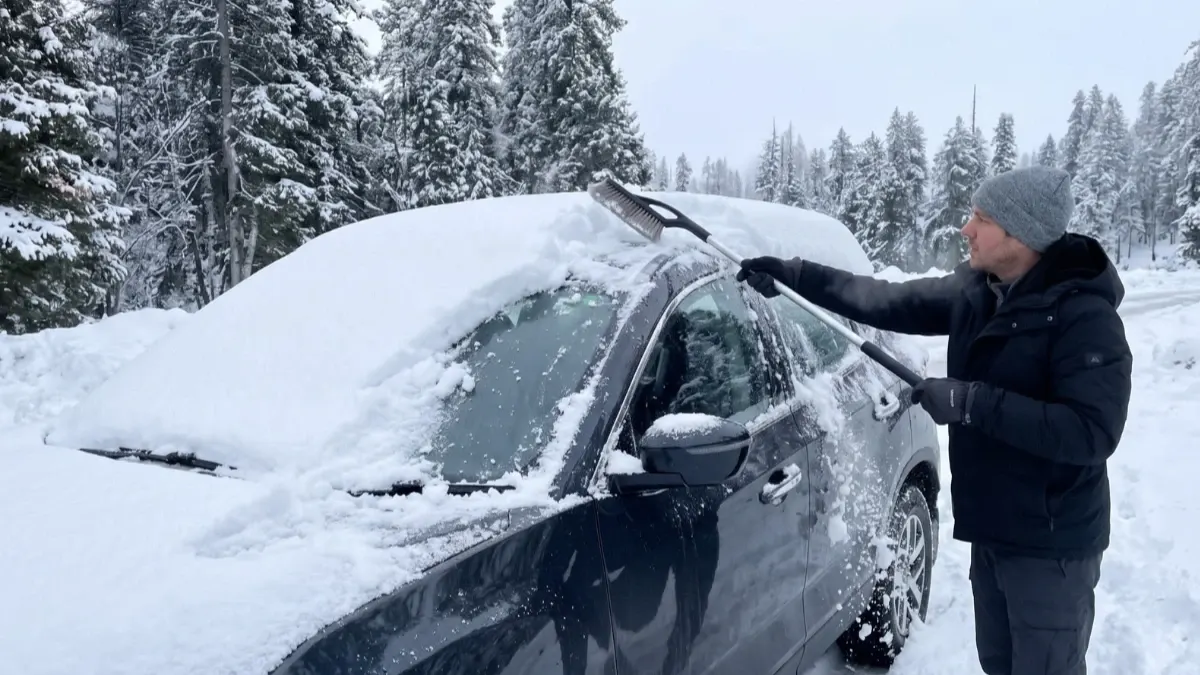
- Park in a garage or sheltered area if available. A fitted windshield cover can reduce frost and make morning cleanup easier. Clear snow from the roof, windows, lights, and exhaust area before driving, and use a proper scraper or de-icer for the glass.
- Do not pour hot water on a frozen windshield. The sudden temperature change can crack the glass. Avoid improvised covers that block visibility or interfere with wipers, mirrors, or sensors.
- If your area experiences severe cold and your vehicle supports it, ask a mechanic about a manufacturer-approved block heater. Follow the product and vehicle instructions, use an outdoor-rated cord where required, and keep electrical connections away from water and damage.
If you are sleeping in the car
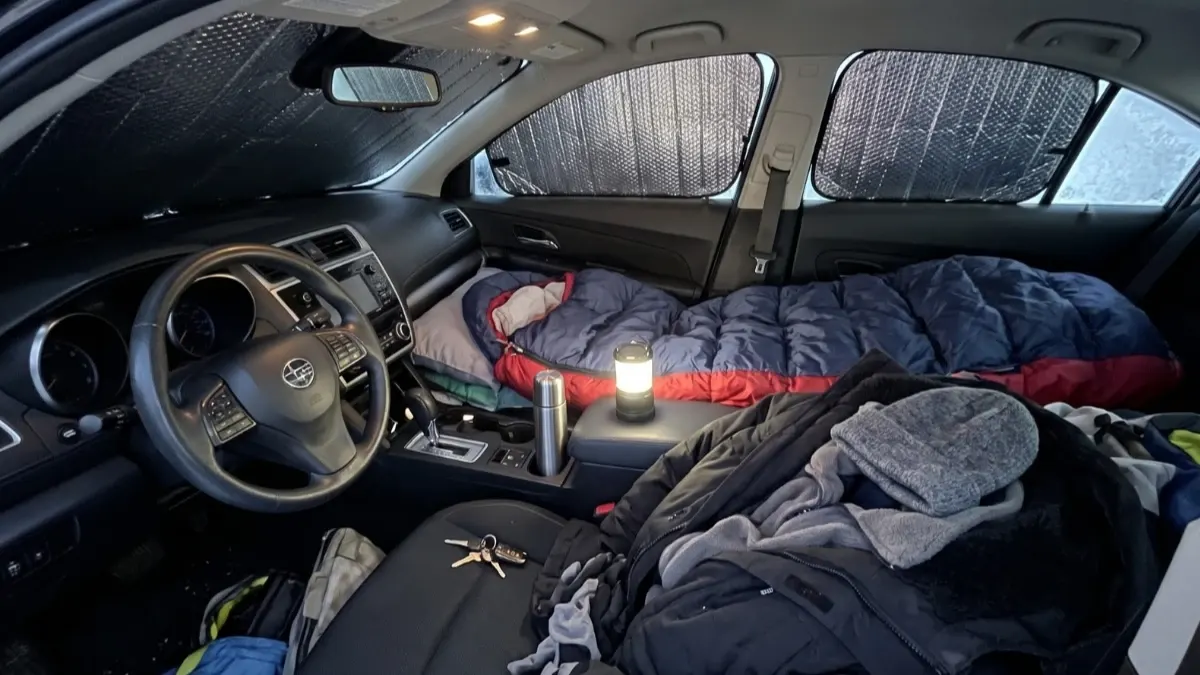
- Plan the place first. Use a legal, designated overnight parking area and tell someone where you will be. Dress in dry layers, use a sleeping bag rated for the expected temperature, and put an insulated sleeping pad beneath you. A pad helps reduce heat loss to the cold seat or floor. Properly fitted window shades can add privacy and reduce drafts.
- Keep a small opening for fresh air if your setup allows it safely, and manage moisture by drying wet clothes and ventilating the cabin when practical. Keep a charged phone, water, warm clothing, and emergency supplies within reach.
- Do not rely on the car’s heater while you sleep. Never run a combustion engine or portable fuel-burning heater in a closed vehicle or garage. Exhaust can contain carbon monoxide, which has no smell and can be deadly. If you are stranded during a winter storm, follow local emergency guidance, keep the exhaust pipe clear of snow, and use the engine only as directed by emergency authorities.
Read More:
- How to remove swirl marks without damaging car paint
- What PPF thickness is best for a car
- How to identify genuine PPF
How to Keep the Engine Warm in Winter
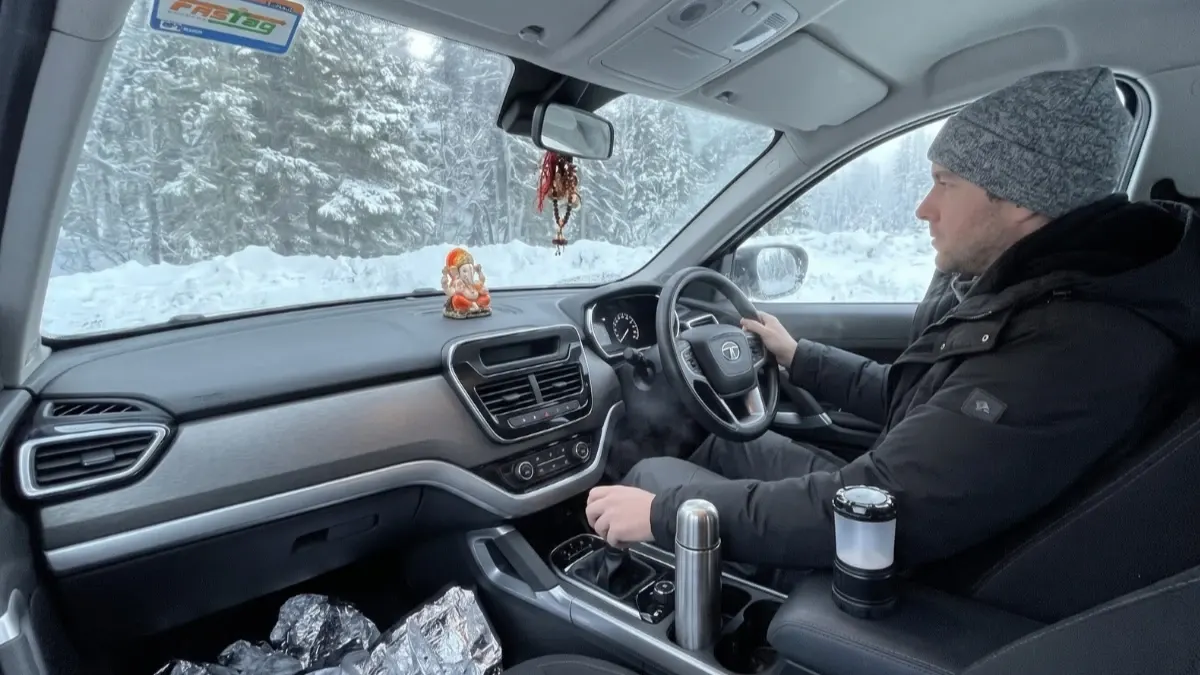
Most modern cars do not need a long idle before you drive. Start the engine, allow a short period for it to settle and for visibility to clear, then drive gently. Avoid hard acceleration and high engine speeds until the engine warms up. A cold engine warms faster while driving at a moderate pace than while sitting still. Long idling wastes fuel and may not warm the whole vehicle evenly. Your owner’s manual takes priority, especially for older cars, diesel vehicles, hybrids, and models used in very low temperatures.
Use the right oil and coolant
Follow the manufacturer’s schedule and use the oil grade specified for your vehicle and climate. The wrong oil can affect how easily the engine turns in cold weather. Check the coolant level only when the engine is cool, and use the correct coolant mixture recommended by the manufacturer. If you notice leaks, overheating, or a temperature warning, have the car checked promptly.
Consider an engine block heater in extreme cold
A block heater warms parts of the engine before starting and can make cold starts easier in climates where temperatures fall very low. It is not necessary for every vehicle or location. Ask a qualified mechanic whether your car supports one and how long to use it.
Clear the car before setting off
Remove snow and ice from all windows, mirrors, lights, and the roof. Clear the area around the tailpipe before starting the engine after heavy snowfall. Make sure you can see clearly in every direction before driving.
A quick winter check before you leave
Before a cold-weather trip, take a moment to check:
- The battery starts the car without hesitation
- Headlights, brake lights, and indicators work
- The windshield and mirrors are clear
- The wipers and washer fluid work properly
- Tires have the correct pressure and suitable tread
- The exhaust outlet is clear of snow or debris
- You have warm clothing, a phone charger, and basic emergency supplies
Protecting your care's exterior in winter
Road salt, grit, ice, and frequent washing can be hard on a vehicle’s finish. Regular cleaning helps remove salt and grime, especially around the wheel arches and lower panels. Dry the car when possible and use products made for automotive paint.
For owners considering longer-term paint protection, The Detailing Gang offers services such as paint protection film, often called PPF, and ceramic coating. These options can help protect exterior surfaces from everyday wear, but they do not replace washing, inspection, or careful winter driving.
A simple winter routine goes a long way
Test the battery before cold weather, keep accessories switched off when parked, and deal with slow starts early. Use proper bedding and ventilation if you sleep in a car, and never use a running engine as an overnight heater. For the engine, follow the manual, start gently, and drive moderately until it warms up.
Frequently Asked Questions
Q1. Should I start my car every day in winter?
Ans. Not necessarily. Starting the car and letting it idle briefly does not fully recharge a weak battery. If you drive infrequently, ask a mechanic whether a battery maintainer is right for your vehicle.
Q2. How long should I warm up my car before driving?
Ans. For many modern vehicles, a short pause after starting is enough before gentle driving. Follow the owner’s manual, especially in extreme cold or with a vehicle that has specific warm-up instructions.
Q3. Can I sleep in my car with the heater running?
Ans. No. Do not sleep in a car with a petrol or diesel engine running. Carbon monoxide from the exhaust can enter the cabin, particularly if snow blocks the exhaust or the exhaust system has a leak.
Comments
Leave a comment
Comments come from people with an account. It takes a minute, and it is how we can tell you when yours goes up.
An account is needed to comment.Protected by reCAPTCHA. Google's Privacy Policy and Terms apply.
More on Car Care
- How to Increase Car Resale Value in India: Expert TipsLearn how to increase car resale value in India with practical tips on maintenance, detailing, PPF, paint care, service history and smart car ownership.
- What PPF Thickness Is Best for a Car? Guide to Microns and MilsFind out what PPF thickness is best for a car in India. Compare 150, 175 and 200 micron PPF and learn why thickness is not everything.
- Fake vs Genuine PPF: How to Avoid Cheap Film ScamsLearn how to identify genuine PPF, verify authorised dealers, compare film specifications and avoid misleading claims before protecting your car's paint.
- How to Remove Swirl Marks Without Damaging Car Paint SafelyLearn how to remove swirl marks safely without damaging car paint. Discover safe washing, polishing, paint correction and prevention tips for a lasting shine.