How to Maintain New Cars Properly: Complete Guide for First-Time 2026
✏ A D Nath | 🔖 Car Care
Buying a new car is exciting, but keeping it looking and performing like new requires more than following the service schedule. Regular maintenance, careful washing, paint protection, tyre checks, interior care, and timely detailing can help protect your car from premature wear and keep it looking better for longer.
Whether you have just bought your first hatchback, a luxury car, an SUV, or an electric vehicle, this guide explains how to maintain a new car properly and avoid common mistakes.
What Should You Do After Buying a New Car?
The first few months matter because this is when you build good maintenance habits.
After taking delivery, start with these basic steps:
- Read the owner's manual and understand the manufacturer's maintenance schedule.
- Follow the recommended service intervals.
- Check the recommended tyre pressure.
- Learn where to check essential fluids and warning indicators.
- Keep your service records and invoices safely.
- Use recommended engine oil, fluids, and replacement parts.
- Protect the exterior paint from unnecessary scratches and contamination.
- Avoid automatic or careless washing methods that can create swirl marks.
- Keep the interior clean and protected from prolonged sunlight.
- Inspect the car regularly instead of waiting for a problem to appear.
A new car doesn't mean you can ignore maintenance. Good habits from the beginning can make a noticeable difference over the years.
New Car Maintenance Checklist
Use this simple checklist to stay on top of regular maintenance.
| S. No | Maintenance Task | Recommended Frequency |
| 1 | Check tyre pressure | Every two weeks |
| 2 | Wash the car | Every 1 to 2 weeks |
| 3 | Inspect engine oil | Monthly |
| 4 | Check coolant level | Monthly |
| 5 | Clean interior | Weekly |
| 6 | Vacuum carpets | Weekly |
| 7 | Inspect wiper blades | Monthly |
| 8 | Check battery terminals | Every 3 months |
| 9 | Wheel alignment | Every 10,000 km or if needed |
| 10 | Wheel balancing | Every 10,000 km |
| 11 | Replace the air filter | As per the service schedule |
| 12 | Follow the manufacturer's service intervals | Always |
Keeping a printed or digital checklist helps ensure that no important maintenance task is overlooked.
1. Read the Owner's Manual Carefully
Many car owners store the owner's manual in the glove box and never open it again. However, it contains valuable information specifically designed for your vehicle.
The manual explains:
- Recommended engine oil grade
- Tyre pressure specifications
- Service intervals
- Warning light meanings
- Fuel recommendations
- Fluid capacities
- Maintenance schedules
Since every manufacturer has different maintenance requirements, following the owner's manual is always more reliable than relying on generic advice.
Expert Tip: Bookmark the maintenance schedule section so you can quickly refer to it before each scheduled service.
2. Follow the Manufacturer's Service Schedule
Skipping or delaying scheduled servicing is one of the most common mistakes made by new car owners. Manufacturers determine service intervals based on extensive testing. These services include inspections, software updates, fluid checks, filter replacements, and other preventive maintenance tasks.
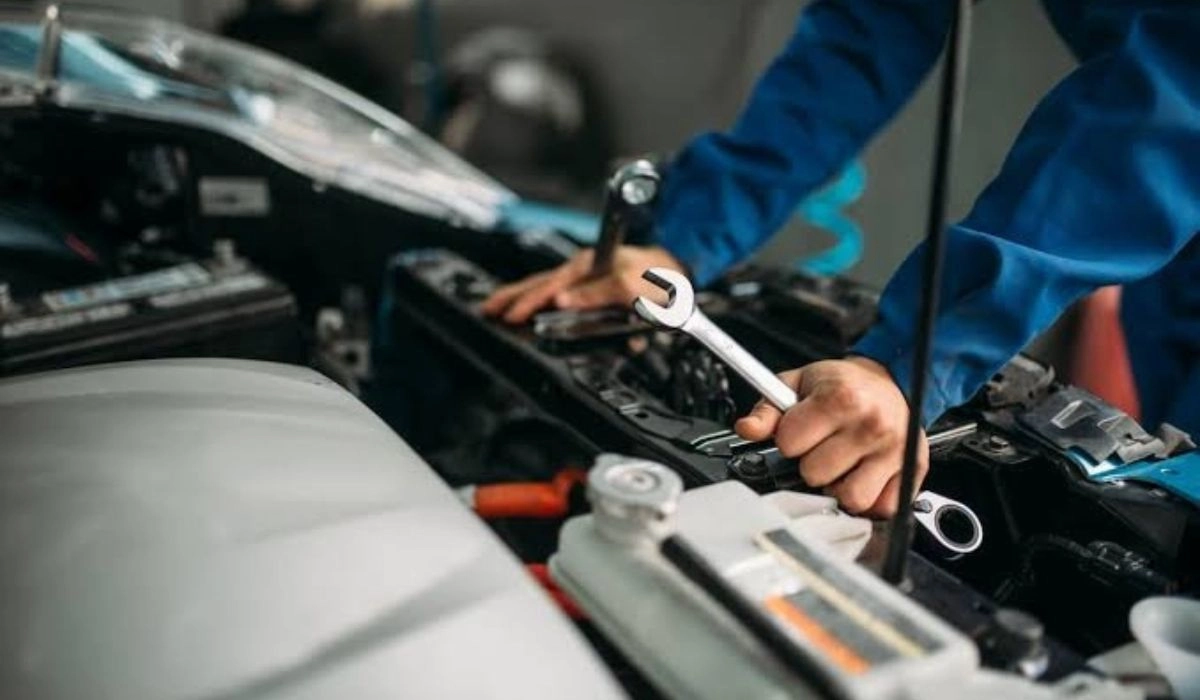
Even if your car appears to be running perfectly, internal components continue to experience normal wear during everyday driving.
Regular servicing helps:
- Detect problems early
- Maintain warranty coverage
- Improve engine reliability
- Enhance fuel economy
- Increase vehicle lifespan
Always service your car at the recommended kilometre or time interval, whichever comes first.
3. Avoid Aggressive Driving During the Initial Break-In Period
The first few thousand kilometres are important because engine components, transmission parts, and braking systems are settling into normal operation.
During this period:
- Avoid sudden acceleration.
- Drive smoothly and progressively.
- Avoid harsh braking whenever possible.
- Do not maintain the same speed for very long.
- Keep engine RPM within the recommended range.
Gentle driving allows engine components to wear evenly, helping improve long-term performance.
4. Wash Your Car the Right Way
Regular washing is one of the simplest ways to maintain a new car properly. Dust, mud, bird droppings, tree sap, insects, and industrial fallout can gradually damage your vehicle's clear coat if left unattended.
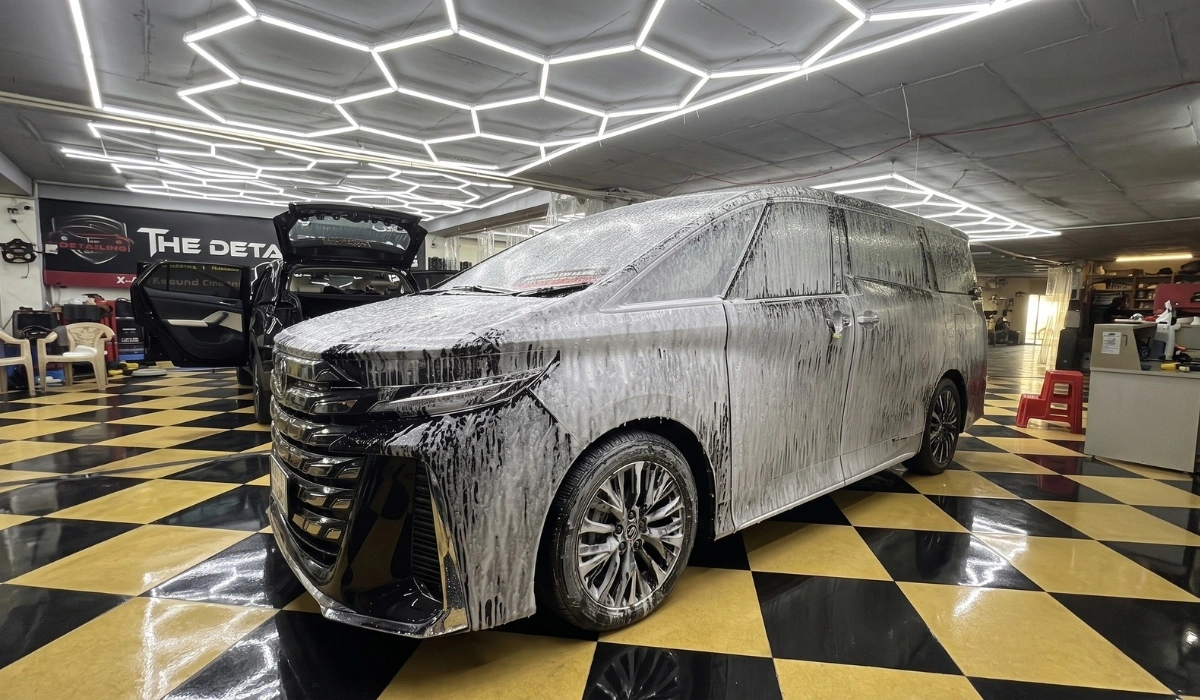
For best results:
- Wash your car every one to two weeks.
- Use a pH-neutral car shampoo.
- Use two buckets, one for clean water and one for rinsing the wash mitt.
- Wash from top to bottom.
- Dry using a clean microfiber towel.
Avoid using household detergents because they remove protective wax and may dull the paint over time. Also, avoid washing your car under direct sunlight, as water spots can form quickly on hot paint surfaces.
Professional Insight: At detailing studios, we frequently correct swirl marks caused by improper washing techniques. Most of these scratches are completely avoidable with proper tools and washing methods.
5. Protect the Paint from Day One
Your car's paint is constantly exposed to ultraviolet rays, road debris, bird droppings, bug splatter, tree sap, and airborne contaminants. Applying paint protection early helps preserve the original finish.
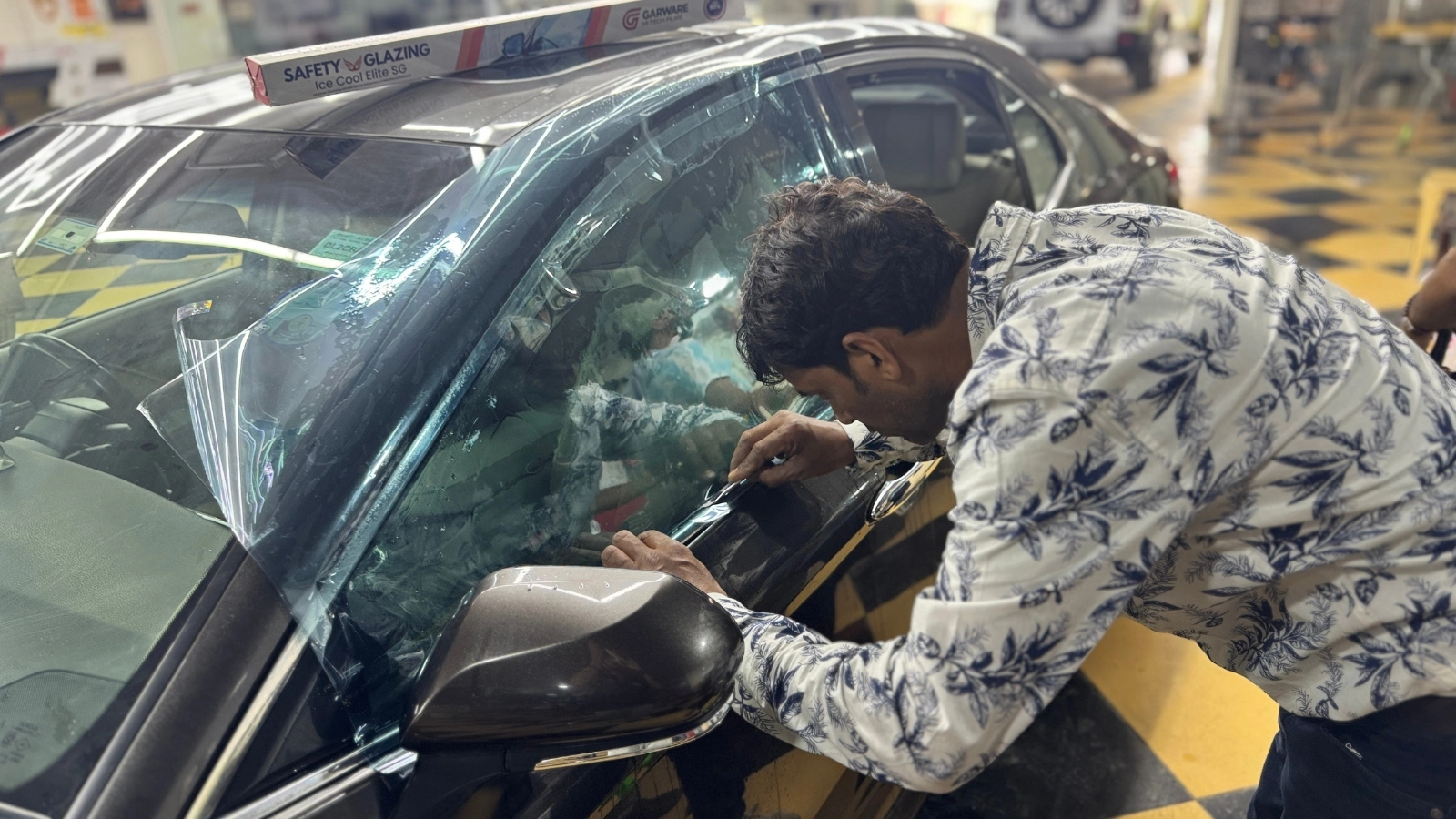
Common options include:
Car Wax
- Affordable
- Adds gloss
- Lasts a few weeks
Paint Sealant
- Better durability than wax
- Offers several months of protection
Ceramic Coating
- Excellent hydrophobic properties
- Easier cleaning
- UV protection
- Long-lasting shine
- Chemical resistance
Paint Protection Film (PPF)
- Protects against stone chips
- Self-healing technology
- Scratch resistance
- Preserves factory paint
- Ideal for premium and luxury vehicles
Choosing the right protection depends on your budget, driving habits, and the level of protection you expect. Applying paint protection soon after delivery is generally more effective than waiting until the paint has already accumulated scratches or contamination.
Expert Recommendation
Based on our experience, the first six months of ownership are the most important for preserving a vehicle's appearance. Consistent washing, timely servicing, proper tyre maintenance, and early paint protection can significantly reduce long-term maintenance costs while helping your car retain its original finish and resale value.
In the next section, we'll cover engine oil, tyre care, battery maintenance, fluid inspections, interior cleaning, safe parking habits, fuel quality, and several advanced maintenance practices that every new car owner should know.
6. Check Engine Oil Regularly
Engine oil is often called the lifeblood of your vehicle because it lubricates moving engine parts, reduces friction, controls heat, and helps prevent premature wear. Even though new cars leave the factory with fresh engine oil, it is still important to inspect the oil level regularly.
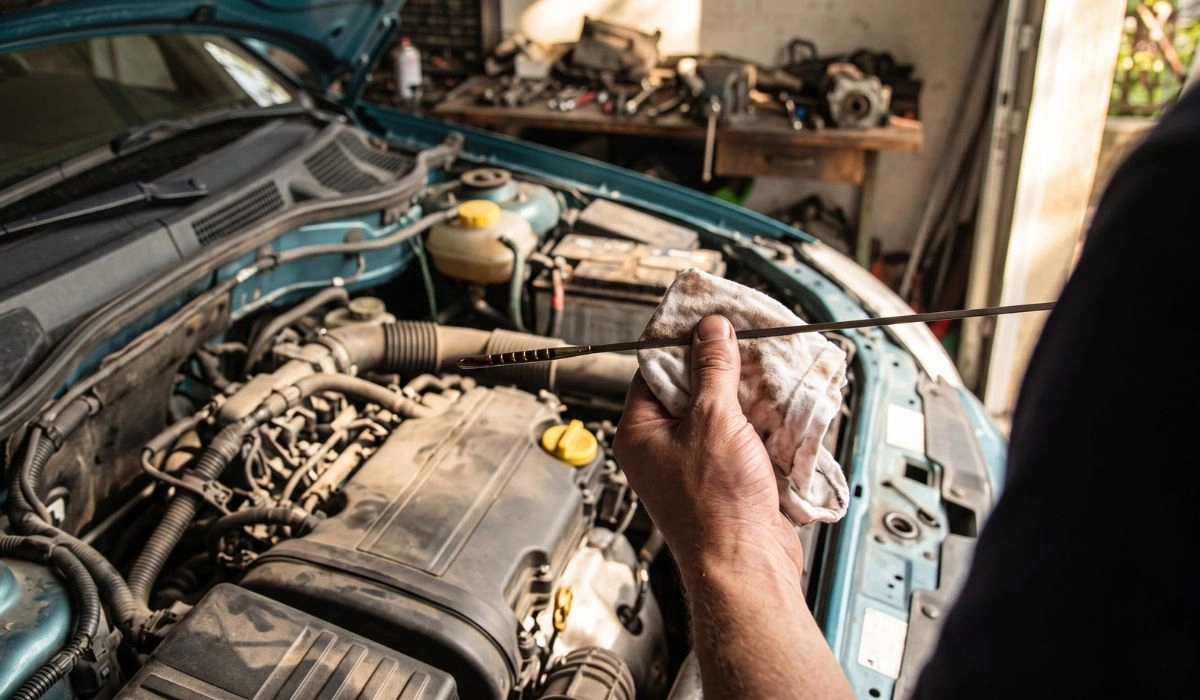
Many modern cars consume a small amount of engine oil under normal driving conditions. Ignoring low oil levels can lead to increased engine wear and reduced performance.
How to Check Engine Oil?
- Park the car on a level surface.
- Turn off the engine and allow it to cool for a few minutes.
- Pull out the dipstick and wipe it clean.
- Reinsert it completely.
- Remove it again and check whether the oil level falls between the minimum and maximum marks.
Also, pay attention to the oil's appearance. Fresh engine oil is usually amber in colour, while very dark, gritty, or contaminated oil may indicate it is time for replacement.
Expert Tip: Never mix different engine oil grades unless the manufacturer recommends it. Always use the viscosity and specifications mentioned in your owner's manual.
7. Maintain Correct Tyre Pressure
Tyres are the only part of your vehicle that remains in constant contact with the road. Incorrect tyre pressure affects handling, braking, fuel efficiency, tyre life, and passenger safety. Underinflated tyres create more rolling resistance, increasing fuel consumption and causing uneven tyre wear. Overinflated tyres reduce road grip and can lead to a harsher ride.
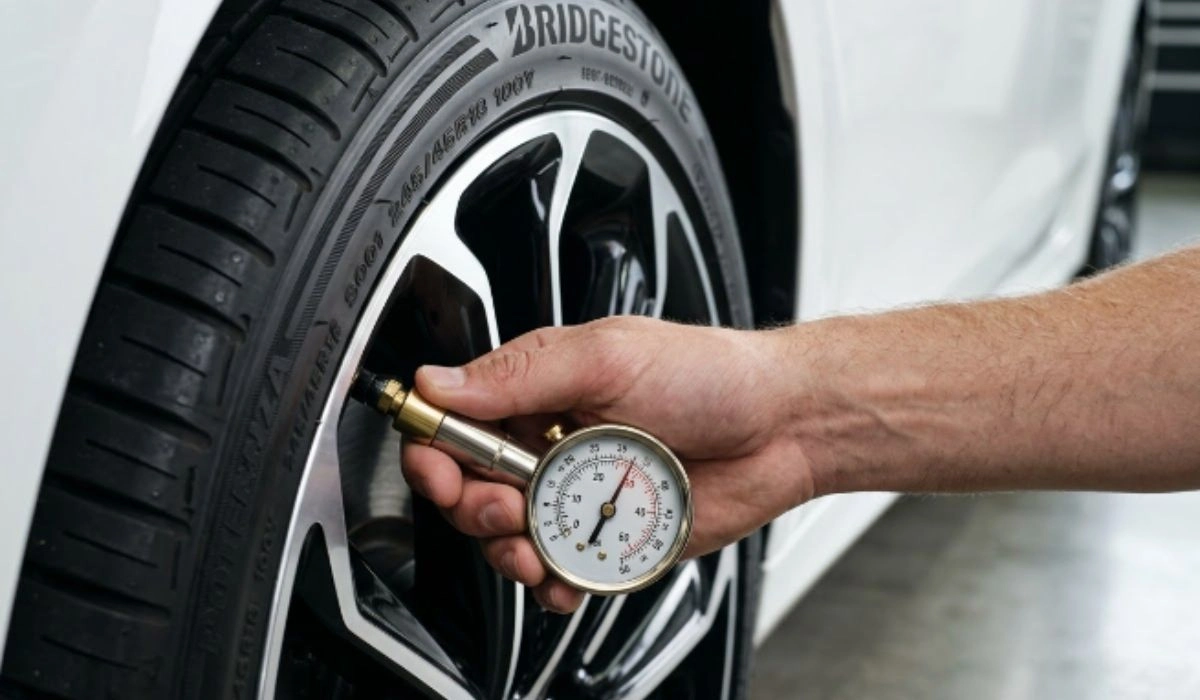
Recommended Practice:
- Check tyre pressure every two weeks.
- Check before long highway trips.
- Measure pressure when tyres are cold.
- Include the spare tyre during inspections.
Proper tyre pressure helps:
- Improve fuel efficiency
- Increase tyre lifespan
- Enhance braking performance
- Provide better driving comfort
- Improve steering response
8. Rotate Tyres and Check Wheel Alignment
Tyres wear differently depending on their position and drivetrain type. Regular tyre rotation helps distribute wear evenly and extends tyre life. Most manufacturers recommend tyre rotation every 8,000 to 10,000 kilometres, although you should always follow your owner's manual.
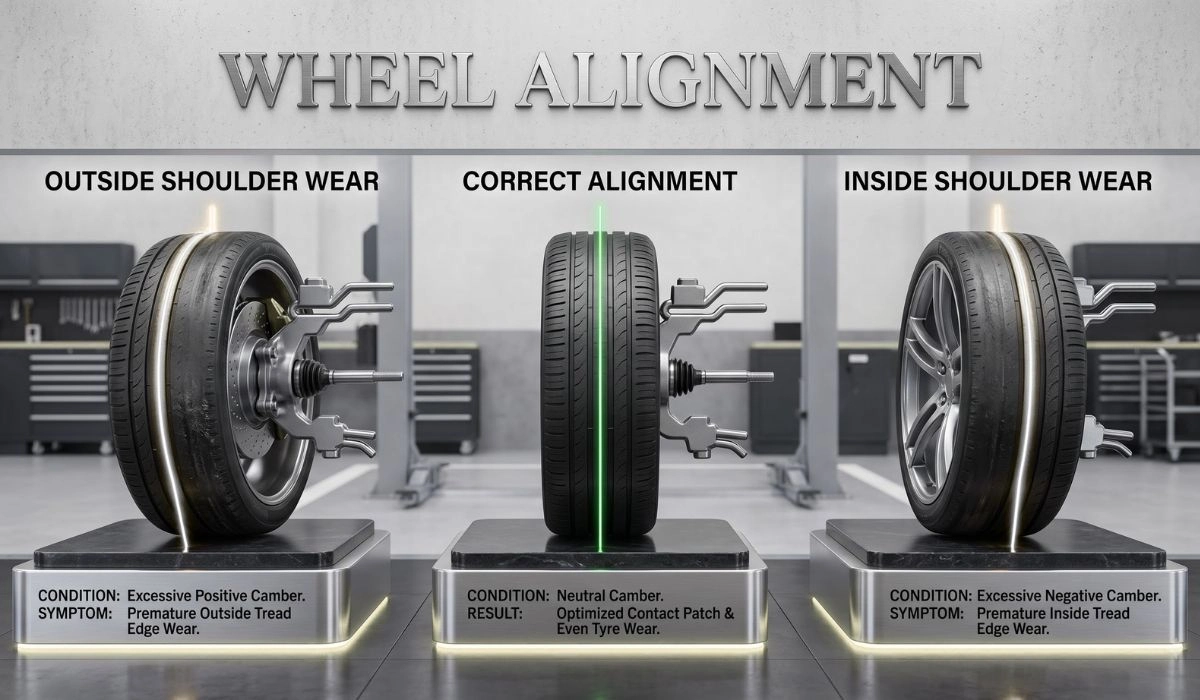
You should also have the wheel alignment inspected if:
- The steering wheel is off-centre.
- The car pulls to one side.
- Tyres show uneven wear.
- You hit a large pothole or curb.
Wheel balancing is equally important because unbalanced wheels can cause steering vibrations and uneven tyre wear.
9. Monitor Coolant and Other Essential Fluids
Your vehicle relies on several fluids to operate efficiently. Low or contaminated fluids can affect performance and even cause serious mechanical damage.
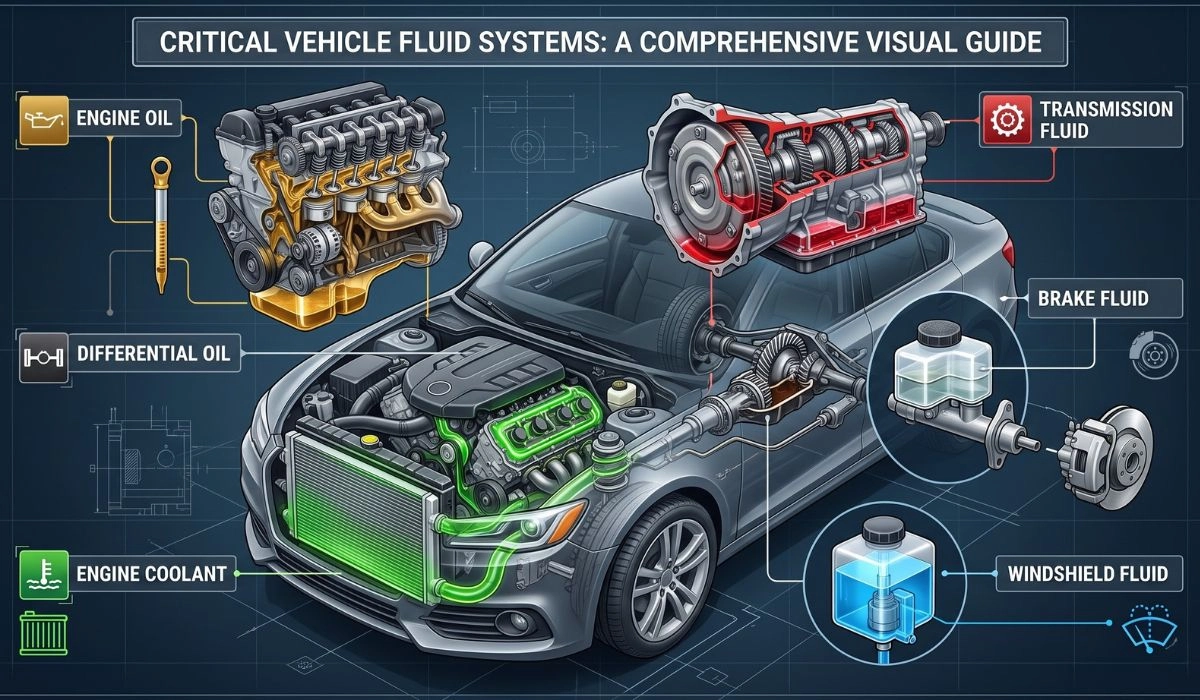
Essential Fluids to Check
| Fluid | Purpose | Inspection Frequency |
| Engine Oil | Lubricates engine | Monthly |
| Coolant | Controls engine temperature | Monthly |
| Brake Fluid | Supports the braking system | Every 3 months |
| Windshield Washer Fluid* | Improves visibility | Monthly |
| Transmission Fluid* | Smooth gear shifts | As recommended |
| Power Steering Fluid* | Steering assistance | As recommended |
*Only applicable to vehicles equipped with these systems.
Never open the coolant reservoir while the engine is hot, as pressurised coolant can cause burns.
10. Keep the Battery Healthy
Modern vehicles depend heavily on electronic systems. Even a new battery requires occasional inspection.
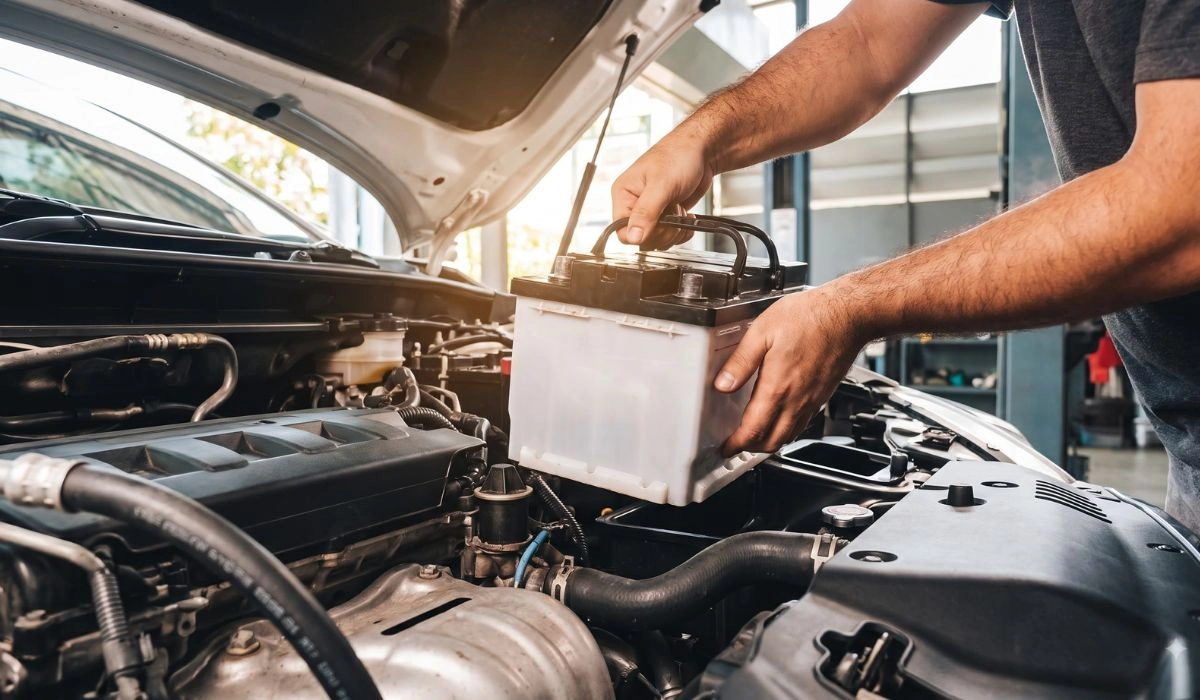
Signs of a weak battery include:
- Slow engine cranking
- Flickering lights
- Dashboard warning light
- Difficulty starting the engine
Battery Maintenance Tips
- Keep battery terminals clean.
- Avoid leaving lights switched on.
- Drive the vehicle regularly.
- Ensure battery connections remain tight.
- Have the battery tested during routine servicing.
If you rarely drive your car, consider starting it every few days or using a battery maintainer if recommended by the manufacturer.
11. Use High-Quality Fuel
Fuel quality has a direct impact on engine performance and efficiency.
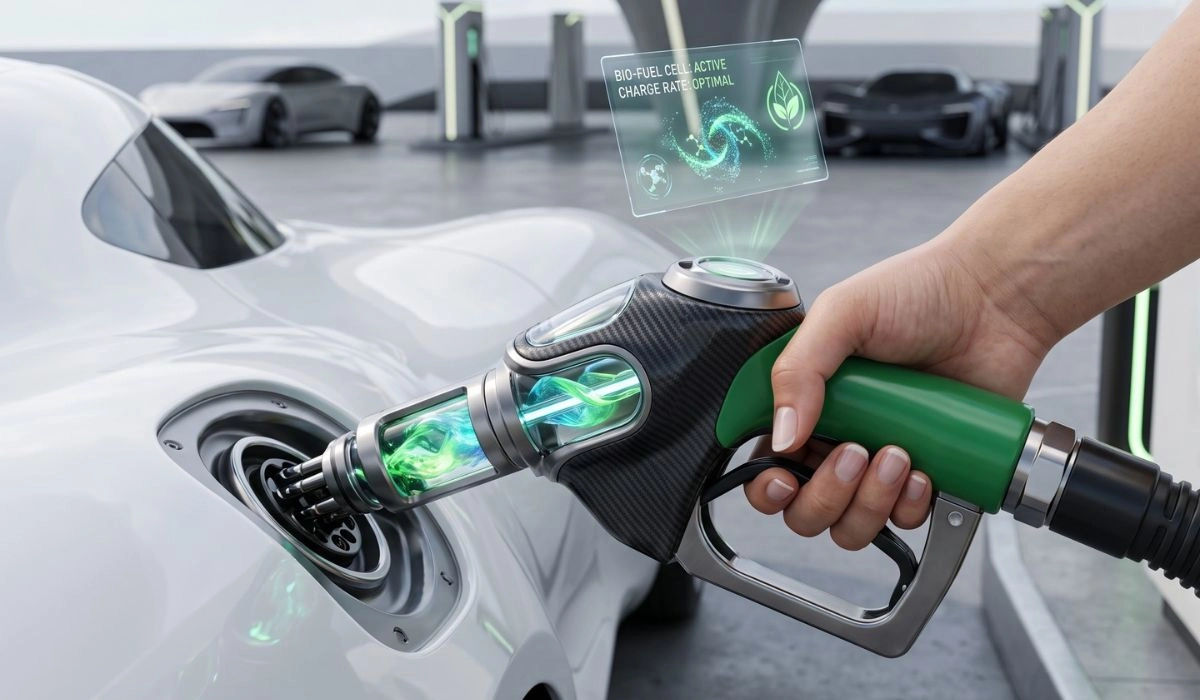
Whenever possible:
- Refuel at trusted fuel stations.
- Avoid filling up while the underground storage tanks are being replenished.
- Follow the recommended fuel octane specified by the manufacturer.
Using poor-quality fuel can lead to carbon deposits, reduced mileage, and lower engine performance over time.
12. Keep the Interior Clean
The interior of a new car deserves the same attention as the exterior. Dust, food crumbs, moisture, and sunlight gradually affect upholstery, dashboards, carpets, and leather surfaces.
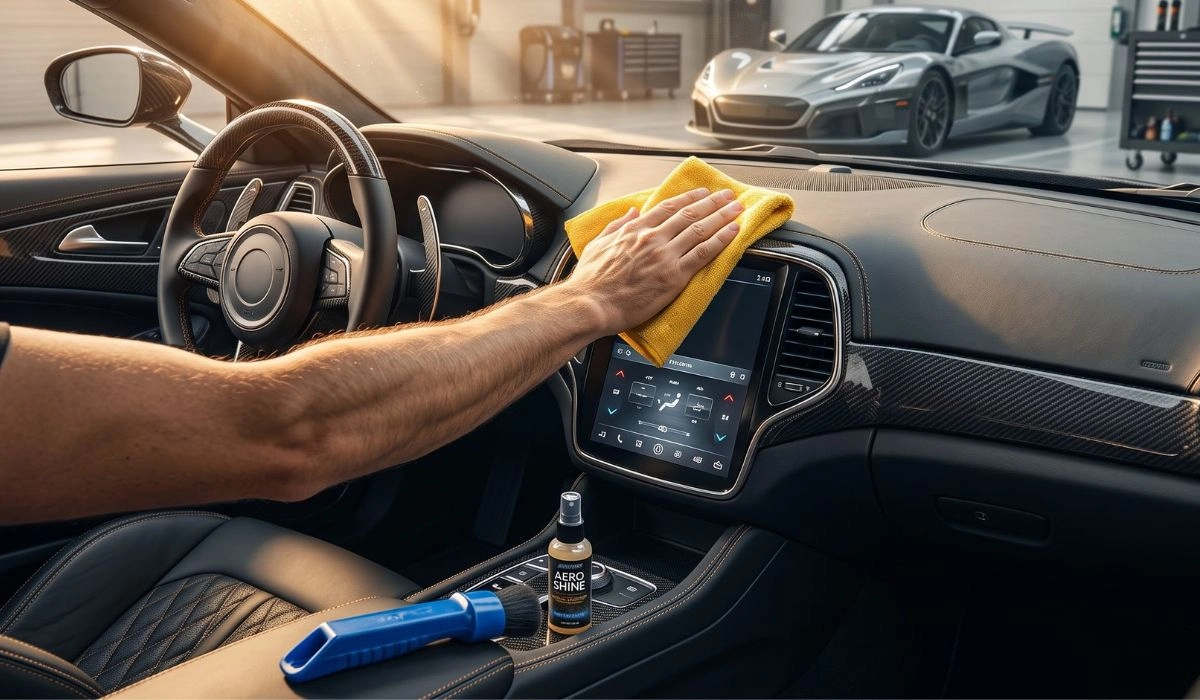
Weekly Interior Care
- Vacuum carpets and seats.
- Wipe the dashboard with a microfiber cloth.
- Remove trash promptly.
- Clean cup holders and storage compartments.
- Use interior-safe cleaning products.
For leather seats, use a dedicated leather cleaner and conditioner to prevent cracking and fading.
Professional Insight: Vehicles with clean interiors generally retain higher resale values because buyers often judge overall maintenance by cabin condition.
13. Protect Your Dashboard and Cabin from UV Rays
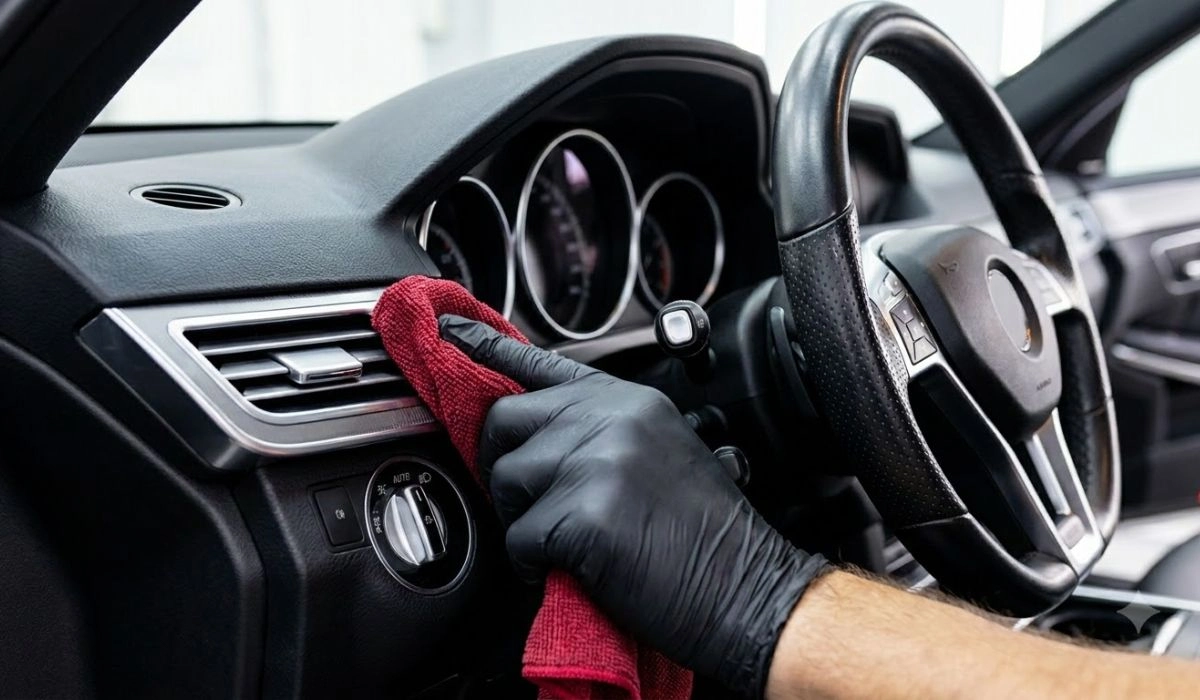
Indian summers expose vehicle interiors to intense sunlight.
Continuous UV exposure can cause:
- Dashboard fading
- Plastic cracking
- Leather deterioration
- Increased cabin temperatures
Simple preventive measures include:
- Parking in shaded areas.
- Using a windshield sunshade.
- Applying UV protectant to plastic surfaces.
- Tinting windows is legally permitted.
- Keeping windows slightly open in safe parking conditions to reduce heat build-up
14. Replace Wiper Blades Before They Fail
Many owners ignore wiper blades until visibility becomes poor. Worn wipers leave streaks, chatter across the windshield, and reduce visibility during rain.
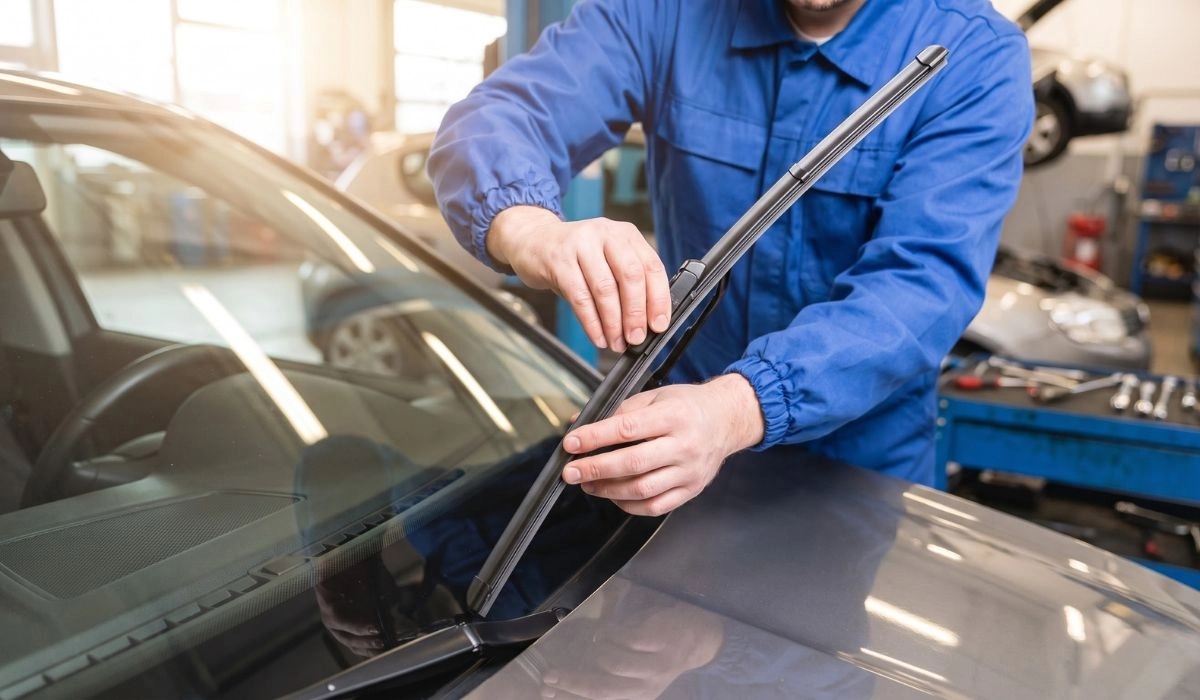
Replace wiper blades if you notice:
- Cracks in the rubber
- Streaking
- Skipping
- Squeaking noises
Clear visibility is essential for safe driving, especially during the monsoon season.
15. Inspect the Braking System
Brakes are among the most important safety components of any vehicle. Although brake pads usually last several thousand kilometres, driving style significantly affects their lifespan.
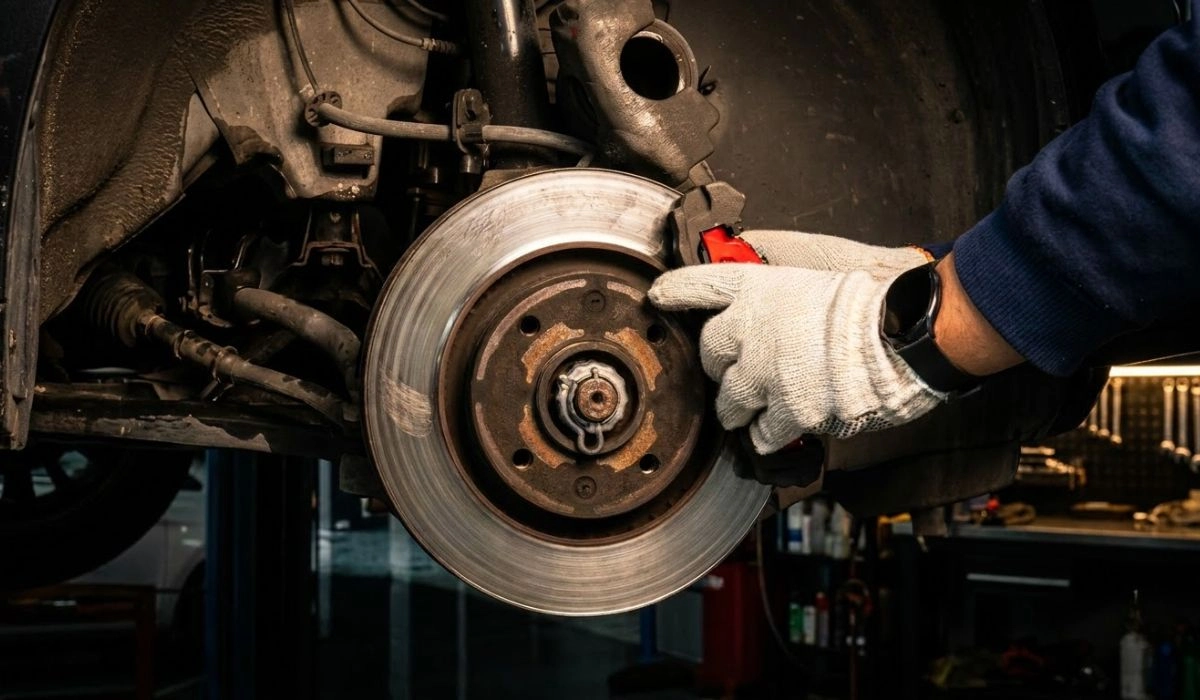
Watch for:
- Squealing noises
- Grinding sounds
- Increased stopping distance
- Brake warning lights
- Vibration during braking
If you notice any of these symptoms, have the braking system inspected immediately.
16. Don't Ignore Warning Lights
Modern cars continuously monitor their own systems. Dashboard warning lights are designed to alert drivers before small problems become major repairs.
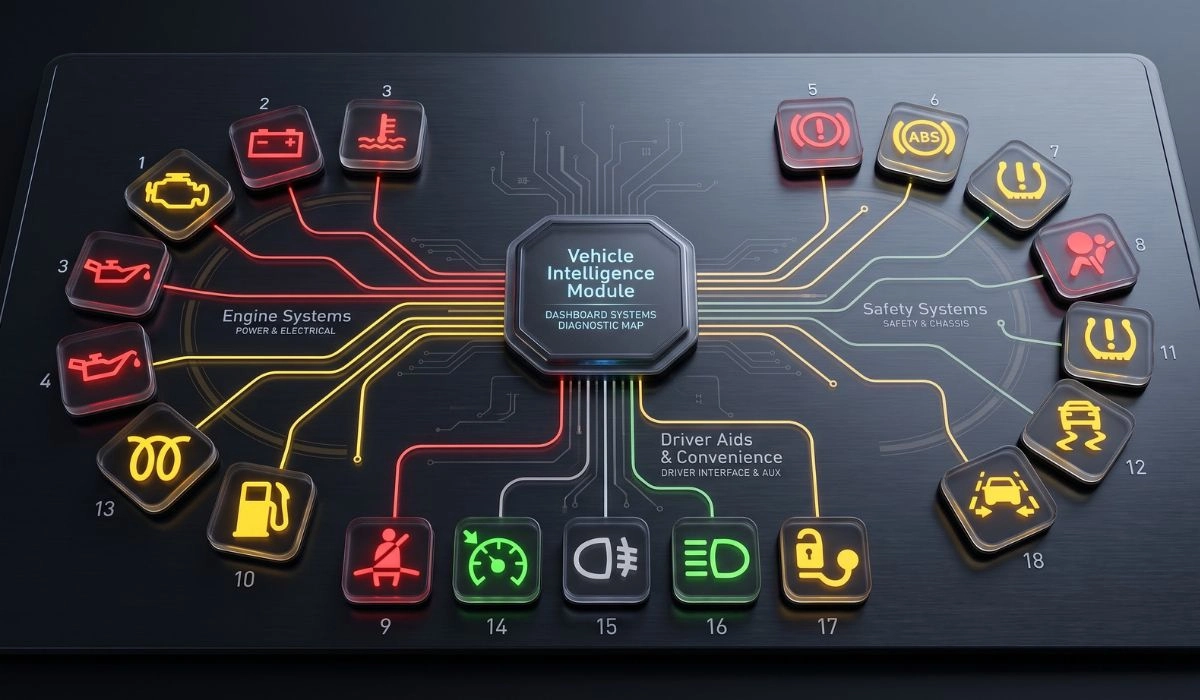
Common warning lights include:
- Check Engine Light
- Battery Warning
- Oil Pressure Warning
- ABS Warning
- Brake Warning
- Coolant Temperature Warning
- Tyre Pressure Monitoring System (TPMS)
Ignoring warning lights can result in expensive repairs and unnecessary breakdowns.
17. Keep Your Car Covered When Possible
Environmental contaminants are among the biggest enemies of automotive paint.
Whenever possible:
- Park in covered parking.
- Avoid parking under trees for long periods.
- Remove bird droppings immediately.
- Clean tree sap before it hardens.
- Wash off mud and road salt promptly.
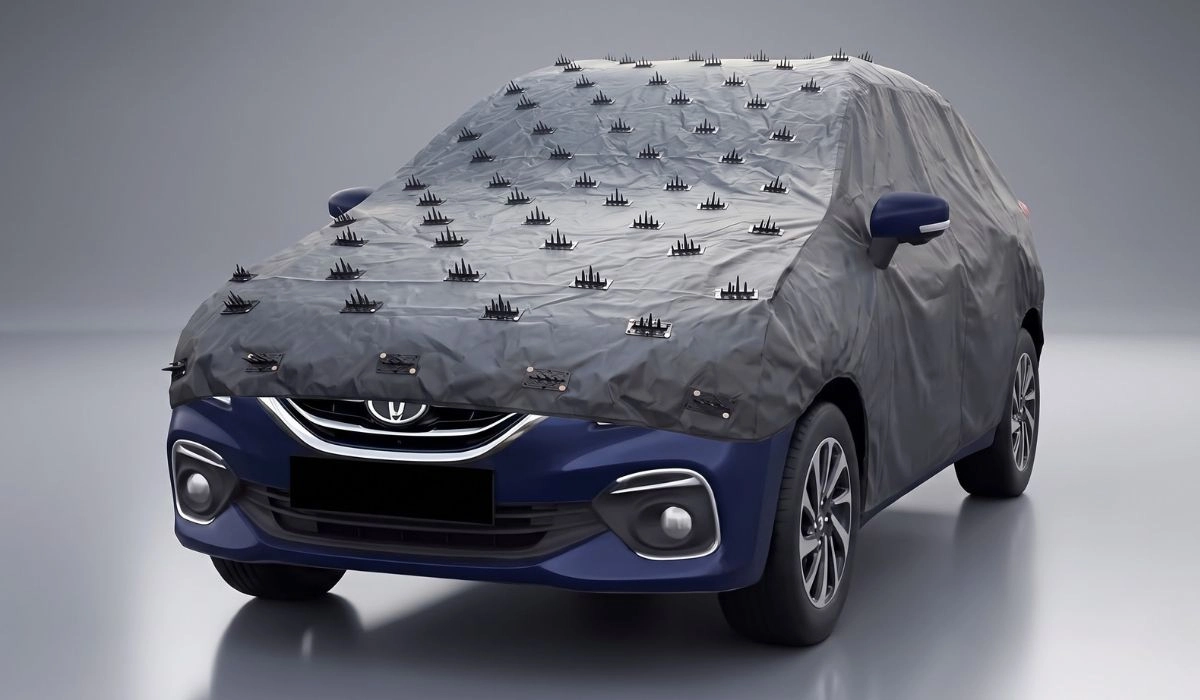
A breathable car cover can also provide additional protection when parking outdoors for extended periods.
Ceramic Coating vs Paint Protection Film (PPF)
Many new car owners wonder whether they should invest in ceramic coating ot paint protection film. The answer depends on their driving habits, budget, and expectations.
| Feature | Ceramic Coating | Paint Protection Film (PPF) |
| Gloss Enhancement | Excellent | Excellent |
| UV Protection | Yes | Yes |
| Hydrophobic Effect | Excellent | Excellent |
| Scratch Resistance | Light scratches only | High protection |
| Stone Chip Protection | No | Yes |
| Self-Healing | No | Available on premium films |
| Durability | 2 to 5 years | 5 to 10 years |
| Best For | Daily maintenance and shine | Maximum paint protection |
Which One Should You Choose?
If your priority is easier cleaning, long-lasting shine, and protection against contaminants, ceramic coating is an excellent option. If you frequently drive on highways or own a premium vehicle, Paint Protection Film provides superior defence against stone chips, scratches, and road debris.
Many vehicle owners also choose a combination of PPF on high-impact areas and ceramic coating on the remaining painted surfaces for comprehensive protection.
Sample New Car Service Timeline
| Time | Recommended Maintenance |
| Delivery Day | Exterior inspection, paint protection planning |
| 1 Month | Tyre pressure, fluid inspection, first wash |
| 3 Month | Battery check, interior detailing |
| 6 Month | Scheduled service, wheel alignment inspection |
| 12 Month | Comprehensive inspection, brake check, detailing |
Following a structured maintenance schedule helps prevent unexpected repairs while preserving your vehicle's appearance and mechanical reliability.
Expert Recommendation:
Mechanical maintenance and cosmetic protection should always go hand in hand. While routine servicing keeps your vehicle reliable, proper cleaning techniques, timely inspections, and early paint protection help preserve the factory finish and reduce ownership costs over the long term. Consistency is far more valuable than occasional intensive maintenance.
18. Seasonal Car Maintenance Tips
Weather conditions have a significant impact on your vehicle. Adjusting your maintenance routine according to the season helps prevent unnecessary wear and keeps your car performing at its best.
Summer Car Maintenance
High temperatures can affect the engine, battery, tyres, and paint
Summer Maintenance Checklist
- Check coolant level regularly.
- Inspect the air conditioning system before peak summer.
- Monitor tyre pressure, as heat increases air pressure.
- Park in shaded areas whenever possible.
- Use a windshield sunshade to reduce cabin heat.
- Wash off dust and bird droppings quickly.
- Apply paint protection to reduce UV damage.
Monsoon Car Maintenance
Rain brings mud, moisture, and poor visibility.
Monsoon Maintenance Checklist
- Inspect wiper blades.
- Keep the windshield clean.
- Check tyre tread depth for better grip.
- Wash the underbody regularly to remove mud.
- Inspect brakes after driving through waterlogged roads.
- Dry floor mats to prevent mould and odours.
Winter Car Maintenance
Although winters in many parts of India are mild, colder mornings can still affect vehicle performance.
Winter Maintenance Checklist
- Check battery health.
- Inspect lights for shorter daylight hours.
- Maintain proper tyre pressure.
- Warm up the engine gently before driving aggressively.
- Keep the windshield washer fluid topped up
19. Common Mistakes New Car Owners Should Avoid
Even experienced drivers sometimes develop habits that reduce a vehicle's lifespan. Avoiding these mistakes can save money and preserve your car's condition.
Skipping Scheduled Services
Routine servicing identifies minor issues before they become expensive repairs. Delaying services may also affect warranty coverage.
Using Household Detergent
Dishwashing liquid and household cleaners remove protective layers from automotive paint. Always use a dedicated pH-neutral car shampoo.
Ignoring Tyre Pressure
Driving with incorrect tyre pressure affects handling, braking, tyre wear, and fuel efficiency.
Delaying Minor Repairs
Small issues such as unusual noises, warning lights, or fluid leaks should never be ignored.
Parking Under Trees for Long Periods
Bird droppings, tree sap, and falling branches can damage your vehicle's paint.
Washing the Car in Direct Sunlight
Hot paint causes water to evaporate quickly, leaving mineral deposits and water spots.
Using Dirty Towels
Old towels and rough cloths can create swirl marks and micro-scratches. Always use clean microfiber towels designed for automotive finishes.
20. Preventive Maintenance Timeline
A simple timeline helps you stay on top of routine care throughout ownership.
| Time Period | Recommended Maintenance |
| Every Week | Check tyres, clean exterior, inspect lights |
| Every Month | Check engine oil, coolant, washer fluid, and battery condition |
| Every 3 Months | Interior deep cleaning, battery inspection, brake inspection |
| Every 6 Months | Scheduled service, wheel alignment check, wheel balancing if required |
| Every 12 Months | Comprehensive inspection, AC service if needed, detailing, paint protection review |
Estimated Annual Maintenance Costs in India
Actual maintenance costs vary depending on the manufacturer, driving conditions, and service centre. The following estimates provide a general idea for routine maintenance.
| Vehicle Type | Estimated Annual Routine Maintenance |
| Hatchback | ₹6,000 to ₹12,000 |
| Sedan | ₹8,000 to ₹18,000 |
| Compact SUV | ₹10,000 to ₹20,000 |
| Premium SUV | ₹20,000 and above |
These estimates do not include accident repairs, tyre replacement, or optional detailing services.
How Does Proper Maintenance Improve Resale Value?
A well-maintained vehicle is more attractive to potential buyers and often commands a higher resale price.
To maximise resale value:
- Follow the recommended service schedule.
- Keep service records and invoices.
- Repair minor damage promptly.
- Maintain both the exterior and interior.
- Protect the paint with wax, ceramic coating, or Paint Protection Film.
- Replace worn wiper blades and damaged floor mats.
- Avoid unnecessary modifications that may reduce buyer interest
A clean, mechanically sound vehicle with a documented maintenance history inspires greater confidence during resale.
Professional Car Detailing vs Regular Car Washing
Many owners assume that regular washing alone is enough to maintain a new vehicle. While washing removes surface dirt, professional detailing provides a much deeper level of care.
Regular Car Washing: Suitable for routine cleaning and removing dust, mud, and light contamination.
Professional Car Detailing: A comprehensive detailing service may include:
- Paint decontamination
- Clay bar treatment
- Machine polishing
- Ceramic coating application
- Paint Protection Film installation
- Interior deep cleaning
- Leather conditioning
- Engine bay cleaning
- Glass treatment
Periodic detailing helps preserve the factory finish, improves appearance, and makes future cleaning easier.
Expert Tips for Long-Term New Car Care
Over the years, we've seen that owners who follow a consistent maintenance routine experience fewer unexpected repairs and maintain better vehicle condition.
Here are a few practical habits that make a real difference:
- Drive smoothly and avoid unnecessary harsh acceleration.
- Inspect tyres before long journeys.
- Clean bird droppings and tree sap as soon as possible.
- Keep a microfiber cloth in the car for quick cleaning.
- Store emergency tools, a tyre inflator, and a first-aid kit in the boot.
- Record every service, repair, and accessory installation.
- Address warning lights promptly instead of postponing inspections.
Good maintenance is built on consistency rather than expensive products.
Conclusion
Maintaining a new car properly is not complicated. It requires consistency, attention to detail, and following the manufacturer's recommended maintenance schedule. Routine servicing, careful driving, regular washing, tyre inspections, fluid checks, and paint protection all contribute to better performance, improved safety, and higher resale value.
Instead of waiting for problems to appear, adopt a preventive maintenance approach from the very beginning. Small habits such as checking tyre pressure, cleaning contaminants quickly, and servicing your vehicle on time can save significant money over the life of the car.
Whether you own a hatchback, sedan, SUV, luxury vehicle, or electric car, these maintenance practices will help keep your vehicle looking newer, performing efficiently, and delivering a more enjoyable ownership experience for years to come.
Frequently Asked Questions
Q1. How should I maintain a brand-new car?
Ans. Follow the manufacturer's service schedule, check tyre pressure regularly, wash the car using proper automotive products, remove contaminants quickly, maintain the interior, and inspect the vehicle regularly.
Q2. How often should I wash my new car?
Ans. Wash the car whenever it becomes dirty or contaminated. Cars driven frequently in dusty, polluted or rainy conditions may need more frequent cleaning.
Q3. Is ceramic coating worth it for a new car?
Ans. Ceramic coating can be useful if you want improved gloss, easier maintenance, and protection against many everyday surface contaminants. It does not provide the same physical impact protection as PPF.
Q4. Is PPF worth it for a new car?
Ans. PPF can be worthwhile for owners who want to protect the original paint from stone chips, road debris, and other physical damage, particularly on vehicles driven frequently on highways.
Q5. How often should I check tyre pressure?
Ans. Check tyre pressure regularly and before long trips. Always use the pressure recommended by the vehicle manufacturer and check it when the tyres are cold.
Q6. Does regular maintenance improve fuel efficiency?
Ans. Yes. Proper tyre pressure, clean filters, fresh engine oil, and timely servicing all contribute to improved fuel economy.
Q7. Can I wash my new car every day?
Ans. Frequent washing is safe when done correctly using proper automotive cleaning products and techniques. However, unnecessary washing with poor methods may introduce swirl marks.
Q8. When should I replace windshield wipers?
Ans. Replace wiper blades whenever they leave streaks, chatter, or show visible cracks.
Q9. Does a new car need detailing?
Ans. Not every new car needs professional detailing, but inspection and proper preparation can be useful before applying PPF, ceramic coating or other paint protection products.
Q10. What is the biggest mistake new car owners make?
Ans. Skipping scheduled maintenance, neglecting tyre pressure, and using improper washing methods are among the most common mistakes.
Q11. Should I get PPF or ceramic coating first?
Ans. If physical paint protection is your main priority, PPF should be considered first. Ceramic coating can then be applied to suitable surfaces, including over compatible PPF, depending on the products and installation process.
Q12. Can I use dishwashing liquid to wash my new car?
Ans. It is better to use a dedicated automotive car shampoo. Household cleaning products are not formulated specifically for automotive paint and finishes.
Q13. How can I protect my car from Indian weather?
Ans. Use covered parking where possible, clean contaminants regularly, maintain the paint correctly, check tyres and fluids, and consider suitable paint and interior protection based on your local conditions.
Q14. How do I maintain a new electric car?
Ans. Follow the manufacturer's charging and service recommendations, monitor tyre pressure and wear, maintain the brakes and other fluids where applicable, keep charging equipment in good condition, and pay attention to battery or software warnings.
 Recent Posts